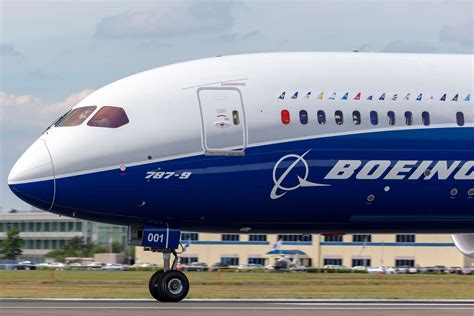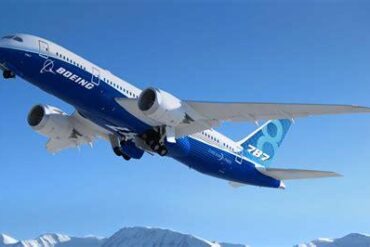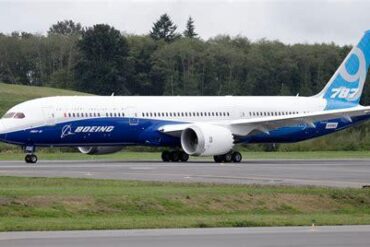
The Boeing 787 Dreamliner, an icon of modern aviation engineering, stands out not only for its revolutionary composite fuselage, advanced aerodynamics, and superior fuel efficiency—but also for a less conspicuous yet pivotal design decision: the inclusion of two different engine types. While most modern wide-body aircraft settle for a single-engine supplier to streamline operations and reduce complexity, the Dreamliner breaks the mold by offering customers a choice between General Electric’s GEnx-1B and Rolls-Royce’s Trent 1000 engines.
This choice isn’t a marketing gimmick. It is a strategic decision rooted in economic forecasting, competitive engineering, and risk mitigation, born during the aircraft’s development in the mid-2000s—a time when airlines were pressuring manufacturers for game-changing efficiency gains in a volatile fuel market.
Boeing’s Engine Strategy: Designed for Global Appeal
From its inception, the Boeing 787 program aimed to redefine long-haul travel, introducing cutting-edge features like composite materials, improved cabin pressurization, and more-electric architecture. Boeing knew that for the 787 to succeed globally, it had to appeal to a wide spectrum of airline business models and regional maintenance philosophies. Offering dual engine choices was central to that vision.
By allowing both GE and Rolls-Royce to design engines for the aircraft, Boeing not only minimized dependency on a single supplier but also fostered a competitive dynamic that drove technological innovation. Airlines, meanwhile, benefited from flexibility in maintenance contracts, operational alignment with existing fleets, and negotiating power on cost.
This wasn’t Boeing’s first time with a dual-engine strategy. The 767 and 777 both allowed for multiple engine suppliers, and the 787 simply elevated that concept to a more technologically advanced stage.
How the GE GEnx-1B and Rolls-Royce Trent 1000 Differ
Although both engines are high-bypass turbofans optimized for fuel efficiency and long-range performance, their engineering philosophies, operational characteristics, and support models differ in key ways.
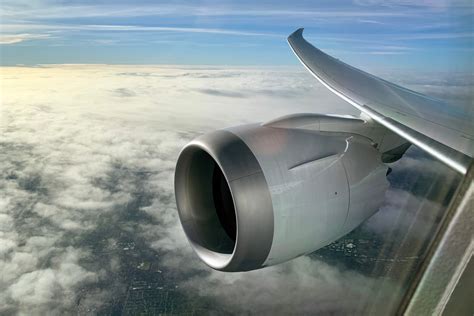
The GE GEnx-1B, derived from the GE90 engine used on the 777, features composite fan blades, a smaller core, and lean combustion technology. Its hallmark is reliability, with 99.98% dispatch performance and industry-leading time on wing, minimizing the need for frequent overhauls.
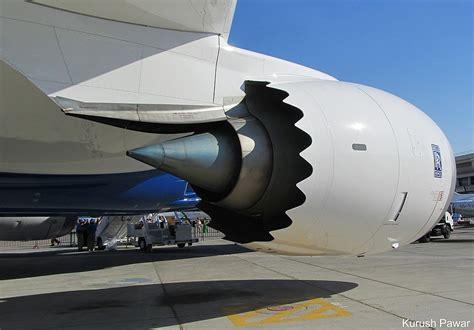
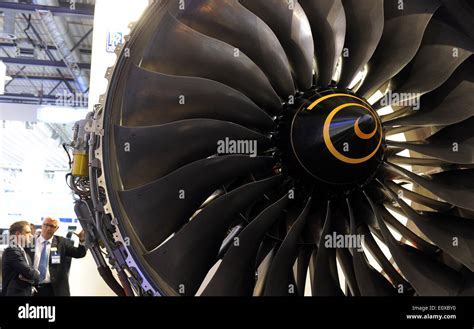
On the other side, the Rolls-Royce Trent 1000 is a three-shaft engine—a signature design for Rolls-Royce—and features an impressive 10:1 bypass ratio, the highest among the Trent family. The newer Trent 1000 TEN and Trent 1000XE variants have improved durability and significantly increased time on wing, addressing earlier durability challenges.
Both engines are optimized to match the Dreamliner’s “more-electric” design, supplying up to 500 kW of electrical power per engine to replace traditional pneumatic systems. Yet the choice between them is not merely technical—it’s deeply commercial.
Commercial Drivers Behind Engine Selection
Airlines make engine decisions with decades-long consequences. A 1% fuel burn difference, when scaled over a fleet flying thousands of hours annually, can result in tens of millions of dollars in operational cost variances. For long-haul aircraft like the Dreamliner, this is not trivial.
GE claims up to 1.4% better fuel efficiency on specific missions, which becomes a major advantage for ultra-long-haul operators. Airlines such as Qantas and United, who value extended time-on-wing and open MRO models, often lean toward GE.
Conversely, legacy Rolls-Royce customers—like ANA, British Airways, and Virgin Atlantic—choose the Trent 1000 to maintain fleet consistency, leverage existing engineering infrastructure, and tap into Rolls-Royce’s TotalCare maintenance model that offers fixed cost predictability.
Maintenance Philosophy and Operational Impact
A defining difference lies in how the two engine makers support their products post-sale.
- GE operates with a flexible MRO (Maintenance, Repair, and Overhaul) approach, allowing third-party and in-house maintenance—ideal for airlines with in-house capability or cost-control priorities.
- Rolls-Royce’s TotalCare program, while predictable in cost, is more rigid. Airlines under TotalCare rely heavily on Rolls-Royce’s network for engine service, which can offer assurance but limit flexibility.
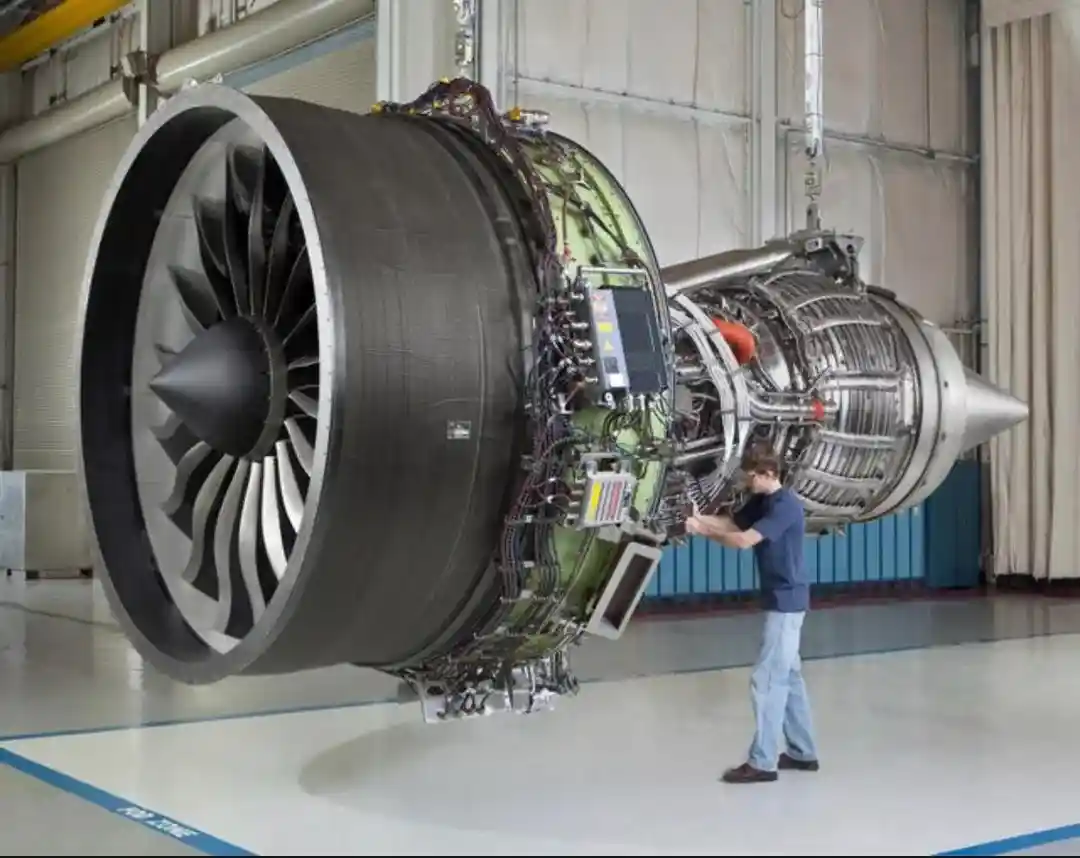
This divergence in support models is critical for airlines operating in regions with limited MRO access or those seeking maximum control over maintenance cycles. As a result, GE has garnered about 67% market share in the Dreamliner engine space, with Rolls-Royce maintaining around 33%.
Engineering Showcases: Pushing Boundaries
Both GE and Rolls-Royce use the 787 as a technology demonstrator, pushing their latest innovations into the real world.
GE’s GEnx has powered the longest experimental Dreamliner flights, including Qantas’ Project Sunrise New York–Sydney trial, lasting over 19 hours. This showcased the GEnx’s thermal resilience, fuel economy, and dispatch reliability on ultra-long-range routes.
Rolls-Royce, meanwhile, emphasizes the Trent 1000’s seamless integration with the 787’s architecture, including its advanced cooling systems and high power generation capacity. The engine’s unique triple-shaft design provides efficiency across different flight phases, particularly climb and cruise.
The race to improve fuel burn, durability, and serviceability continues, with both manufacturers releasing performance upgrade packages. The Trent 1000XE, for example, triples the time on wing compared to early variants, addressing prior criticisms and returning the engine to competitive standing.
Airbus vs Boeing Philosophy: A Study in Contrast
Airbus has taken the opposite approach with the A350, offering only the Rolls-Royce Trent XWB engine. This simplifies certification, support infrastructure, and performance standardization, aligning with Airbus’ ethos of operational consistency.
Boeing, in contrast, sees choice as an advantage, believing that competition breeds innovation and value for customers. This requires Boeing to certify, integrate, and support two complex engine ecosystems—a significant engineering and logistical commitment.
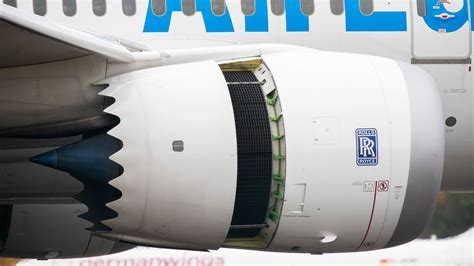
The result is that the 787 remains one of the few wide-body aircraft still offering dual-engine flexibility, a rarity in an industry trending toward standardization.
The Hidden Costs of Dual Engines
While the benefits of engine choice are clear, there are challenges that operators must navigate.
Smaller airlines, or those with limited technical teams, may find the dual-engine world complex. Mixed fleets with both GE and Rolls-Royce engines face higher training requirements, deeper parts inventories, and dual maintenance contracts.
Durability problems with early Trent 1000 variants led to multiple groundings and global scrutiny, tarnishing the reputation of dual-engine support for some operators. Though Rolls-Royce has since corrected many issues, the memory of delays and operational disruptions remains.
Air Tanzania, for instance, had a Dreamliner grounded in Malaysia for months due to a lack of available spare parts—a stark reminder that supply chain resilience is as vital as engine performance.
Strategic Decisions: Once Chosen, Rarely Reversed
Once an airline selects an engine type, switching is rare and expensive. Contracts are often tied to power-by-the-hour models, and the training, tooling, and spares invested in one engine type make it impractical to shift direction.
Yet, some airlines have done so. Norwegian and Air New Zealand, originally Rolls-Royce customers, transitioned to GE following persistent Trent 1000 issues. But these moves were costly, logistically challenging, and undertaken only under extreme operational duress.
The cost-benefit equation of engine selection underscores the need for long-term vision, not just short-term gains. Every element—from fuel contracts to resale value—gets affected by engine choice.
Conclusion: A Competitive Edge Rooted in Flexibility
The decision to equip the Boeing 787 Dreamliner with two different engine types wasn’t just a technical divergence—it was a masterstroke of commercial strategy. By allowing GE and Rolls-Royce to compete head-to-head, Boeing ensured that its flagship wide-body would remain adaptable, innovative, and customer-focused.
GE’s dominance in market share reflects the reliability and flexibility many airlines prefer, while Rolls-Royce’s improvements in the Trent 1000XE signal a resurgent competitive spirit. Together, they keep the 787 technologically fresh, operationally versatile, and economically attractive.
As the aircraft continues to evolve, and newer variants enter service, the engine rivalry will remain a cornerstone of the Dreamliner’s legacy—fueling not just the engines but also the very innovation that defines modern aviation.