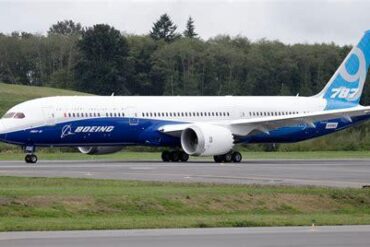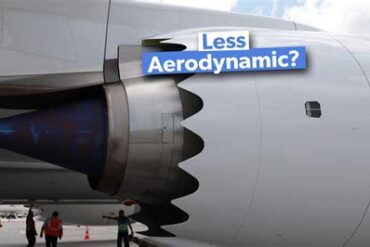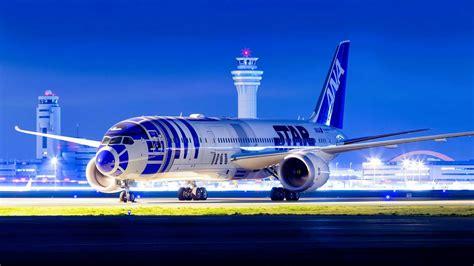
The Boeing 787 Dreamliner is more than just a sleek, long-haul aircraft—it represents a deliberate shift in how modern airliners are designed, marketed, and operated. Among its many defining features, one detail continues to spark curiosity across the aviation world: why does the 787 offer two completely different engine options while some of its competitors rely on just one?
This isn’t a superficial choice or a marketing gimmick. It is a deeply strategic decision rooted in economics, engineering flexibility, and competitive pressure—a decision that influences everything from airline profitability to global route expansion.
To understand the logic behind this dual-engine approach, it’s necessary to go beyond surface-level explanations and examine the technical, commercial, and operational layers that shape one of the most important aircraft programs of the 21st century.
A Design Philosophy Built Around Choice and Competition
When Boeing launched the 787 program in the mid-2000s, the aviation industry was at a turning point. Airlines were demanding dramatically improved fuel efficiency, lower emissions, and aircraft capable of opening long, thin routes that larger jets couldn’t economically sustain.
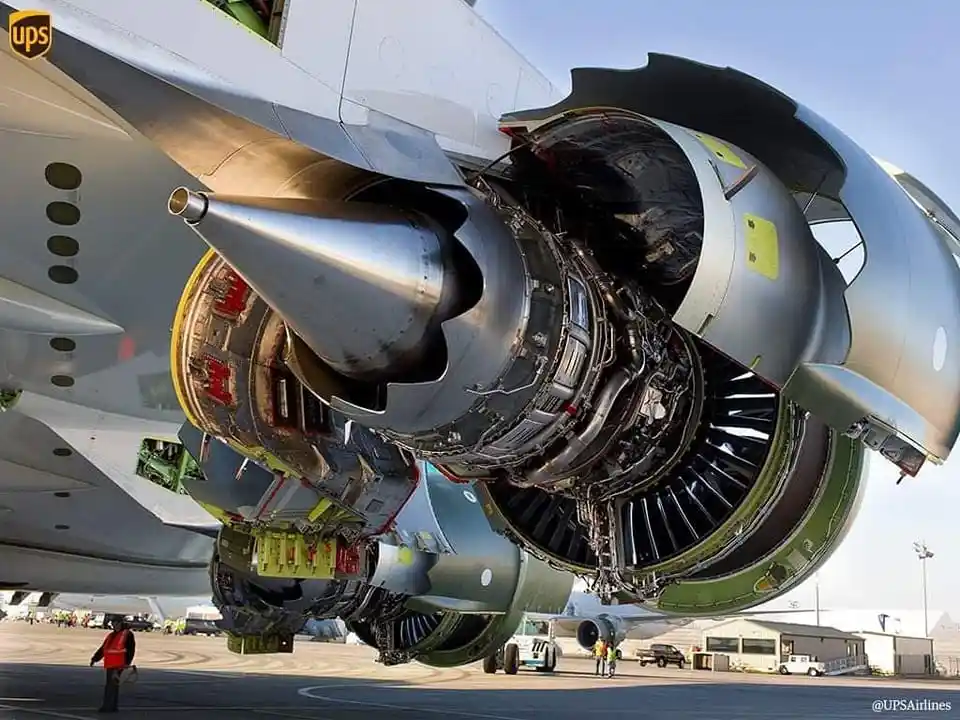
Instead of locking into a single engine supplier, Boeing deliberately structured the Dreamliner to support two competing engine manufacturers: General Electric (GEnx-1B) and Rolls-Royce (Trent 1000). This move was not accidental—it was a calculated strategy to encourage innovation while reducing program risk.
Competition between engine makers forced both companies to push technological boundaries. Each sought to deliver better fuel burn, higher reliability, and longer maintenance intervals than the other. The result? Two of the most advanced high-bypass turbofan engines ever built.
At the same time, Boeing insulated itself from the risks of relying on a single supplier. If one engine program encountered delays or technical setbacks, the other could help maintain delivery schedules and customer confidence.
How Dual Engines Expand Market Appeal
Airlines don’t operate in a vacuum. Their fleets are complex ecosystems shaped by decades of investment, training, and maintenance infrastructure. Offering two engine choices allows Boeing to align the 787 with a wider range of airline strategies.
For example, a carrier already operating GE-powered fleets—such as those using the GE90 or CFM56—can seamlessly integrate the GEnx into its operations. This reduces training costs, simplifies maintenance logistics, and leverages existing supplier relationships.
Meanwhile, airlines with established partnerships with Rolls-Royce often prefer the Trent 1000 to maintain fleet commonality and contractual consistency, especially when using Rolls-Royce’s well-known TotalCare service model.
This flexibility significantly broadens the Dreamliner’s appeal, helping it secure over 1,100 deliveries globally and enabling airlines to launch hundreds of new nonstop routes.
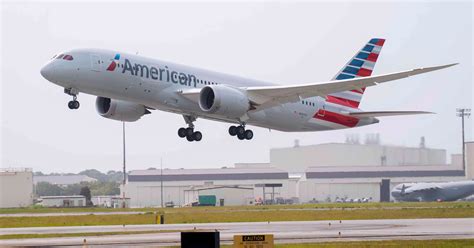
Breaking Down the Technical Differences Between GEnx and Trent 1000
While both engines are designed specifically for the 787, they reflect distinct engineering philosophies. These differences are subtle to passengers but critical for airline operations.
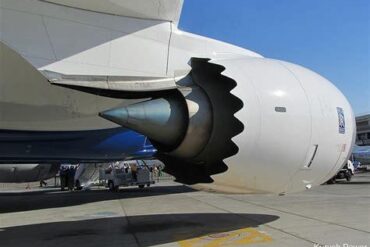
The GEnx-1B, developed by General Electric, emphasizes durability and operational consistency. It features composite fan blades, a hallmark of GE’s design evolution, which reduce weight while maintaining strength. Airlines often highlight its exceptional time-on-wing, meaning it can operate longer between major maintenance events.
On the other hand, the Rolls-Royce Trent 1000 leans into advanced aerodynamics and its signature three-shaft architecture. This design allows for greater efficiency across varying flight conditions, particularly at high altitudes and long-haul cruise phases. The Trent 1000 also boasts a higher bypass ratio, contributing to quieter operation and improved fuel efficiency under specific conditions.
Recent upgrades, especially the Trent 1000XE, have significantly improved durability, addressing earlier concerns and extending maintenance intervals to competitive levels.
Fuel Efficiency: The Billion-Dollar Detail
Fuel is the single largest operating cost for most airlines, which means even small efficiency differences can translate into enormous financial impact.
General Electric has consistently promoted the GEnx as offering slightly better fuel burn—around 1–2% on certain routes. That might sound negligible, but across a fleet of long-haul aircraft flying daily 12–16 hour missions, the savings can reach tens of millions of dollars annually.
Rolls-Royce counters this narrative by emphasizing performance retention over time. While initial efficiency figures may be close, the Trent 1000 is designed to maintain its performance characteristics longer between overhauls, which can offset fuel cost differences in the long run.
In reality, airlines don’t simply pick the “most efficient” engine—they evaluate total lifecycle cost, including fuel, maintenance, downtime, and contractual agreements.
Maintenance Philosophy: Flexibility vs Predictability
One of the most decisive factors in engine selection lies in maintenance strategy.
General Electric offers a more flexible maintenance ecosystem, allowing airlines to choose from multiple maintenance, repair, and overhaul (MRO) providers. This creates competitive pricing and operational independence, which appeals to airlines seeking control over long-term costs.
Rolls-Royce, in contrast, promotes its TotalCare model, a “power-by-the-hour” system where airlines pay a fixed rate for engine usage. This approach delivers cost predictability and reduced financial risk, but often at the expense of flexibility.
For some airlines, predictable budgeting is invaluable. For others, the ability to negotiate and optimize maintenance strategies is more important. The choice reflects not just engineering preference, but corporate philosophy.
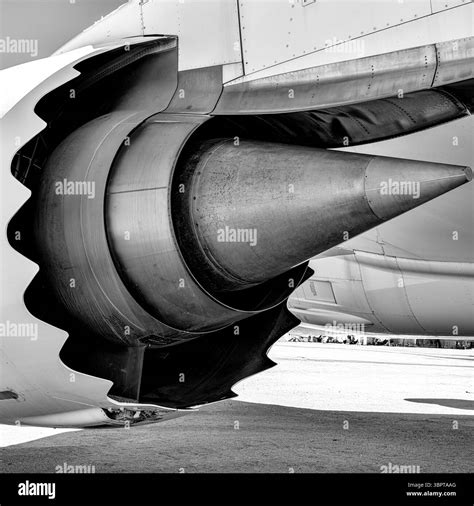
Reliability and Operational Performance in the Real World
Reliability is where theory meets reality. Airlines measure success through dispatch reliability—the ability of an aircraft to depart on time without technical delays.
The GEnx has built a strong reputation with dispatch reliability rates approaching 99.98%, making it one of the most dependable engines in commercial aviation. Its consistent performance has helped it capture roughly two-thirds of the 787 market.
The Trent 1000, however, faced significant challenges earlier in its lifecycle, including durability issues that led to groundings across multiple airlines. These problems required extensive redesigns and upgrades, temporarily affecting Rolls-Royce’s market share.
With the introduction of newer variants like the Trent 1000TEN and XE, Rolls-Royce has made substantial progress in restoring confidence, demonstrating that competition drives continuous improvement.
The Role of Engine Choice in Airline Strategy
Choosing an engine is not a short-term decision. Once an airline commits to a specific engine type, it becomes embedded in its operations for decades.
This decision influences:
- Route planning and aircraft utilization
- Maintenance infrastructure and staffing
- Spare parts inventory and logistics
- Resale value of aircraft
Switching engine types later is extremely rare due to the complexity and cost involved. As a result, airlines conduct extensive technical and financial evaluations before making a selection, often involving competitive bids from both manufacturers.
This is why engine choice is often described as a boardroom decision, not just an engineering one.
Why Boeing Didn’t Follow the Single-Engine Model
In contrast to the 787, aircraft like the Airbus A350 rely on a single engine supplier—the Rolls-Royce Trent XWB. This approach simplifies certification, reduces variability, and streamlines support.
So why didn’t Boeing take the same path?
The answer lies in philosophy and market positioning. Boeing prioritizes customer flexibility and competitive dynamics, believing that offering choice leads to better outcomes for airlines.
However, this approach also introduces complexity. Supporting two engine types means additional certification requirements, engineering resources, and logistical challenges for Boeing itself.
Despite these complications, the dual-engine strategy has proven effective, reinforcing the 787’s position as one of the most versatile widebody aircraft ever built.
The Hidden Downsides of Having Two Engine Options
While choice brings advantages, it also introduces operational challenges, particularly for smaller airlines.
Maintaining a mixed fleet of engines requires:
- Additional training for maintenance crews
- Larger inventories of spare parts
- More complex supply chain management
In cases where spare engines or components are delayed, aircraft can remain grounded for extended periods—an especially costly scenario for airlines with limited fleet sizes.
These risks explain why most airlines avoid mixing engine types within the same 787 fleet. Instead, they standardize on one option to maximize efficiency and minimize complexity.
Innovation Fueled by Rivalry
Perhaps the most compelling outcome of the dual-engine strategy is the intense competition it fosters.
Both GE and Rolls-Royce use the 787 as a platform to showcase their latest innovations:
- Advanced materials and composites
- Improved cooling systems
- Higher bypass ratios
- Enhanced digital monitoring and diagnostics
This rivalry accelerates technological progress, ensuring that both engines continue to evolve even years after entering service.
It’s a rare example of competition directly benefiting not just manufacturers, but also airlines and passengers.
A Long-Term View: Why the Strategy Still Matters
The Boeing 787 is expected to remain in service for decades, and its dual-engine approach ensures that it can adapt to changing market conditions.
As fuel prices fluctuate, environmental regulations tighten, and airline business models evolve, having two engine options provides ongoing flexibility. Manufacturers can introduce upgrades, improve efficiency, and refine maintenance solutions without requiring a completely new aircraft design.
This adaptability is a key reason why the Dreamliner continues to dominate long-haul markets and open previously unviable routes.
Conclusion: The Real Reason Behind Two Engine Types
The Boeing 787 Dreamliner has two engine types because choice creates value. It drives competition, encourages innovation, and allows airlines to tailor their operations to their specific needs.
The GEnx-1B stands out for its durability, reliability, and strong market presence. The Trent 1000, particularly in its latest iterations, offers advanced engineering and competitive lifecycle performance.
Neither engine is universally “better.” Instead, each represents a different balance of efficiency, cost, and operational philosophy.
In the end, the dual-engine model reflects a broader truth about modern aviation: success is not just about building a great aircraft—it’s about creating a platform that adapts, competes, and evolves alongside the industry it serves.