A Costly Departure from the Charter Model
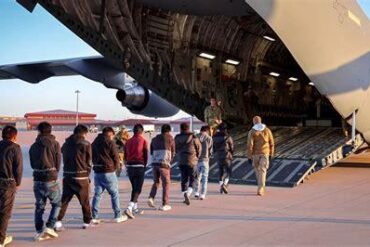
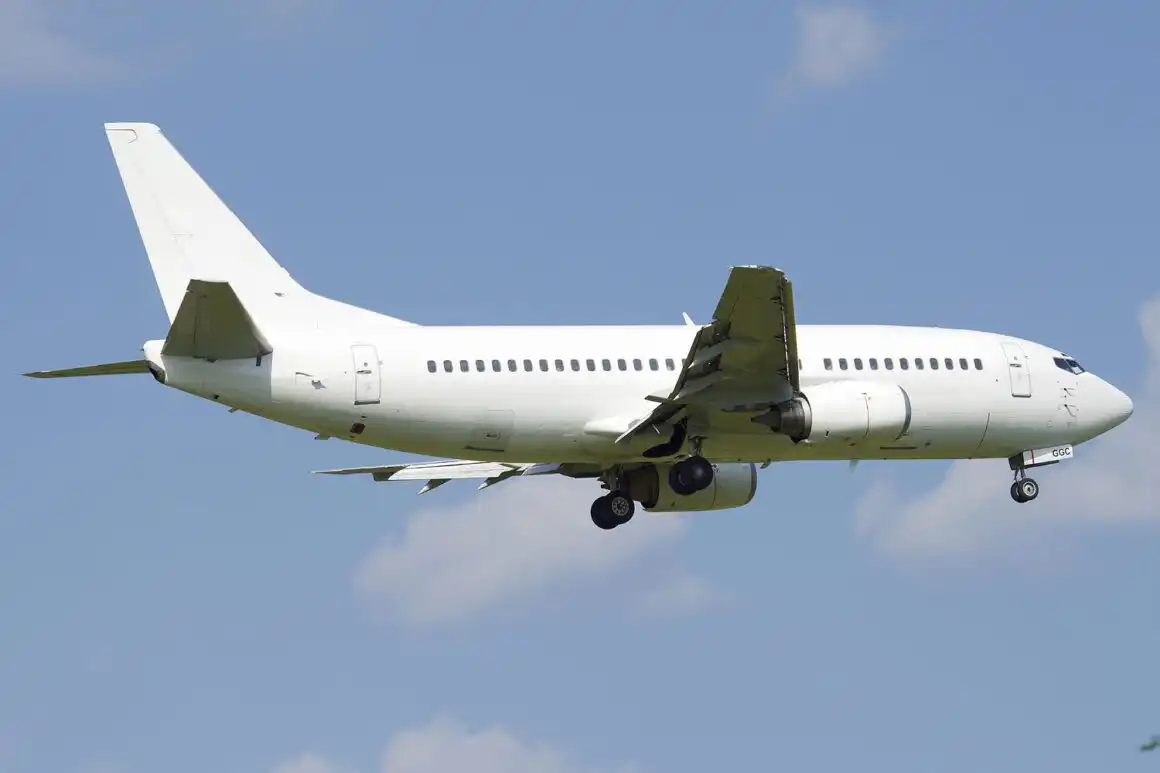
In a sharp departure from its traditional approach, the U.S. Department of Homeland Security (DHS) has embarked on a bold, controversial, and expensive venture: transitioning the Immigration and Customs Enforcement (ICE) deportation apparatus from a flexible charter model to a dedicated private fleet of Boeing 737 aircraft. Backed by a $140 million contract with Daedalus Aviation, the move aims to increase operational efficiency while promising significant long-term savings. But as industry experts dissect the implications, concerns are rising about the sustainability, practicality, and hidden costs of owning and operating a government air fleet.
The Daedalus Deal: Strategic Investment or Political Symbol?
The DHS contract with Daedalus Aviation, reportedly worth nearly $140 million, will supply six Boeing 737 aircraft dedicated to ICE deportation missions. This marks a major pivot from the long-standing model of relying on chartered commercial aircraft. Advocates of the change argue that this move will yield up to $279 million in taxpayer savings, largely due to more efficient routing and reduced charter dependency. The acquisition is deeply intertwined with the Trump-era surge in immigration enforcement funding and the administration’s high-profile deportation goals, including the ambitious promise to remove one million individuals within the first year of office.
ICE’s new fleet is envisioned to support both international deportations and the vast domestic transfer network that shuttles detainees across the U.S. However, skeptics argue that this shift represents less a cost-saving measure and more a politically symbolic commitment to hardline immigration policies. With many details of the Daedalus contract still undisclosed, the decision is shrouded in secrecy and controversy.
Hidden Costs of Aircraft Ownership
Transitioning to a private fleet is not merely a capital investment—it drags DHS into the costly, logistically complex realm of aviation operations. Purchasing aircraft is the simplest part of the equation; maintaining a viable, efficient air operation requires a full-service airline-like infrastructure. This includes:
- Certified flight crews and ongoing pilot training
- Flight dispatch and flight-following systems
- Maintenance control programs
- Hangar space and parts provisioning
- Insurance, regulatory compliance, and FAA audits
Moreover, operational costs extend into the mundane but critical: fueling contracts, crew accommodations, aircraft deicing protocols, and systems for managing Minimum Equipment Lists (MELs). For an agency like ICE—whose missions can shift dramatically due to court rulings, international diplomatic clearances, or detention center pressures—maintaining predictable fleet utilization becomes a logistical nightmare. Underutilized aircraft, particularly in a fleet as small as six, quickly become financial dead weight.
The Economics of Utilization: A Tenuous Balancing Act
The fundamental economic gamble lies in utilization rates. Deportation flights are inherently volatile in demand and often reactive in scheduling. If these aircraft are not consistently in the air, fixed costs—from crew salaries to insurance premiums—will be spread across fewer block hours, pushing per-mission costs beyond the efficiency levels of charters. ICE will not only bear the financial burden of downtime but will also need to manage reserves for expensive heavy maintenance checks that come due based on calendar time, not flight hours.
Even if DHS outsources operations to vendors, the agency is still responsible for maintaining a robust airline-style infrastructure while layering on mission-specific complexities—including onboard custody protocols, detainee security procedures, and ground support coordination unique to deportation logistics. These additional operational layers erode the perceived savings touted by the program’s advocates.
Charter Flexibility: A Proven Model for a Fluid Mission
The legacy charter model—though fragmented—has proven effective in meeting the dynamic demands of ICE operations. Political, legal, and humanitarian variables often force rapid changes in deportation missions. Charter flights offer critical flexibility: aircraft types can be swapped quickly, capacity scaled up or down, and costs contained during periods of low activity.

The government’s reliance on charter services has long allowed DHS to avoid carrying the financial risks associated with aircraft ownership. This model minimizes idle assets and allows for the ad hoc scaling of operations in response to unpredictable changes in immigration enforcement policy. In contrast, a dedicated fleet locks ICE into a fixed operating footprint, which may not align with political or operational realities over time.
Strategic Signals: Preparing for a Long-Term Mission?
Beyond economics, the procurement of a dedicated fleet sends a powerful strategic signal. It suggests that DHS and ICE are preparing for sustained, high-volume deportation efforts—a logistical posture more akin to military airlift operations than ad hoc law enforcement. This infrastructure build-up indicates that the government envisions deportation not as a reactive measure, but as a core, institutionalized function of federal operations for the foreseeable future.
Yet this long-term orientation is precisely what alarms civil rights organizations and immigration advocates. The scale and permanence implied by owning a fleet of 737s suggest that mass deportations are no longer exceptional missions, but rather a routinized part of U.S. governance. The optics of such a move, particularly when immigration policy remains deeply polarizing, are politically volatile.
A Feasibility Test with National Implications
The DHS is effectively running a real-time feasibility study: can a government agency operate a mini airline with efficiency and cost-effectiveness superior to the charter model? If successful, this model could be expanded. If not, it risks becoming a textbook example of bureaucratic overreach and poor strategic foresight.
The stakes are not just fiscal. Operational failures could jeopardize ICE’s ability to meet deportation targets, embarrass DHS leadership, and provoke scrutiny from watchdog organizations and congressional oversight bodies. Every maintenance delay, scheduling glitch, or compliance failure becomes a potential flashpoint.
Conclusion: High Altitude, High Risk
ICE’s foray into aircraft ownership represents one of the most audacious logistical shifts in recent agency history. At a time when immigration policy is highly charged, the move to establish a dedicated Boeing 737 fleet carries profound operational, financial, and symbolic implications. While the promise of cost savings is appealing, the hidden complexities of aviation logistics, coupled with the uncertain trajectory of immigration policy, make this a precarious experiment.
Unless ICE can achieve consistent, high utilization while maintaining strict compliance and cost control, this $140 million gamble may prove less a model of efficiency and more a cautionary tale in the perils of government overreach into specialized, capital-intensive domains.