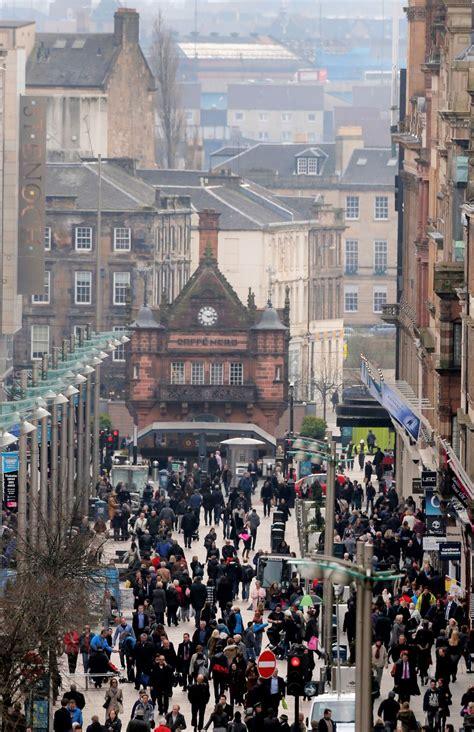
In a strategic move aimed at revitalizing its tourism sector and enhancing the overall visitor experience, Glasgow is set to introduce a hotel tourist tax in January 2027, pending approval by the city council. This initiative, part of a broader trend among several Scottish cities to implement visitor levies, aims to generate additional funds for local development, cultural promotion, and environmental sustainability. The proposed hotel tax is designed as a modest charge, with an average fee of £4.83 per night for tourists staying in accommodations within the city. This tax will be set at five percent of accommodation charges, which is projected to generate between £15.9 million and £16.1 million annually. These funds are earmarked for key areas of the city, including infrastructure improvements, sustainability initiatives, cultural events, and destination marketing efforts. The overarching goal is to create a more attractive and vibrant Glasgow, drawing in more visitors while benefiting local businesses and communities.
Why Glasgow Needs a Visitor Levy
Glasgow stands as one of Scotland’s most significant urban centers, boasting a thriving tourism industry that contributes millions to the local economy each year. However, like many cities worldwide, Glasgow’s tourism sector has faced significant challenges, particularly in the wake of the COVID-19 pandemic, which led to a decline in both international visitors and domestic travel. Within this context, the visitor levy represents an innovative approach to ensure that Glasgow’s tourism industry not only recovers but thrives in the years to come. The funds generated from the tax will provide vital resources to improve the city’s infrastructure, promote its rich cultural heritage, and cultivate a welcoming atmosphere for tourists. Moreover, by investing in destination marketing, Glasgow hopes to amplify its visibility on the international stage, attracting a broader range of visitors from across the globe.
What the Hotel Tax Will Fund
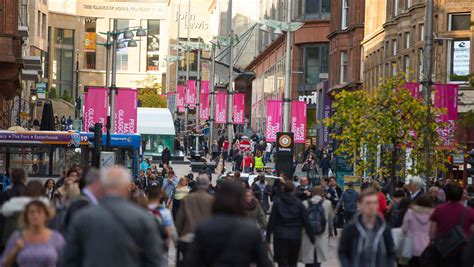
The primary objective of the visitor levy is to reinvest the generated funds into various initiatives aimed at enhancing the quality of life for residents and improving the tourist experience. The funds raised through the hotel tax will be allocated to several critical areas:
City Infrastructure
A significant portion of the funds will be directed towards enhancing the city’s infrastructure. This includes improvements to transportation networks, public spaces, and facilities that benefit both locals and visitors. Potential upgrades could involve enhancements to public transportation systems, creating more pedestrian-friendly areas, and improving the overall aesthetics of the city. By investing in infrastructure, Glasgow aims to make the city more accessible and enjoyable for tourists, thereby encouraging longer stays and repeat visits.
Environmental Sustainability
Glasgow is deeply committed to sustainability, and the visitor levy will play a crucial role in efforts aimed at reducing the city’s carbon footprint. Investments will be made in green initiatives such as improving waste management systems, increasing green spaces, and supporting eco-friendly tourism practices. By fostering a greener environment, Glasgow hopes to attract environmentally conscious travelers who prioritize sustainability in their travel choices.
Culture and Events
Known for its vibrant cultural scene, Glasgow has long been a hub for festivals, galleries, and events. The visitor levy will help fund cultural initiatives, including arts programming, live events, and performances that not only attract tourists but also enrich the local cultural landscape. These events contribute significantly to the city’s cultural fabric and support local businesses, from restaurants to retail shops, creating a thriving ecosystem that benefits everyone involved.
Destination Marketing
To ensure Glasgow continues to grow as a premier tourist destination, funds will also be allocated to marketing and promotional efforts. This encompasses campaigns designed to attract international visitors, promote Glasgow’s unique attractions, and highlight the city’s offerings in terms of history, culture, and entertainment. By enhancing its marketing strategies, Glasgow seeks to position itself prominently in the minds of potential travelers, ultimately increasing footfall and economic activity.
The introduction of the hotel tax is seen as a crucial step toward achieving these ambitious aims, providing the city with a sustainable source of funding that supports its long-term development.
Financial Breakdown and Administrative Costs
The hotel tax is projected to generate substantial revenue, with estimates indicating that the levy will bring in between £15.9 million and £16.1 million annually. However, managing this new system requires careful administrative oversight. To facilitate this, Glasgow City Council plans to allocate between £750,000 and £950,000 annually to cover the costs associated with running the scheme. Initial setup costs are expected to hover around £400,000, which will encompass the necessary infrastructure to implement and monitor the levy effectively.
To streamline the collection process, hotel operators will be permitted to retain 1.5 percent of the total amount collected, compensating them for any costs incurred in administering the tax. This small percentage is designed to minimize the burden on hotel operators while ensuring that the tax is efficiently collected and allocated.
Public Consultation and Responses
Before finalizing the visitor levy, Glasgow City Council conducted a public consultation to gauge community sentiment regarding the proposed tax. The consultation garnered 1,312 responses from the public, businesses, and stakeholders within the tourism sector. The feedback revealed mixed reactions, with 54 percent of respondents supporting the idea of applying the levy across the entire Glasgow area, while 41 percent opposed it. Additionally, 52 percent agreed that the tax should apply to the full length of visitors’ stays, whereas 41 percent expressed disagreement with this aspect of the proposal. While the consultation results were not unanimous, they provided valuable insights into public opinion, which will inform the decision-making process by the city council. The feedback will be presented to local politicians at the city administration committee, where councillors will decide whether to approve the scheme. The final decision is anticipated during the committee meeting on Thursday, with the potential for implementation as early as January 2027.
Challenges and Controversies Surrounding the Visitor Levy
Despite the growing support for the hotel tax, the proposal has not been without controversy. Opponents argue that the additional cost could deter budget-conscious tourists from visiting the city. Concerns have been raised that the levy might increase the overall cost of a trip to Glasgow, potentially driving visitors to other cities that do not impose such taxes. Furthermore, there are voices advocating for the funds generated by the tax to be used more directly to bolster the hospitality and tourism industries, rather than being spread across various citywide initiatives.
While many support the idea of investing in infrastructure and promoting sustainability, some feel that the hospitality sector, which directly benefits from tourism, should receive a more significant portion of the revenue. Additionally, concerns exist that the tax could pose a barrier for some international tourists, particularly those hailing from countries with weaker currencies, as the tax might feel disproportionately burdensome, possibly steering them away from Glasgow in favor of other European destinations.
The Future of Glasgow’s Tourism Industry
Despite the controversies surrounding the proposed hotel tax, the overall outlook for Glasgow’s tourism industry remains bright. The city’s rich cultural heritage, vibrant arts scene, and burgeoning reputation as a top destination for international visitors position it as a prime location for tourism growth. With the funds generated from the visitor levy, Glasgow can continue to enhance its infrastructure, promote sustainable practices, and deliver world-class cultural experiences that attract travelers from around the globe.
Moreover, the city’s increasing connectivity through direct flight routes and its status as a key hub for business and cultural events further solidify Glasgow’s standing as a top destination in the UK. As the tourism landscape evolves in the post-pandemic era, Glasgow’s tourism sector is well-positioned to capitalize on the rising demand for short breaks, cultural experiences, and eco-friendly travel.
A Step Toward a Sustainable Future for Glasgow’s Tourism
The proposed visitor levy represents a significant stride in Glasgow’s efforts to ensure the long-term sustainability and growth of its tourism industry. By investing in infrastructure, cultural events, and environmental sustainability, the city aims to elevate the experience for both locals and visitors alike. While the levy has ignited debate, it also underscores Glasgow’s commitment to enhancing its appeal as a premier European destination. As the city administration committee prepares to make its final decision on the tax, Glasgow is positioning itself as a forward-thinking metropolis willing to invest in its future. Regardless of the outcome, the ongoing discourse surrounding tourism taxation in Glasgow will likely set the stage for similar discussions across other cities in the UK and beyond.