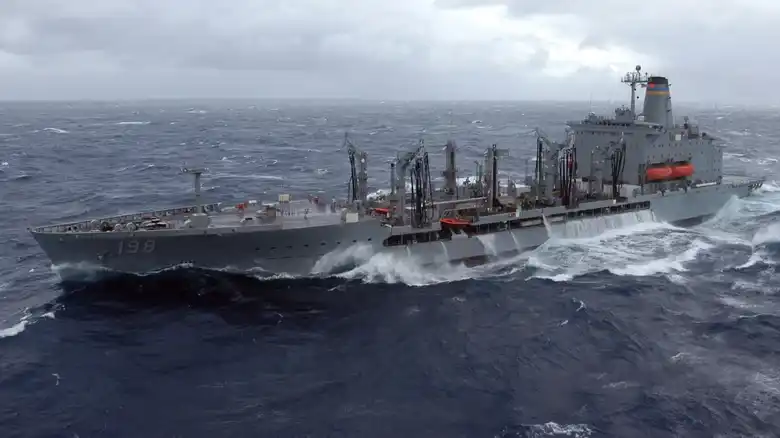
The grounding of the USNS Big Horn (T-AO-198) was not a story of mechanical failure or hostile action—it was a stark demonstration of how human decision-making under pressure can unravel even the most mission-critical naval operations. In September 2024, as part of the Abraham Lincoln Carrier Strike Group, the 677-foot oiler was executing a routine yet vital role: sustaining combat-ready vessels across the demanding waters of the Arabian Sea.
Operating under the U.S. 5th Fleet, the ship was the sole replenishment asset in the region—a fact that amplified the consequences of what followed. When it ran aground near the coast of Oman at speeds approaching 18 knots, the incident didn’t just halt one vessel—it exposed a systemic fragility in U.S. naval logistics.
The aftermath was costly but survivable. Structural damage to the hull, propulsion systems, and internal engineering compartments resulted in flooding and required extensive repairs. Yet the true damage extended beyond the $20 million recovery bill—it cut directly into operational readiness at a time when fleet sustainment was already stretched thin.
A Preventable Crisis Born from a Calculated Shortcut
The incident unfolded during a return transit to Duqm port. The ship’s navigator had prepared two routes: a longer, safer path through deeper waters, and a shorter, riskier course threading through shallow shoals. The difference was a mere 10 miles—a negligible distance in naval operations, yet one that became the focal point of a catastrophic decision.
Despite clear reservations from the navigator, the commanding officer chose the shorter route, aiming to expedite arrival. This decision reflected a dangerous mindset—prioritizing speed over safety in a high-risk maritime environment. The phrase “shoot the gap” would later define the moment where judgment faltered.
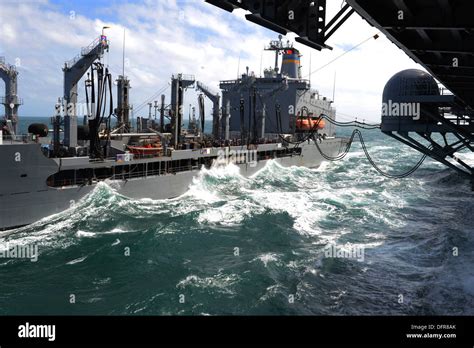
Critically, the investigation revealed that essential navigational procedures were skipped. No formal navigation brief was conducted. Paper charts—still a crucial redundancy in modern navigation—were not reviewed. Alarm systems, designed to provide auditory warnings, were silenced, leaving only visual alerts that went unacknowledged.
Even more striking was the atmosphere on the bridge. Music was reportedly playing up until the moment of grounding—a detail that underscores a breakdown in operational discipline at the worst possible time. In an environment where seconds and meters matter, complacency replaced vigilance.
Damage Assessment: Millions Lost and Readiness Compromised
The physical toll on the vessel was immediate and severe. The hull breach led to flooding in a critical engineering space, while the port propeller and rudder sustained significant damage. These are not superficial issues—they strike at the core of a ship’s mobility and survivability.
Financially, the Navy absorbed:
- $7.5 million for towing operations
- $8.6 million for structural and mechanical repairs
- $1.9 million to offload fuel cargo
- $2.4 million in additional recovery costs
While these figures quantify the damage, the broader strategic impact is harder to measure. With only a limited number of oilers available, the temporary loss of the Big Horn meant reduced replenishment capacity for an entire strike group, directly affecting mission endurance.
The Strategic Weakness: Too Few Oilers, Too Few Crews
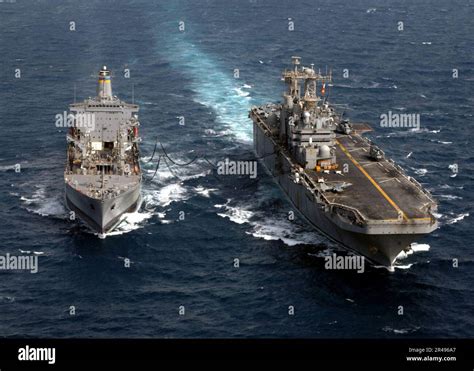
The Military Sealift Command operates a finite fleet of replenishment oilers, many of which are aging. The Big Horn is part of the Kaiser-class—15 ships in total, several of them single-hulled and approaching retirement.
This shortage is not theoretical. At the time of the incident, Big Horn was the only oiler supporting operations in the Arabian Sea, a reality that left no margin for error. When it went offline, the logistical backbone of the strike group was effectively weakened.
Compounding the issue is a shortage of qualified civilian mariners. These vessels are not crewed by traditional Navy personnel but by specialized crews whose expertise is both rare and indispensable. The grounding incident highlighted how personnel gaps and operational strain can converge into mission-critical failures.
Lessons from the Bridge: Leadership, Discipline, and Risk Management
The Navy’s investigation concluded unequivocally: the grounding was entirely preventable. It cited “a series of poor decisions” and failures in both leadership and procedural compliance. Disciplinary actions were recommended for the captain and key officers, underscoring the seriousness of the lapse.
Yet beyond accountability, the incident offers a broader lesson. Modern naval operations rely on advanced technology, but technology cannot compensate for flawed judgment. Navigation systems, alarms, and protocols are only as effective as the people who use them.
The Big Horn grounding serves as a case study in how small decisions—cutting a corner, ignoring a warning, skipping a checklist—can cascade into strategic consequences. In high-stakes environments, there is no such thing as a minor shortcut.
A Warning Signal for Future Naval Operations
As older oilers are phased out—partly due to environmental concerns rooted in disasters like the Exxon Valdez oil spill—the Navy faces mounting pressure to modernize its logistics fleet. But hardware alone is not enough.
The grounding of the USNS Big Horn is a warning signal. It highlights the urgent need for robust training, disciplined leadership, and sufficient logistical capacity. Without these, even the most powerful navy risks being undermined not by adversaries, but by its own vulnerabilities.
In the unforgiving domain of naval warfare, efficiency must never come at the expense of safety—because the cost of a shortcut is rarely just measured in miles.