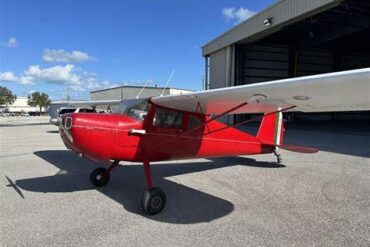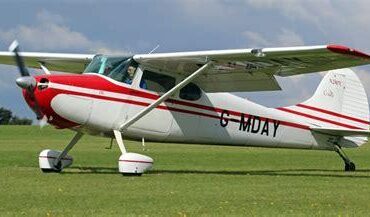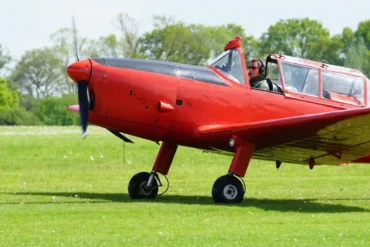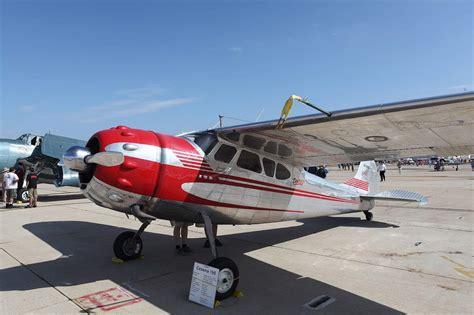
Cessna 120 stands as a remarkable example of postwar aviation craftsmanship—light, agile, and imbued with character. Produced between 1946 and 1949, this two-seat, tailwheel-equipped monoplane quickly captured the hearts of private pilots looking for an affordable, efficient, and responsive aircraft. Today, it enjoys a cult-like following among classic aircraft enthusiasts, bolstered by a strong owners’ community and a track record that blends flying nostalgia with real-world capability.
The legacy of the Cessna 120 is often overshadowed by its more commercial siblings, the Cessna 150 and 152, yet it deserves recognition as a foundational aircraft in general aviation’s golden era. With 2,172 Model 120s built—compared to over 29,000 150/152s—the 120 was a pioneer in its own right, offering thousands of pilots their first taste of flight.
The Cessna 120’s enduring appeal lies in its simplicity, mechanical honesty, and vibrant handling characteristics. Unlike later tricycle-gear models, the 120 features tailwheel landing gear, demanding more from pilots but rewarding them with skill development and finesse. In this article, we explore its performance, handling, restoration legacy, and the unique airframe G-BTBW, a standout in air racing circuits.
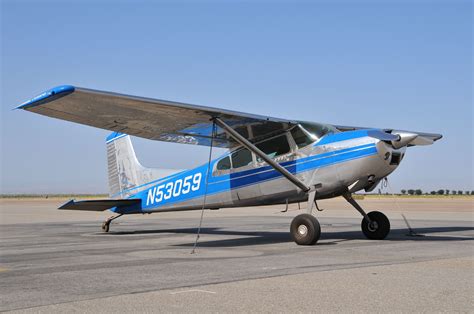
The Classic Design of the Cessna 120
When Cessna introduced the 120, it marked a strategic return to civilian aircraft production following World War II. Sharing a virtually identical airframe with the slightly more sophisticated Cessna 140, the 120 stripped away flaps and rear side windows, resulting in a lighter and arguably purer flying machine.
The fuselage structure, built around a welded steel-tube framework covered with aluminum skin, remains simple but sturdy. Its high-wing configuration ensures excellent downward visibility and stability in slow flight regimes, especially during cross-country operations or short-field work. The absence of complex systems means less maintenance and greater long-term reliability, making it a favorite among grassroots aviators.
G-BTBW: A Living Icon
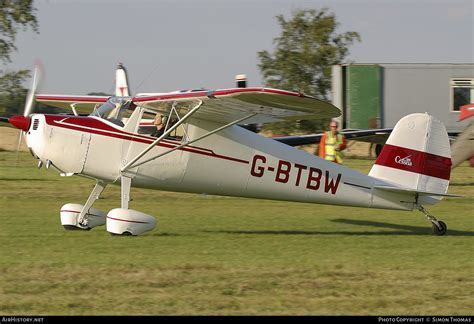
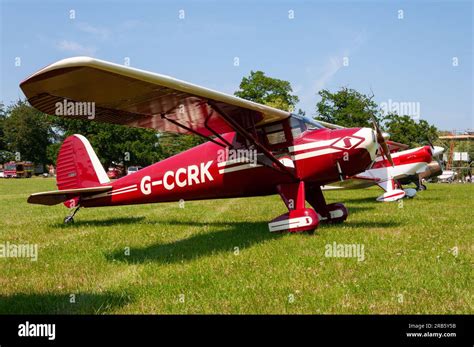
One of the most meticulously preserved examples of the Cessna 120 is G-BTBW, a 1947 model owned and flown by Mel Willies. This aircraft has not only withstood the test of time but has triumphed in UK air racing circles, making headlines with its performance.
Originally delivered to the United States, G-BTBW passed through several discerning female owners before making its way across the Atlantic. After arriving in the UK, it underwent two major rebuilds in 2006 and 2007, emerging with a completely restored airframe and only 3,105 total hours. Its polished performance is attributed not only to structural restoration but to thoughtful aerodynamic improvements including a custom spinner, streamlined exhausts, and hand-crafted interior.
Flight Characteristics and Handling
A flight in the Cessna 120 is a study in balance, control harmony, and situational awareness. At Sywell Aerodrome, Mel and his co-pilot Bob Willies expertly demonstrated the nuances of this classic aircraft. Startup routines highlight the simplicity of the powerplant—checking oil pressure, ensuring engine temperature stabilizes, and conducting S-turns during taxi to counteract the limited forward visibility from the tailwheel stance.
Takeoff is smooth but deliberate. Applying power incrementally avoids directional instability, while rudder sensitivity becomes immediately apparent. With a ground roll that rarely exceeds 500 feet, the 120 lifts off with eager intent. Best climb speed is typically 72 mph, with climb rates varying between 650 and 1,000 feet per minute, depending on weight and atmospheric conditions.
In cruise, the Cessna 120 settles comfortably at 95–105 mph, sipping fuel at an impressively economical rate. Visibility, low wing loading, and minimal systems noise make for a serene cockpit experience—ideal for pleasure flying or honing VFR navigation skills.
The Joy of Low-Speed Flight
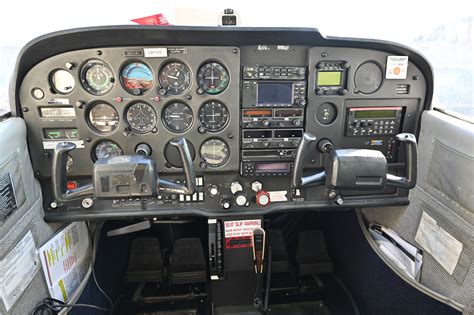
What distinguishes the Cessna 120 from many of its contemporaries is its forgiving yet honest behavior at low airspeeds. Stall tests conducted over the Northamptonshire countryside showed a gradual, predictable buffet followed by a smooth nose drop. Recovery is instant with a modest forward nudge on the stick.
Such behavior makes the 120 an ideal tailwheel trainer, reinforcing proper landing technique, approach attitude, and energy management. The absence of flaps challenges the pilot to manage airspeed carefully throughout the final approach.
Landing on Sywell’s new concrete runway, and later on grass, confirmed the aircraft’s adaptability. With proper carburettor heat application and speed control, touchdowns were gentle, and rollout was short. The aircraft’s responsive elevator and rudder authority allowed for precise control during the flare and rollout, even in crosswind conditions.
Air Racing Pedigree
While many 120s live quiet lives in hangars or grass strips, G-BTBW carved out a reputation in British air racing. Mel Willies, an accomplished pilot with a deep affection for vintage aircraft, piloted this machine to victory in several competitions.
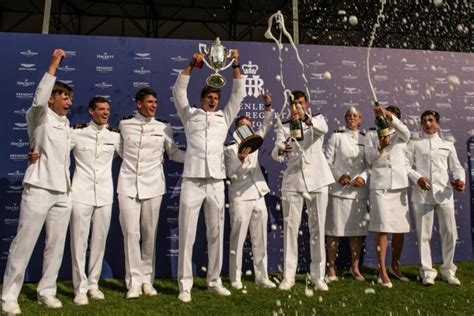
Among his notable achievements are winning the Grosvenor Trophy and the prestigious King’s Cup Air Race—the latter attracting royal attention. The letter of congratulations from Queen Elizabeth II, along with a trophy presented by Prince Andrew, stand as testament to both the pilot’s and the aircraft’s capabilities.
These feats are not mere historical anecdotes. They underscore how a nearly 80-year-old design can still dominate competitive circuits when coupled with precise maintenance, skilled piloting, and a passion for aviation history.
Restorations and Modifications
Maintaining a vintage aircraft is an art, and G-BTBW exemplifies this ethos. Every detail—from the hand-stitched interior to aerodynamic refinements—was restored with care and technical foresight. Modified engine cowlings allow quick oil checks, while modern avionics blend subtly with legacy gauges, preserving authenticity without sacrificing utility.
The aircraft benefits from subtle drag-reduction features, including reshaped exhaust stubs and a smoothed spinner nose, both enhancing cruise performance. These enhancements help maintain performance at higher altitudes and increase range without disrupting the aircraft’s original aesthetics.
Comparing the Cessna 120 to Its Successors
To understand the Cessna 120’s unique position, one must compare it to the Cessna 150 and 152, which largely replaced it. The 150 introduced tricycle landing gear, which simplified ground handling but compromised the tailwheel proficiency once considered essential.
Despite the advantages of the newer models—easier landings, more forgiving ground loops—the 150/152 series lacks the responsive control harmony and minimalist spirit of the 120. Modern flight schools may favor the newer designs, but experienced pilots often return to the 120 for its stick-and-rudder purity.
Another comparison often made is with the Luscombe Silvaire, a similarly aged taildragger. While the Luscombe is faster and arguably more slippery aerodynamically, it can be less forgiving, particularly in ground handling. The Cessna 120’s docile low-speed manners and metal wing design provide a more manageable platform for pilots refining their tailwheel technique.
Market Value and Ownership Community
Today, the market value for a well-maintained Cessna 120 ranges from $20,000 to $40,000 USD, depending on restoration quality and equipment. Aircraft like G-BTBW, with full provenance and racing history, command premium prices but deliver extraordinary value in return.
The Cessna 120/140 Association, an active international community, provides technical resources, parts support, and restoration advice. Ownership often extends beyond flying—it becomes a stewardship of aviation heritage.
Conclusion: The Timeless Allure of Simplicity
The Cessna 120 remains a masterpiece of accessible aviation. Light on systems but rich in character, it trains pilots not just to fly, but to understand flight. Its combination of elegant handling, robust design, and enduring popularity makes it a symbol of postwar American ingenuity.
Whether in casual weekend flying, competitive racing, or hangar restorations, the Cessna 120 proves that brilliance in aviation doesn’t always require complexity—sometimes, simplicity is the truest sophistication.
Frequently Asked Questions
What is the difference between the Cessna 120 and 140?
The Cessna 140 includes additional features like wing flaps, rear side windows, and more electrical equipment. The Cessna 120 is lighter, simpler, and lacks these enhancements, making it slightly more agile in flight.
Is the Cessna 120 good for training tailwheel pilots?
Yes. The Cessna 120 is often regarded as an ideal tailwheel trainer due to its forgiving stall characteristics, responsive controls, and basic flight systems that reinforce stick-and-rudder discipline.
How much does a Cessna 120 cost today?
Depending on condition and provenance, a Cessna 120 typically costs between $20,000 and $40,000 USD. Aircraft with racing history or extensive restorations may exceed this range.