
The recent trend among U.S. airlines indicates a significant shift towards expanding flight routes to Mexico, particularly from major hubs such as Chicago, Dallas, and Houston. This strategic pivot comes in response to escalating costs in Florida, which has traditionally been a favored destination for American travelers. With hotel prices soaring and overall expenses rising, travelers are increasingly seeking affordable alternatives, and Mexico is emerging as a prime option. As the winter holiday season approaches, airlines are not just adding routes; they are also ramping up seasonal services and targeting previously underserved markets.
As Florida’s allure begins to wane due to its high costs, many Americans are turning their gaze southward. Mexico, with its proximity, diverse attractions, and relatively low-cost travel options, is becoming a highly attractive choice. The upcoming winter months promise to be crucial for airlines as they adapt to changing consumer preferences. In particular, growing bookings have prompted airlines to take decisive action to enhance their offerings.
One of the most notable new routes is a direct connection between Tepic, located in the western part of Mexico, and Houston, Texas. Scheduled to launch in December, this route opens up new opportunities for travelers looking to explore the state of Nayarit, known for its rich culture and beautiful beaches. Utilizing regional jets, this new service adds diversity to the existing list of destinations served from the U.S., demonstrating the airlines’ commitment to expanding their Mexican footprint.

In addition to the Tepic route, there are exciting developments regarding flights from Chicago and Dallas. From late October, daily service will commence between Mexico City and Chicago. Furthermore, a seasonal route will be introduced between Querétaro and Chicago in mid-December, perfectly timed to coincide with the holiday rush. These new services are set to bolster coverage significantly, with three daily flights to Cancun, two daily flights to San José del Cabo, and two daily flights to Puerto Vallarta during peak travel periods. Altogether, these new offerings represent a 15-weekly departure increase from Chicago to Mexico, boasting a 65% rise in seat capacity compared to the previous year.
Dallas is not lagging behind either. A new year-round route connecting Dallas to Puerto Escondido will also launch in early December, further extending the airline’s reach into Mexico. With these additions, the carrier will now serve a total of 30 cities in Mexico, more than any other U.S.-based airline, marking a significant achievement in its expansion strategy.
Another major U.S. airline is also increasing its Mexican service, albeit at a more measured pace. This carrier plans to add 26 weekly flights throughout December, although the total number of available seats will see only a slight increase of less than 1% compared to previous months. Among the newly introduced and resumed services are routes from Chicago to Cozumel, Houston to Puerto Escondido, and Denver to Mexico City. Additionally, the airline is enhancing its daily frequencies from Houston to several key Mexican cities, including León, Guadalajara, Tampico, and Monterrey. New connections are also being established from Newark and Los Angeles to popular destinations like Puerto Vallarta and San José del Cabo.
In response to the anticipated winter surge, Alaska Airlines is also making significant adjustments to its schedule. The airline plans to add 18 weekly flights to various Mexican destinations during December. Highlights include daily flights to and from Albuquerque, NM, as well as increased frequencies on popular routes between San Diego and Puerto Vallarta and San José del Cabo. However, the airline is also taking a cautious approach by cutting service on unprofitable routes, including the San Francisco-Mazatlán and Fresno-Guadalajara connections.
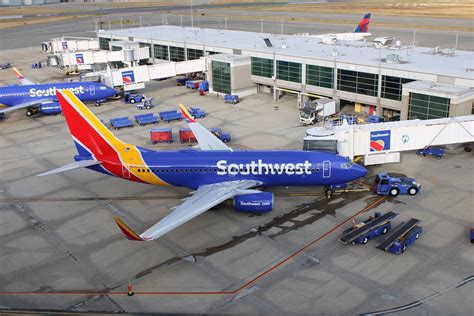
Southwest Airlines is adopting a balanced strategy, opting to enhance flight frequency on select routes while discontinuing others. Increased frequencies will be seen between Nashville and Cancun, Sacramento and San José del Cabo, and San Diego and San José del Cabo. However, the airline will eliminate four routes connecting major cities like San Antonio, Chicago, Oakland, and Austin to Mexico, and will also reduce service from Cancun to Philadelphia. In a similar vein, JetBlue has announced cuts to its Cancun flights originating from Boston, New York, and San Juan, while only slightly boosting service from Fort Lauderdale.
Sun Country Airlines is taking a more drastic approach, entirely removing its route between Minneapolis and Ixtapa-Zihuatanejo. Meanwhile, a major carrier is implementing the largest reductions, cutting 31 December flights to Mexico. Notably, the route between Mexico City and Los Angeles will not resume until spring 2026, a decision that reflects broader trends aimed at streamlining operations in areas with less consistent demand.
As the airline industry navigates an uncertain economic landscape, it is clear that Mexico remains a top priority for many carriers. The country offers American visitors a compelling mix of affordability and accessibility, particularly appealing during the winter months when travelers seek warm getaways. While some airlines are aggressively expanding their routes and increasing seat availability, others are making calculated adjustments based on profitability. This divergence in strategy highlights the complex dynamics at play within the airline industry as it seeks to redefine its international profiles.
With the winter holiday season approaching, the competition among U.S. airlines to attract travelers to Mexico is expected to intensify. As travelers seek out cost-effective alternatives to traditional domestic hotspots like Florida, the potential for growth in air travel between the U.S. and Mexico is substantial. Airlines are poised to capitalize on this trend, ensuring that they offer a robust selection of routes and destinations to meet the evolving preferences of American travelers. The interplay of economic factors, consumer demand, and strategic planning will undoubtedly shape the future of air travel between the two countries, making it an exciting time for both airlines and travelers alike.