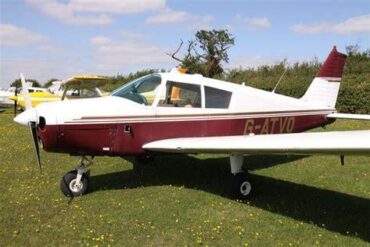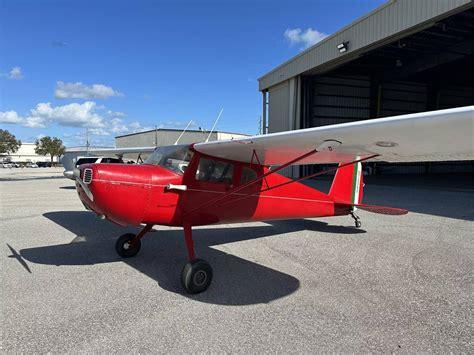
The Cessna 140 is more than a postwar light aircraft—it is a resilient symbol of post-WWII aviation, pilot training, and general aviation accessibility. Introduced in 1946 by the Cessna Aircraft Company, the 140 represented a pivotal shift in private aviation. Alongside its variants—the Cessna 120 and Cessna 140A—this aircraft helped democratize flight with its affordable design, forgiving flight characteristics, and robust engineering. Although its production ended in 1951, the Cessna 140’s legacy continues to this day in the hands of collectors, pilots, and flight schools across the world.
The Post-War Design Philosophy
The Cessna 140 emerged from a unique point in aviation history. After World War II, thousands of trained pilots returned to civilian life, seeking affordable ways to keep flying. Aircraft manufacturers like Cessna responded with compact, economical two-seaters aimed at this growing market. The result was a family of tailwheel-equipped light aircraft that quickly gained favor among private pilots.
The Cessna 140 was introduced first in 1946, followed shortly by the stripped-down Cessna 120, and later in 1949, the upgraded Cessna 140A. Together, these models sold over 7,600 units in just five years, a remarkable achievement given the competitive light aircraft market at the time.
Construction and Design Elements
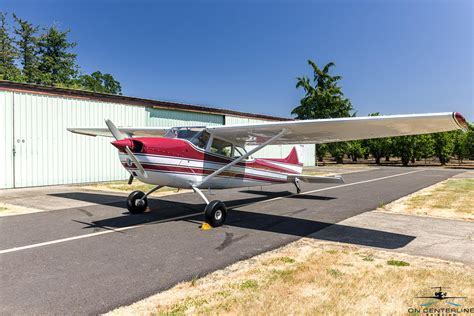
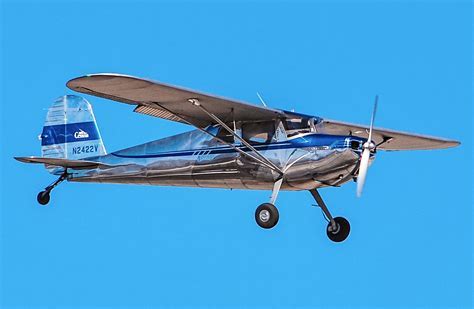
At its core, the Cessna 140 featured a metal fuselage with fabric-covered wings, reinforced by metal control surfaces. The aircraft was powered by a Continental C-85-12 or C-85-12F, offering 85 horsepower, with later options including the Continental C-90 series (90 hp) or the Lycoming O-235-C1 (108 hp). This variety in powerplant choices gave pilots options for performance improvements while keeping operating costs manageable.
The tailwheel configuration gave the aircraft its “taildragger” moniker, a style that required precise ground handling but offered excellent off-runway capabilities—ideal for rural America’s grass strips and dirt runways.
By late 1947, Cessna introduced a key improvement to the landing gear system: a spring-steel gear leg that was swept forward by three inches. This change significantly reduced the aircraft’s tendency to nose over under heavy braking—an issue early tailwheel aircraft were notorious for.
Cessna 120: The Budget-Friendly Sibling
While structurally similar to the 140, the Cessna 120 was a more affordable option that excluded certain amenities. It lacked wing flaps, the signature rear-cabin “D” side windows, and even a standard electrical system—features that were either optional or added later by owners.
Despite its minimalism, many Cessna 120s were retrofitted over the years, making it difficult today to distinguish them from the fully-equipped 140 models. In fact, many 120s now sport flaps, windows, and electrical upgrades, often only missing the internal structural fittings that differentiate a factory 140.
The 140A: Engineering Evolution
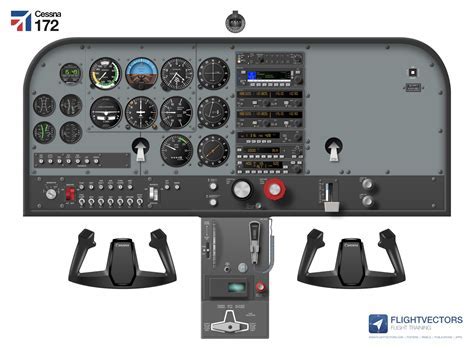
The final iteration, the Cessna 140A, arrived in 1949 with major airframe enhancements. Its wings were constructed with aluminum skin rather than fabric, and used a single wing strut configuration rather than the “V” struts and jury struts on previous models. These updates improved structural integrity and slightly reduced drag.
The 140A came standard with the 90 hp Continental C-90-12F or C-90-14F, though some buyers still opted for the more modest 85 hp variants. All 140A units included the forward-swept gear, enhancing braking confidence. However, despite its innovations, the 140A failed to capture the same popularity, accounting for only 7% of the total 120/140 series production.
Flight Characteristics and Performance
The Cessna 140 was praised for its forgiving flight dynamics, making it ideal for beginner pilots. With a stall speed of just 45 mph, it could be landed gently and safely even in short-field operations. The cruise speed hovered around 105 mph, while the maximum speed capped at 125 mph—respectable for a light aircraft of its era.
Its range of 450 miles and 15,500 ft service ceiling enabled both local recreational flying and modest cross-country trips. The 680 ft/min climb rate gave adequate vertical performance, particularly with the 90 hp engine variants.
Popular Modifications and Upgrades
Today, many owners of Cessna 120 and 140 aircraft have embraced modern upgrades to improve safety and utility. Some of the most common modifications include:
-
Metalized wings: Replacing fabric with aluminum sheeting reduces maintenance and boosts durability.
-
Landing gear extenders: These minimize the nose-over risk during hard braking.
-
Retrofitting electrical systems: Adds support for starters, radios, transponders, and night flying lights.
-
Rear “D” side windows: Added for improved rearward visibility.
-
Engine swaps: The Continental O-200 (100 hp) is a popular upgrade, while the Lycoming O-320 is possible but less common due to its weight and increased fuel consumption.
Such enhancements make vintage 140-series aircraft more practical for modern flight conditions while maintaining their nostalgic appeal.
Legacy in Aviation Culture
Beyond specifications and flight capabilities, the Cessna 140 holds a special place in general aviation history. It was a bridge between the wartime pilot and the civilian dreamer. For many aviators, it was their first airplane, their first solo, or their first ownership experience. Organizations like the International Cessna 120/140 Association help keep these aircraft flying and ensure their stories are preserved.
Additionally, the Cessna 140 laid the groundwork for the highly successful Cessna 150 series introduced in 1959. The 150 shifted to tricycle gear and became one of the most widely used trainers in the world. However, many pilots still prefer the taildragger discipline of the 140, citing its superior stick-and-rudder training and backcountry capabilities.
Military Use and International Reach
Though primarily civilian aircraft, the Cessna 140 was adopted in small numbers by military organizations, including the Guatemalan Air Force and the Nicaraguan Air Force. These military examples were typically used in liaison roles, pilot training, and light utility transport, testifying to the aircraft’s reliability and low operating costs.
Specifications: Cessna 140 (1946 Model)
-
Crew: 1
-
Capacity: 1 passenger
-
Length: 21 ft 6 in (6.55 m)
-
Wingspan: 33 ft 4 in (10.16 m)
-
Height: 6 ft 3 in (1.91 m)
-
Wing Area: 159.3 sq ft (14.80 m²)
-
Empty Weight: 890 lb (404 kg)
-
Gross Weight: 1,450 lb (658 kg)
-
Fuel Capacity: 25 US gal (95 L), with 21 gal (79.5 L) usable
-
Engine: Continental C-85, 85 hp (63 kW)
-
Propeller: 2-blade Sensenich
Performance Metrics:
-
Maximum Speed: 125 mph (201 km/h)
-
Cruise Speed: 105 mph (169 km/h)
-
Stall Speed (Flaps Down): 45 mph (72 km/h)
-
Never Exceed Speed: 140 mph (230 km/h)
-
Range: 450 mi (720 km)
-
Service Ceiling: 15,500 ft (4,700 m)
-
Rate of Climb: 680 ft/min (3.5 m/s)
-
Wing Loading: 9.1 lb/sq ft (44 kg/m²)
Cessna 140 in the Collector’s Market
Today, the Cessna 140 is a highly sought-after vintage aircraft among aviation enthusiasts. It is especially prized for its affordable operating costs, classic lines, and excellent training value. Well-maintained examples regularly appear at fly-ins, airshows, and in vintage aircraft circles.
Due to their light weight and low stall speeds, these aircraft are ideal for short-field landings, making them practical for backcountry strips or grass runways. Insurance and maintenance costs remain accessible, especially when compared to newer aircraft.
Conclusion
The Cessna 140 is a testament to the ingenuity and resilience of post-war aviation. With its combination of rugged design, adaptable performance, and pilot-friendly handling, it carved out a permanent niche in aviation history. Whether on the pages of a flight logbook from the 1950s or gliding gently into a modern fly-in, the Cessna 140’s legacy is alive and well.
FAQs
Is the Cessna 140 a good plane for beginners?
Yes. The Cessna 140’s stable flight characteristics and simple systems make it an excellent training aircraft. However, its tailwheel configuration requires dedicated ground-handling skills, which many instructors argue improves a pilot’s airmanship.
How does the Cessna 140 compare to the Cessna 150?
The 140 has conventional landing gear (tailwheel), while the 150 introduced tricycle gear for easier handling. The 150 also has a more modern feel, but many pilots prefer the 140 for its vintage charm and lower empty weight, making it more responsive in flight.
What’s the average price for a used Cessna 140 today?
As of recent market trends, a well-maintained Cessna 140 typically ranges from $20,000 to $35,000, depending on condition, engine hours, and modifications. Restored examples with modern avionics may fetch higher prices in the collector community.