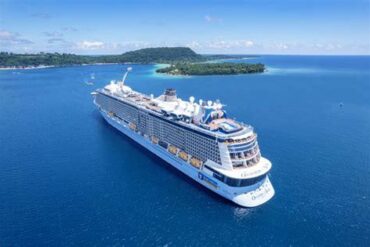
On a recent voyage aboard the Navigator of the Seas, a Royal Caribbean cruise ship, a significant gastrointestinal outbreak impacted the health and safety of passengers and crew alike. From July 4 to July 11, 2025, this week-long cruise from Los Angeles to Mexico faced an alarming situation as a total of 134 passengers and 7 crew members reported symptoms including vomiting and diarrhea. This incident, highlighted by the U.S. Centers for Disease Control and Prevention (CDC), marks a troubling trend in public health aboard cruise lines, raising questions about safety protocols and the measures needed to mitigate such outbreaks.
The Navigator of the Seas, which can accommodate approximately 3,914 passengers and 1,266 crew members, found itself at the center of a medical emergency. The cruise ship’s close quarters make it particularly susceptible to the spread of illnesses, especially gastrointestinal diseases like norovirus, known for its highly contagious nature. While the CDC is still working to determine the specific cause of this outbreak, its rapid spread among passengers and crew underscores the urgent need for stringent health measures.

In response to the outbreak, Royal Caribbean swiftly initiated comprehensive cleaning and disinfection procedures aboard the ship. Passengers and crew members exhibiting symptoms were isolated immediately, with the cruise line emphasizing their commitment to maintaining the highest levels of health and safety standards. A spokesperson for Royal Caribbean stated, “To maintain an environment that supports the highest levels of health and safety onboard our ships, we implement rigorous cleaning procedures, many of which far exceed public health guidelines.” This proactive approach aims to reduce the risk of further transmission, allowing the remaining passengers to feel as secure and comfortable as possible during their cruise.
Despite these efforts, the reality is that outbreaks of gastrointestinal illnesses are not uncommon in the cruise industry. Close quarters facilitate quick transmission of viruses, particularly norovirus, which is often the culprit behind such outbreaks. The CDC, which monitors these incidents closely, reported that the 2025 outbreak on the Navigator of the Seas is part of a broader trend, with 18 gastrointestinal illness outbreaks documented across various cruise ships this year alone. The threshold for significant outbreaks, as defined by the CDC, is when 3% or more of passengers or crew report symptoms of gastrointestinal illness. With the Navigator of the Seas surpassing this threshold, it prompted immediate investigation and intervention from health authorities.
Norovirus is notorious for causing inflammation in the stomach and intestines, leading to distressing symptoms such as vomiting, diarrhea, and stomach cramps. The virus is typically transmitted through contaminated food, water, surfaces, or direct contact with infected individuals. On cruise ships, where people frequently interact, the potential for rapid spread becomes significantly heightened. The CDC’s ongoing surveillance of these outbreaks emphasizes the critical importance of implementing effective preventative measures and rapid responses to protect public health.
As the investigation into the outbreak continues, the incident aboard the Navigator of the Seas serves as a stark reminder of the inherent challenges cruise lines face in maintaining health and safety onboard. With thousands of individuals on a single vessel, the risk of viral transmission is always present, necessitating rigorous cleaning protocols and immediate isolation of symptomatic individuals. The CDC is dedicated to monitoring these outbreaks and ensuring that cruise lines take the necessary precautions to safeguard passenger health.
In light of the outbreak, Royal Caribbean has committed to enhancing its health and safety measures to prevent future occurrences. This includes reinforcing sanitization processes, providing comprehensive training for crew members on infection control, and educating passengers on best hygiene practices to minimize the risk of illness. For travelers planning upcoming cruises, experts recommend taking essential precautions, such as regularly washing hands, avoiding potentially contaminated food or water, and remaining vigilant about personal hygiene. Passengers who experience symptoms of gastrointestinal illness during their cruise should promptly report them to medical staff to facilitate appropriate actions aimed at curbing the spread of infection.
The ongoing analysis of this outbreak highlights a pressing need for improved health measures in the travel industry. While the swift response from Royal Caribbean and the CDC illustrates a commitment to managing public health, it also brings to light the necessity for better controls over health standards on cruise ships. For those considering a cruise for their next vacation, staying informed about potential health risks and taking proactive measures can ensure a safe and enjoyable experience.
The incident, while concerning, also demonstrates the resilience of the cruise industry in addressing health threats. With heightened vigilance and enhanced health protocols, the sector strives to continue offering safe and enjoyable voyages to travelers worldwide. As for those affected by the outbreak, there is hope for a swift recovery, serving as a poignant reminder of the importance of health management while traveling, especially in confined environments such as cruise ships. The commitment to improving health and safety standards is vital, not only for the well-being of passengers but also for the continued success of the cruise industry as a whole.