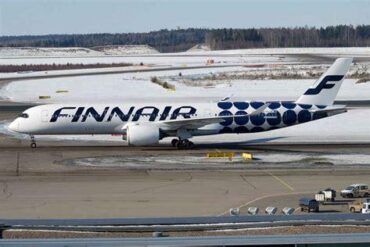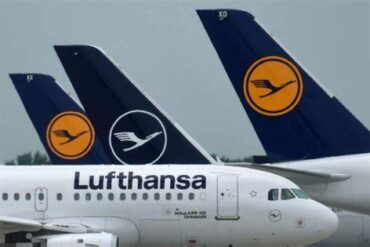
The ongoing aviation strikes in Finland have created unprecedented chaos for airline passengers, with the country now grappling with its tenth walkout in just 45 days. The Finnish Aviation Union (IAU) has planned further strikes in June, and with disruptions already having a significant impact on travelers, the travel industry braces for more turbulence. On June 17 and 19 alone, as many as 11,520 passengers were affected due to up to 64 flight cancellations. This recurring strike action has raised serious concerns about Finland’s reputation as a reliable travel destination.
Disruptions Affecting Major Airlines and Routes
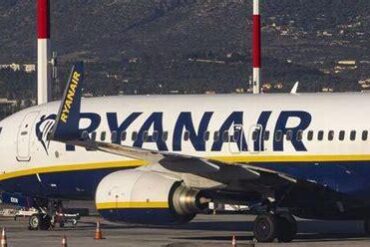
Passengers flying to Finland on these dates faced significant disruptions, with major airlines such as Finnair, British Airways, Ryanair, Norwegian, KLM, easyJet, Lufthansa, and Air Baltic all heavily impacted. Notably, direct flights from key UK cities—London, Manchester, and Edinburgh—to Helsinki were among the hardest hit. The key routes affected included:
- London to Helsinki (14 direct flights)
- Manchester to Helsinki (8 direct flights)
- Edinburgh to Helsinki (6 direct flights)
Other routes with one or two stops included flights from Birmingham, Bristol, Belfast, Nottingham, Southampton, and Leeds to Helsinki, with layovers in Amsterdam, Stockholm, Copenhagen, and Latvia. These disruptions are affecting both leisure and business travelers, causing frustration and potentially derailing holiday plans for thousands of passengers.
Economic Toll on the Aviation Sector
Each strike day is expected to cost Finnair and Finavia (the operator of Helsinki Airport) between €10 million to €20 million (£8.5 million to £17 million) in lost revenue. These financial losses stem not only from flight cancellations but also from broader economic impacts on the tourism and hospitality sectors, which are essential components of Finland’s economy. According to AirAdvisor, an air passenger rights company, the aviation industry in Finland could face total losses ranging from €100 million to €150 million by the end of summer 2025, especially as travelers increasingly look for alternative routes and destinations to avoid the ongoing disruptions.
The ongoing strikes have already led to a 7-12 percent drop in UK bookings to Finland for the summer season. Passengers are opting for nearby destinations such as Sweden, Norway, or Estonia, seeking more stable and reliable alternatives for their travel plans. This shift in booking trends not only affects airlines but also has a cascading impact on hotels, restaurants, and local attractions as tourism flows divert away from Finland.
Erosion of Trust Among Travelers
The repetitive nature of the strikes has led to growing frustration and disillusionment among UK travelers. According to Anton Radchenko, an aviation expert and founder of AirAdvisor, UK travelers no longer need to be warned about strikes in Finland—they expect them. This shift signifies a serious reputational crisis for Finland as a travel destination. As Radchenko notes, “These aren’t isolated events anymore; they’re stacking disruptions. Passengers are missing connections, losing confidence, and taking their business elsewhere.” The erosion of trust in Finland’s ability to provide reliable travel experiences is a significant issue, with travelers increasingly making alternative plans, rerouting their journeys through Stockholm or Frankfurt instead of Helsinki, and shifting their business away from Finnish airlines and airports. This behavior could become structural, leading to lasting effects on Finland’s tourism industry.
Underlying Causes of the Strikes: Pay Disagreements
The strikes have been fueled by disagreements over pay and working conditions between the IAU and PALTA (The Service Sector Employers’ Association of Finland). The IAU represents workers involved in ground handling, baggage services, catering, maintenance, and customer service. The union is dissatisfied with the 6.4 percent wage increase that Finnair Group employees received from 2020 to 2023, especially when juxtaposed with the 10.4 percent average increase in wages across all sectors in Finland. This ongoing labor dispute has led to repeated walkouts, with the union’s demands for higher wages and better working conditions driving the action. For passengers, this continuous industrial action has resulted in considerable disruptions, with Finnair and other airlines facing mounting pressure to reach an agreement with their employees to prevent further cancellations.
Finnair’s Response and Future Outlook
In response to the disruptions, Finnair expressed deep regret over the inconvenience caused to its customers. A spokesperson for Finnair mentioned in early June that they were “deeply sorry” for the interruptions to travel plans and acknowledged the frustration caused by the repeated strikes. However, despite their apologies, the airline’s efforts to resolve the issue have seen limited success as the dispute remains unresolved. With the summer months approaching, Finnair and other airlines operating in Finland must find a way to address the labor dispute and minimize further disruptions to maintain their competitive position. The longer the strikes continue, the greater the risk of long-term reputational damage for Finnish airlines, airports, and the broader tourism sector.
What Affected Travelers Should Know
For passengers caught in the middle of these ongoing strikes, there are certain steps they can take to mitigate the impact. The European Union Regulation (EU261) provides protection for passengers in cases of flight cancellations or delays. However, due to the strikes being classified as labor disputes, affected travelers are not entitled to compensation under EU261. This means they will not be reimbursed for cancellations or delays caused by the industrial action. Nonetheless, passengers still have the right to assistance, including meals, accommodation, and transport to their final destination. If travelers are already overseas, airlines are obligated to arrange their return journey home. For those facing cancellations or delays, it is essential to contact their airline to confirm alternative arrangements. Additionally, travelers may consider protecting themselves with strike-cover insurance, which can help minimize the financial impact of trip interruptions. This type of insurance can be purchased for as little as £20, providing coverage for issues arising from industrial action and allowing travelers to recover some of their costs.
Broader Impact: Shifting Travel Habits and Future Expectations
The Finnish aviation strikes are indicative of a larger trend in the travel industry, where disruptions caused by labor disputes, security issues, and logistical challenges are becoming more frequent. Passengers are increasingly prioritizing reliability and flexibility when choosing their travel options, leading to a shift in booking behavior. As a result, many travelers are exploring alternative routes and connections, avoiding destinations or airlines that are frequently associated with disruptions. This shift could have long-term implications for the aviation sector, especially for smaller airlines and regional hubs like Helsinki. The increasing demand for stable, trustworthy travel options is likely to prompt airlines and airports to reassess their operational strategies. Finland’s tourism sector, heavily reliant on international travelers, may need to adapt by offering more incentives and guarantees to travelers, ensuring they do not lose business to competing destinations.
The Road Ahead: Rebuilding Trust and Stabilizing the Sector
In the wake of these strikes, Finland’s aviation industry faces a critical challenge in rebuilding the trust of international travelers. Finnair, Helsinki Airport, and other key players in the Finnish tourism sector will need to take swift action to resolve the labor dispute and reassure passengers that the country’s travel infrastructure is reliable. The resolution of this issue will likely require negotiations between TAT, Finnair, IAU, and the government to address wage disparities and improve working conditions, ultimately leading to a long-term agreement. Until that happens, Finland will continue to face significant reputational risks, with travelers seeking more dependable alternatives for their vacations.
Conclusion: The Ongoing Travel Crisis in Finland
The Finnish aviation strikes of 2025 represent a growing concern for travelers, the tourism industry, and the global travel market. The disruptions have highlighted the deep-seated issue of trust and reliability within the industry, with Finnish airports and airlines facing increasing challenges to maintain their standing as a top destination for travelers. As the summer season progresses, Finland must address these strikes swiftly to mitigate further damage to its travel reputation.