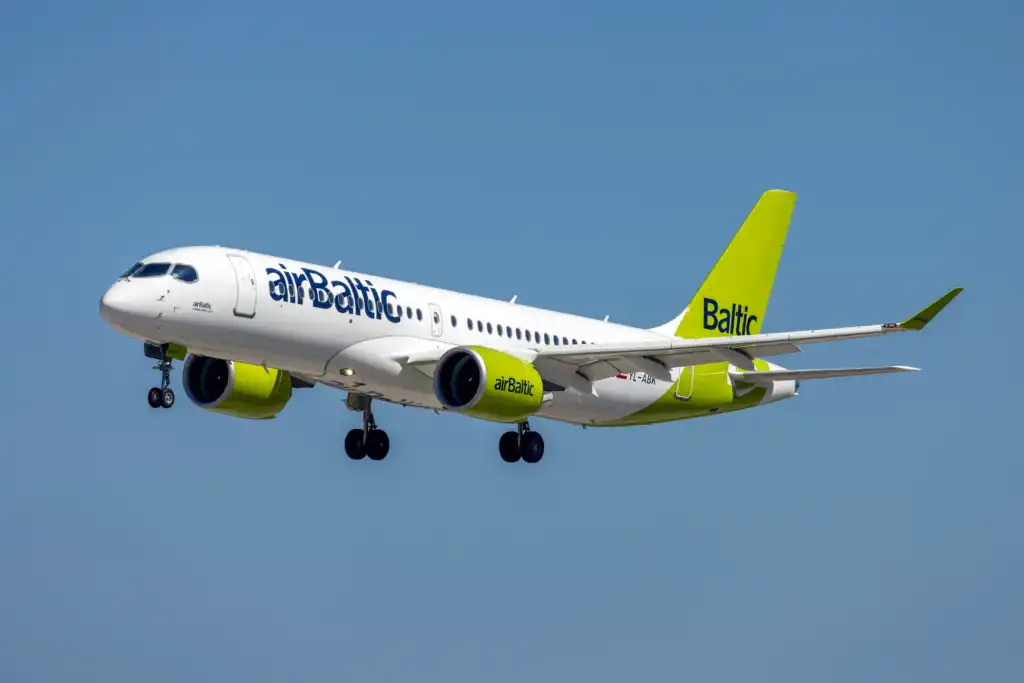
The first-ever hull loss of the Airbus A220 has emerged not from a dramatic in-flight emergency, but from a quiet and controlled maintenance environment—making the event both rare and deeply instructive. The aircraft in question, operated by airBaltic and registered as YL-AAO, was ultimately written off following a fire that broke out during a routine post-maintenance ground procedure. This unexpected loss underscores how even tightly controlled technical operations can carry significant risk when multiple systems intersect.
What initially appeared to be an isolated maintenance incident quickly evolved into a defining moment for the A220 program. After months of evaluation, Airbus determined in December 2025 that the aircraft had sustained damage severe enough to render repairs economically unjustifiable. The conclusion effectively transformed the incident into the first documented total loss of the A220 family since its introduction.
Inside the YL-AAO Incident: A Routine Check Turns Catastrophic
The aircraft YL-AAO had been part of airBaltic’s fleet since March 2019, delivered from Airbus’s Mirabel facility in Canada. Named “Jelgava,” it represented one of the airline’s early commitments to the A220 platform, which forms the backbone of its modern fleet strategy. However, like many A220 operators, airBaltic has faced persistent operational challenges linked to the Pratt & Whitney PW1521G-3 engines, which have caused widespread groundings and disruptions.
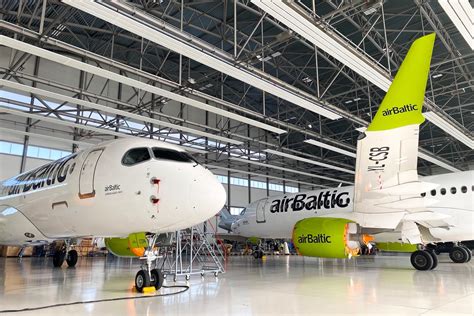
Following an extended period in storage—likely connected to these engine issues—the aircraft entered a heavy maintenance cycle at Riga International Airport. As part of the standard return-to-service procedure, technicians initiated an auxiliary power unit (APU) ground run, a routine step designed to verify onboard systems before operational clearance.
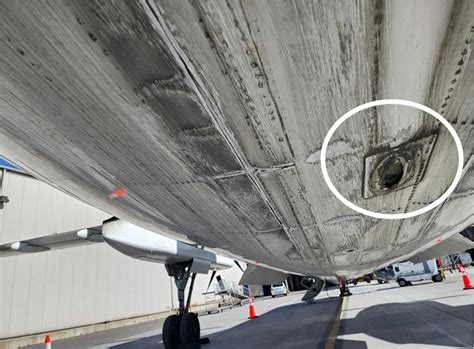
During this test, a fire ignited unexpectedly. Investigators later traced the origin to the ozone filter, a component within the environmental control system responsible for purifying bleed air before it enters the cabin. While seemingly minor, this component operates under conditions that can become hazardous if compromised, especially during system testing when airflow, temperature, and pressure variables fluctuate.
The resulting fire inflicted extensive thermal damage across critical structural zones, particularly around the fuselage and wing root. These are among the most structurally sensitive areas of any aircraft, where heat exposure can compromise load-bearing integrity and safety margins beyond acceptable repair thresholds.
Why the Aircraft Was Written Off: The Economics of Repair vs. Replacement
Aircraft damage does not automatically lead to a write-off. Modern engineering capabilities often allow heavily damaged airframes to be restored. However, in this case, the cost-benefit equation did not support repair.
Airbus engineering teams, working alongside insurers and technical specialists, conducted a detailed assessment over several months. Their conclusion was decisive: restoring YL-AAO would exceed its economic value. The combination of structural heat damage, component replacement costs, and the logistical burden of repair rendered the project commercially unviable.
For airBaltic, the financial consequences were tangible. The airline reported a net negative impact of approximately €6.2 million. This figure accounts for the write-down of the aircraft’s value, associated operational losses, and lease-related expenses. While a $33.4 million insurance settlement mitigated part of the damage, it did not fully offset the broader economic implications.
Importantly, the airline emphasized that all maintenance procedures had been carried out in strict compliance with existing guidelines. This detail shifts the focus away from human error and toward systemic or component-level vulnerabilities—a critical distinction in aviation safety analysis.
Ground Incidents in Aviation: Rare but Often Severe
Hull losses occurring on the ground are uncommon, yet history shows they can be just as consequential as in-flight accidents. Unlike airborne incidents, ground-based events often stem from procedural deviations, equipment failures, or environmental factors within controlled settings.
One of the most notable examples involved an Airbus A340-600 intended for Etihad Airways in 2007. During engine ground testing in Toulouse, the aircraft broke free from its chocks and collided with a blast wall. Investigators later determined that critical safety protocols had not been followed, including improper securing of the aircraft. Despite being nearly new, the aircraft was written off due to the severity of the damage.
In the same year, a Airbus A300-600 operated by Qatar Airways was completely destroyed in a hangar fire in Abu Dhabi. The likely cause was a spark or electrostatic discharge during painting operations, exacerbated by flammable vapors trapped under protective sheeting.
A different but equally instructive case occurred in 2013 involving a Boeing 787-8 belonging to Ethiopian Airlines. The aircraft caught fire while parked at London Heathrow Airport due to a malfunction in the emergency locator transmitter’s lithium-metal battery. Unlike the previous examples, this aircraft was successfully repaired and returned to service, demonstrating that not all severe ground incidents result in permanent loss.
The Broader Context: A220 Operational Challenges and Fleet Pressures
The loss of YL-AAO cannot be viewed in isolation. It occurs against a backdrop of ongoing operational challenges affecting the A220 fleet globally. Chief among these are the well-documented issues with Pratt & Whitney’s geared turbofan engines, which have forced airlines to ground aircraft, reduce schedules, and seek alternative capacity solutions.
For airBaltic, which relies heavily on the A220 as its sole aircraft type, these disruptions carry amplified consequences. The grounding of multiple aircraft not only strains operational flexibility but also increases reliance on maintenance cycles and component availability—factors that indirectly elevate exposure to ground-based risks.
The YL-AAO incident highlights how maintenance environments, often considered low-risk compared to flight operations, can become critical points of failure when compounded by technical complexity and fleet-wide pressures.
Not the First A220 Removed—But the First Lost to an Incident
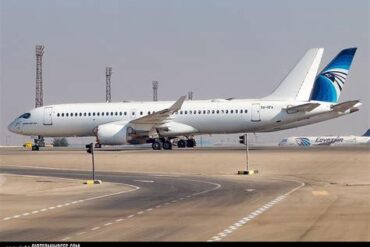
While YL-AAO represents the first A220 hull loss due to an incident, it is not the first aircraft of its type to be removed from service. In a separate development, a former A220 operated by EgyptAir was dismantled for parts in Canada.
That aircraft’s removal was driven not by damage, but by economics. Persistent engine issues made the fleet inefficient to operate, leading EgyptAir to sell its A220s to a leasing company. The teardown process, conducted in partnership with Delta Material Services, allowed valuable components—particularly engines—to be redistributed within the global supply chain.
This distinction is crucial. The EgyptAir case reflects strategic asset reallocation, whereas the airBaltic incident represents an involuntary loss triggered by unforeseen circumstances. Together, they illustrate two very different pathways through which modern aircraft can exit active service.
A Defining Moment for the A220 Program
The write-off of YL-AAO marks a milestone that is both symbolic and instructive. After nearly a decade of operations, the A220 family has maintained a strong safety record, making this first hull loss particularly notable. Yet the nature of the incident serves as a reminder that aviation risk is not confined to the skies.
What makes this event especially significant is its origin: a controlled maintenance procedure conducted according to established protocols. It challenges assumptions about where vulnerabilities lie and underscores the importance of continuous evaluation of even the most routine processes.
In the broader narrative of aviation safety, the loss of YL-AAO reinforces a critical truth—some of the most consequential incidents occur not during flight, but in the quiet, technical environments where aircraft are prepared to fly.