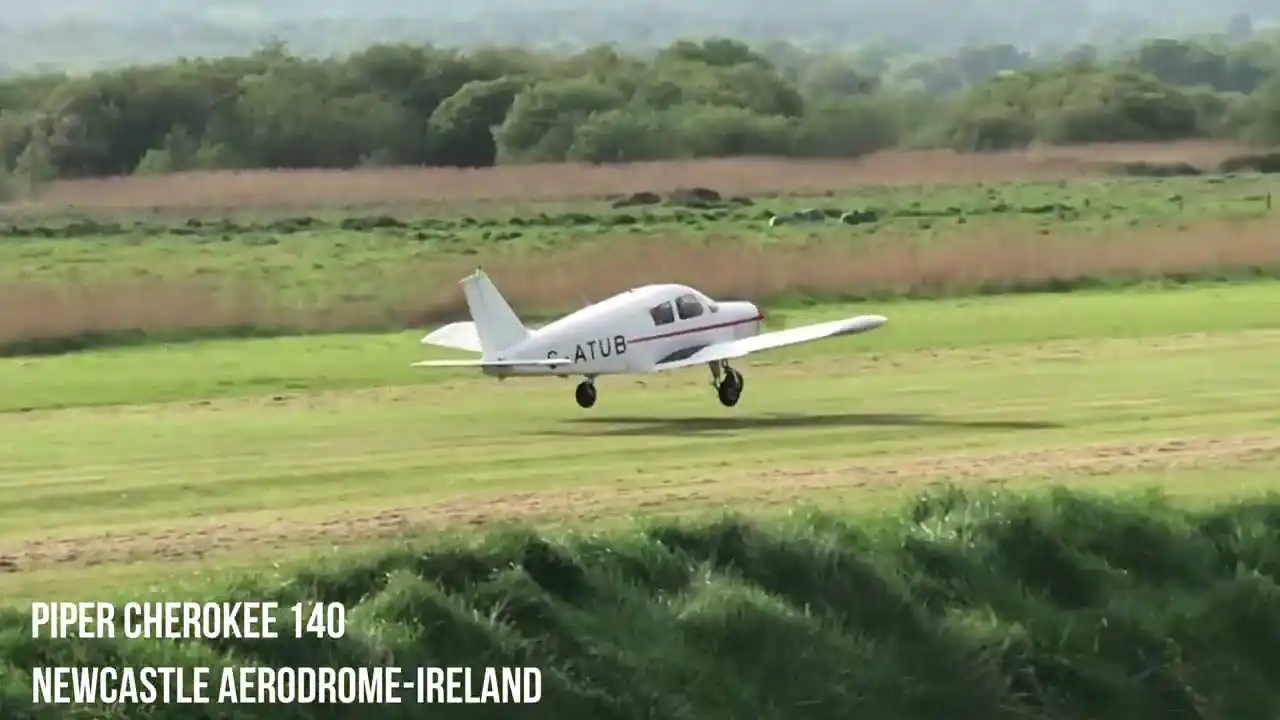
The landing flare is among the most critical and nuanced phases in fixed-wing aircraft operations. Occurring at the culmination of final approach, it represents the fine line between a smooth touchdown and a jarring, potentially damaging landing. Whether conducted in a light general aviation aircraft, a commercial jetliner, or a high-performance glider, the flare requires acute judgment, precise timing, and an intimate understanding of aerodynamics. Its function is deceptively simple: reduce the rate of descent and establish the correct pitch attitude for contact with the runway. Yet beneath this simplicity lies a symphony of aerodynamic transitions, control inputs, and environmental variables that must align within a matter of seconds.
Understanding the Aerodynamic Purpose of the Flare
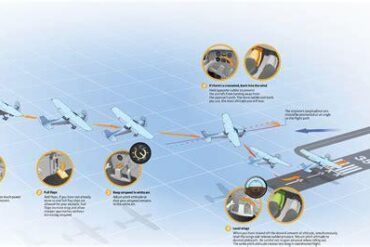
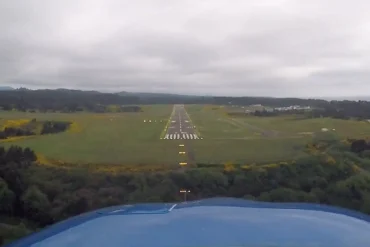
The flare is initiated just before touchdown, typically a few feet above the runway. At this moment, the pilot gently pulls back on the control column (or stick), raising the aircraft’s nose. This increases the angle of attack, thereby inducing additional lift and simultaneously reducing the rate of descent. The descent slows to near zero just as the main landing gear is poised to make contact.
In effect, the flare transitions the aircraft from its descent profile to a nearly level or slightly nose-up pitch attitude, which is essential for safe landing. Without this maneuver, the aircraft would impact the runway at a steeper angle and higher vertical speed, increasing stress on the landing gear and compromising passenger comfort and aircraft safety.
Flare Execution in Tricycle vs Tailwheel Aircraft
The configuration of an aircraft’s landing gear dictates the attitude required during the flare.
In tricycle gear aircraft, such as the Airbus A320 or Cessna 172, the main landing gear is located aft of the aircraft’s center of gravity. This means the flare must ensure that the nose gear remains off the ground at touchdown. Touching down nose-first can cause damage or porpoising. The correct technique involves establishing a slightly nose-up attitude, allowing the rear gear to contact the runway first, after which the nose gear is gently lowered.
Conversely, in tailwheel (conventional gear) aircraft, such as older Piper Cubs or the DC-3, the main gear is forward of the center of gravity. Here, the flare must result in an even greater nose-up attitude. This allows the main gear to land while the tail remains airborne briefly. Landing flat or nose-low in these aircraft can cause ground loops or loss of directional control due to the inherent instability of taildraggers.
The Critical Role of Airspeed and Timing
A successful flare is heavily dependent on two factors: airspeed and timing. An excessive airspeed will cause the aircraft to float, consuming unnecessary runway and potentially leading to a late or off-runway touchdown. Too little airspeed results in an abrupt stall and hard landing.
Timing is equally vital. Initiating the flare too high causes the aircraft to lose lift prematurely, leading to a drop and heavy impact. Flaring too low provides insufficient time for the descent rate to arrest, often culminating in a nose-wheel-first landing.
Pilots typically begin the flare at 10–20 feet above the runway in general aviation aircraft, and slightly higher in larger commercial airliners. This range offers just enough altitude to smoothly transition the aircraft to the landing attitude without floating or stalling.
Glider and Monowheel Flare Techniques
In gliders, which often feature monowheel landing gear, the flare maneuver is somewhat different due to the aircraft’s unique aerodynamics and light weight. The objective remains to arrest descent and touch down softly, but because of the high lift-to-drag ratio and absence of power, energy management is even more critical.
The pilot initiates the flare by leveling the nose, transitioning from a steep descent to a shallower glide. Unlike powered aircraft, gliders have no go-around capability during landing. Hence, a misjudged flare can result in ballooning or an abrupt stall close to the ground.
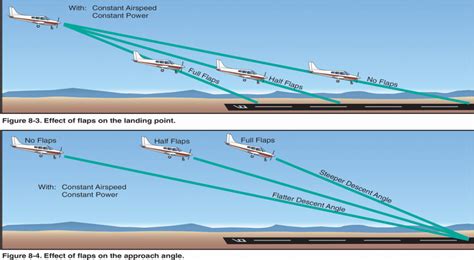
Helicopter Flare Dynamics
Though rotary-wing aircraft operate under different aerodynamic principles, the landing flare in helicopters serves a similar function. During autorotative landings—where the engine is disengaged or has failed—the flare is crucial for reducing both vertical and forward speed before touchdown.
The flare is initiated just above the landing zone by raising the collective and pulling aft cyclic. This causes the nose to pitch up, increasing rotor drag and decelerating the descent. As forward motion is arrested, the helicopter is transitioned to a near-hover attitude just before ground contact.
This precise maneuver must be timed carefully. Over-flaring can cause the helicopter to balloon and lose lift at low altitude, while under-flaring results in excessive forward speed at touchdown.
Parachute Landing Flare
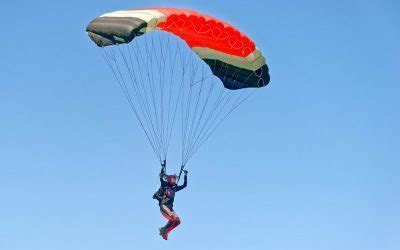
Even in skydiving, the flare plays a vital role during the parachute landing fall (PLF). Executed at approximately 15 feet above the ground, the skydiver pulls down both toggles to flatten the parachute’s descent path and reduce vertical speed.
This action, much like in aircraft, causes the canopy to momentarily increase lift, softening the landing. A poorly timed flare here can result in a harsh landing or even injury, particularly in high-wind conditions or uneven terrain.
Environmental Factors Impacting Flare Performance
Multiple environmental factors influence the optimal execution of the flare:
- Wind direction and strength: A strong headwind shortens the ground speed and distance required for flare and touchdown. A tailwind increases the challenge significantly.
- Runway slope and elevation: A downhill runway reduces the vertical margin available, demanding earlier flaring.
- Density altitude: At higher altitudes, thinner air results in reduced lift, requiring higher true airspeeds and slightly earlier flares.
- Turbulence and wind shear: These conditions necessitate rapid, real-time corrections to maintain flare accuracy.
A pilot must adapt dynamically to these conditions, adjusting pitch inputs and timing based on pre-landing assessments and visual cues.
Training the Flare: From Simulation to Solo Flight
The flare maneuver is a core component of primary flight training, and its mastery is often a benchmark of pilot proficiency. Student pilots first learn the concept in simulators, where they practice eye coordination and timing without the risk of damage. Subsequently, flight instructors guide students during real-world approaches, coaching them through flare altitude judgments and pitch control.
Instructors often use verbal cues—”start your flare,” “hold it off,” “keep the nose up”—to guide students. Over time, muscle memory and visual referencing (like observing the runway edge expanding in peripheral vision) solidify the technique.
Even after certification, pilots continue to refine their flare skills. Crosswinds, gusty conditions, and unfamiliar aircraft types present ongoing challenges requiring nuanced adjustments.
Landing Flare in Modern Jetliners
In large commercial aircraft, the landing flare is typically initiated by the autopilot or the pilot flying (PF) when the aircraft descends through 50 feet above the runway. At this stage, autothrust systems begin to retard engine power, and the PF raises the nose slightly to initiate the flare. Jetliners have a higher approach speed and inertia, requiring a more gradual, extended flare.
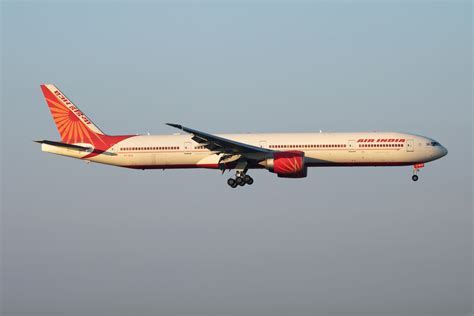
Modern aircraft like the Boeing 777 or Airbus A350 use fly-by-wire systems that assist pilots in achieving an optimal flare profile. However, pilot input remains crucial, especially in crosswind or low-visibility landings, where manual skill and judgment override automation.
Conclusion: The Art and Science of the Flare
The landing flare is not merely a mechanical action but a precise and context-dependent maneuver that reflects a pilot’s judgment, training, and adaptation. Whether in a piston single, sailplane, or wide-body jet, the flare is a balancing act of aerodynamics, aircraft configuration, and human perception.
It is in this moment—mere feet above the earth—where aerodynamic theory meets tactile intuition, and where successful flight concludes not with abrupt impact, but with a whisper-soft touchdown that echoes mastery.