Understanding the Realities Behind an Aerobatic Pilot Salary
The world of aerobatic flying is both thrilling and demanding. As precision pilots execute breathtaking loops, rolls, and dives, audiences are captivated by their skill—but few consider the financial picture behind the cockpit. Aerobatic pilot salaries vary significantly based on factors such as experience, recognition, event frequency, and sponsorships. In this comprehensive breakdown, we examine what defines these earnings, analyze notable careers like Patty Wagstaff and Jacquie B Warda, and discuss what it takes to sustain a living in this elite aviation sector.
Aerobatic pilots are not only aviators—they are artists, athletes, and ambassadors for aviation. Compensation structures are complex, built around a combination of performance fees, endorsements, instruction roles, and, for top pilots, legacy recognition. Many begin their careers out of passion, but staying in the skies requires both resilience and strategy.
How Much Do Aerobatic Pilots Really Make?
While the average annual salary for an aerobatic pilot is estimated at $89,540, this figure is heavily skewed by elite professionals. For many, especially in early years, income can be significantly lower. Unlike commercial pilots with salaried positions, aerobatic pilots often operate as freelancers, relying on event bookings and training contracts to sustain income.
Earnings depend on:
- Airshow participation fees
- Flight instruction or experience packages
- Corporate sponsorships
- Media appearances
- Merchandising and speaking engagements
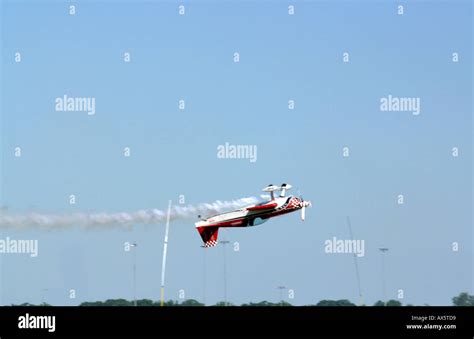
A high-ranking pilot may perform in 20 to 30 shows annually, earning between $2,000 to $5,000 per show. This means that top-tier performers can gross upwards of $150,000, though travel, maintenance, and aircraft expenses eat into that sum.
The Career of Patty Wagstaff: A Benchmark in Aerobatic Prestige
Patty Wagstaff, one of the most iconic names in aerobatic history, has elevated the discipline’s profile with her extraordinary talent and persistence. She holds the distinction of being the first woman to win the U.S. National Aerobatic Championship three times and remains a fixture in international airshows.
Her journey into aerobatics was inspired by her father, a commercial airline captain. From a young age, Wagstaff showed fascination with flight and later formalized her aviation education. Her early flights were in a Cessna 185 floatplane, but her career quickly evolved into high-performance aircraft such as the Extra 300.
Beyond performing, Wagstaff is a highly respected instructor pilot, offering advanced training programs that emphasize safety and precision. Her instruction services—particularly tailored to military and civilian pilots—form a significant part of her income stream.
Her accolades include:
- Induction into the National Aviation Hall of Fame
- Three-time Betty Skelton Award recipient
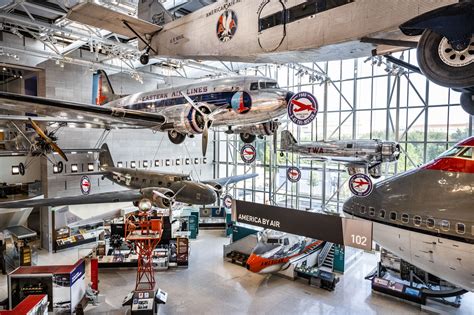
- Aircraft displayed in the Smithsonian National Air and Space Museum
These honors bolster her brand, allowing her to command premium rates for both performance and instruction. Patty Wagstaff’s career trajectory is a gold standard, with her estimated annual income likely exceeding $100,000 to $150,000, especially when considering endorsement deals and training revenues.
Jacquie B Warda: An Aerobatic Force of Inspiration
Jacquie B Warda, another trailblazing aerobatic pilot, exemplifies how charisma and performance can lead to financial success in the airshow circuit. She began her aviation career relatively late—earning her private pilot certificate at age 32—but quickly soared to prominence. Warda’s career includes over 3,000 flight hours and appearances in more than 1,000 airshows.
Notably, Warda retired with an astonishing $750,000 salary, a testament to her high profile and longevity in the field. This figure includes sponsorships, speaking engagements, and her performances as part of the U.S. National Aerobatic Team. Her use of aircraft such as the Pitts Special and later the Extra 300 made her a fixture in major North American events.
Warda’s revenue channels were diversified through:
- Performance fees from prestigious airshows
- Appearances in aviation publications and books
- Motivational speaking focused on women in aviation
- Brand partnerships with aviation product companies
Her influence transcended aerobatics. Warda became a beacon for aspiring female pilots and was often featured in museums and documentaries. Her salary figure, while not common, illustrates what is possible at the pinnacle of this career.
Income Opportunities Beyond the Airshow Circuit
Not all aerobatic pilots rely exclusively on performance fees. A growing sector revolves around aerobatic experience packages and flight instruction programs offered to the public. Sky Combat Ace, a company founded by a former fighter pilot, exemplifies how these offerings can be monetized effectively.
At Sky Combat Ace, participants select from packages like:
- The Explorer: Basic aerobatic introduction
- The Afterburner: Intense maneuvers for thrill-seekers
- Top Gun: Combat-style aerobatic training for licensed pilots
- Spectator Flights: Non-pilot participation in tandem flights
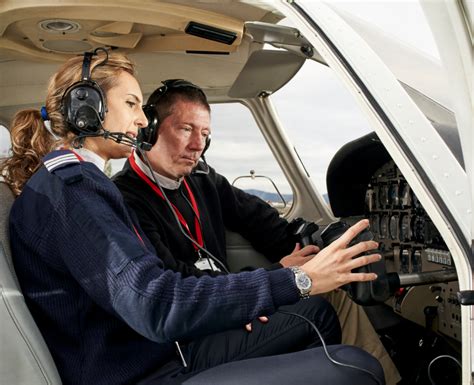
These programs not only bring in substantial revenue but also provide job opportunities for seasoned aerobatic pilots who act as instructors. A senior instructor in such a program can earn $60,000 to $100,000 annually, with potential for bonuses tied to customer volume and retention.
Operating Costs and Their Impact on Net Earnings
Even for elite aerobatic pilots, high operating costs reduce net income significantly. Aircraft like the Extra 300 or Pitts S-2B demand frequent maintenance, insurance, hangar space, and fuel—all of which can total $40,000 to $80,000 annually. Additionally, travel to airshows and the cost of transport logistics further strain profit margins.
To remain financially viable, most aerobatic professionals:
- Seek sponsorships from aviation brands
- Collaborate with flight schools for instruction contracts
- Monetize their brand via merchandise or online content
Those who succeed are not merely great pilots—they are entrepreneurs who understand branding, outreach, and operational efficiency.
Gender, Legacy, and Influence in Aerobatic Salaries
Figures like Wagstaff and Warda also reveal an important element of aerobatic pilot compensation: legacy value. Pilots who become public figures or advocates for aviation often extend their earnings beyond flying. This is especially true for women in aviation, whose pioneering efforts are recognized with media attention, museum exhibits, and corporate engagements.
Their influence extends to inspiring youth, developing pilot training programs, and representing aviation at global conferences—all of which can be monetized.
Future Trends in Aerobatic Earnings
The evolution of digital content, immersive video, and online training platforms suggests that aerobatic pilots will increasingly turn to virtual training, streaming platforms, and social media engagement to enhance their income. Platforms like YouTube, Patreon, and Instagram offer new monetization strategies, particularly for pilots who combine showmanship with education.
As airshows incorporate augmented reality, and as the demand for aviation experience grows, aerobatic professionals who adapt to these shifts will likely see a spike in earning potential.
FAQ
What is the average salary for an aerobatic pilot?
The average salary is around $89,540 per year, but this can range from $30,000 to over $150,000 depending on performance frequency, teaching roles, sponsorships, and public exposure.
Do aerobatic pilots have other jobs?
Yes. Many supplement their income through instruction, aerobatic experience packages, brand partnerships, or even commercial or charter flying. Some are affiliated with military or government aviation training programs.
Are aerobatic pilots required to own their aircraft?
Not necessarily. While owning an aircraft allows greater control, it comes with high costs. Some pilots lease planes, borrow through sponsors, or operate under corporate ownership arrangements to reduce financial strain.