Aerobatic display teams are the epitome of precision flying, showcasing extraordinary maneuverability, speed, and synchronization in breathtaking aerial performances. These teams, often part of national air forces, represent the pinnacle of aviation skill, performing in international airshows, diplomatic events, and military celebrations. With years of intensive training, pilots execute daring stunts that push the limits of aerodynamics and aircraft capabilities. Let us explore the most elite aerobatic teams in the world.
Thunderbirds – The Pride of the U.S. Air Force
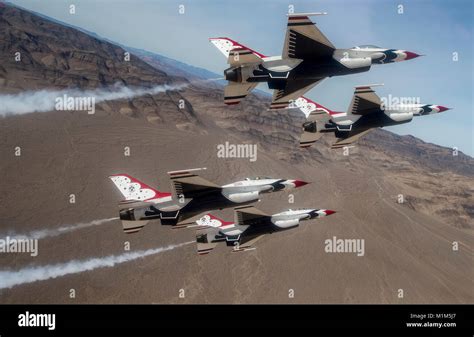
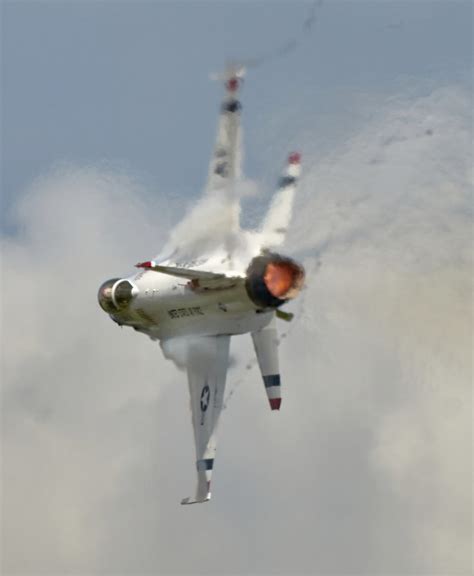
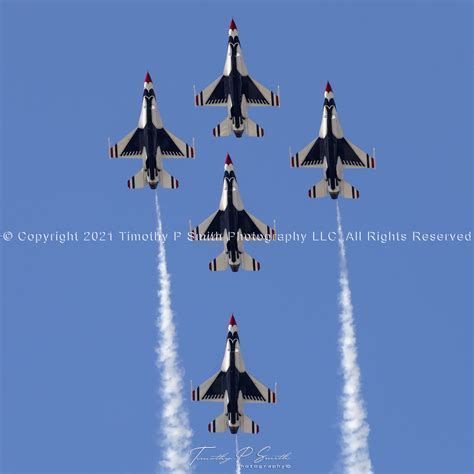
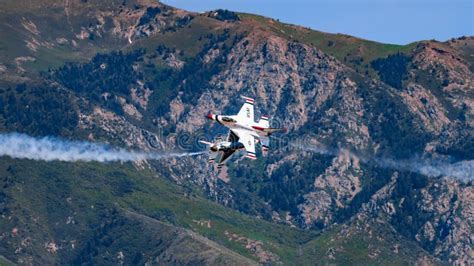
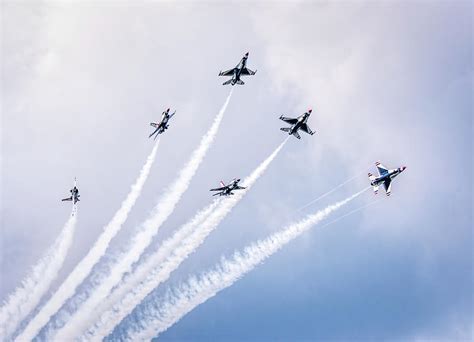
Established in 1953, the United States Air Force Thunderbirds are among the oldest and most recognized aerobatic teams. They were the first to use supersonic jet aircraft for aerial performances and continue to mesmerize audiences with their extreme precision and high-speed maneuvers.
Aircraft Used:
- F-84 Thunderjet (initial aircraft)
- F-100 Super Sabre
- F-105 Thunderchief
- F-4 Phantom II
- T-38 Talon
- F-16 Fighting Falcon (current aircraft)
Signature Maneuvers:
- Diamond Formation Loop – A synchronized loop executed by four aircraft in a tight diamond formation.
- Minimum Radius Turn – A near-instantaneous turn showcasing the aircraft’s agility.
- Arrowhead Loop – A breathtaking vertical ascent leading into a synchronized downward spiral.
- Opposing Knife-Edge Pass – Two jets pass each other at high speeds with minimal separation.
- Five-ship Delta Burst – A five-plane formation dispersing mid-air into a starburst pattern.
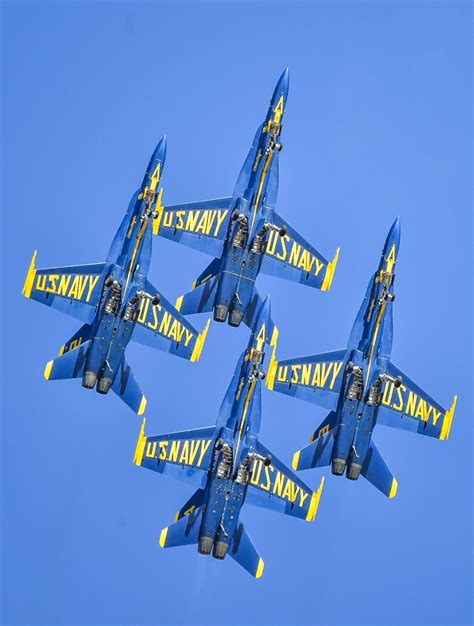
Blue Angels – The U.S. Navy’s Precision Flyers
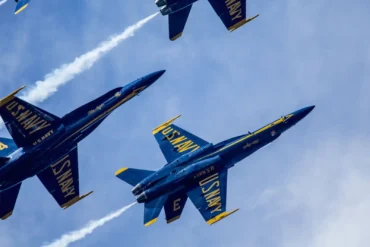
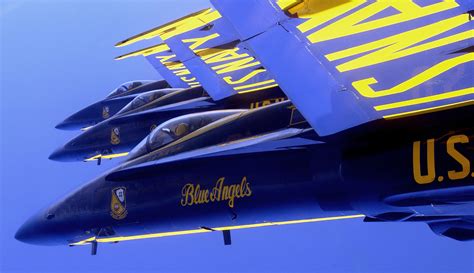
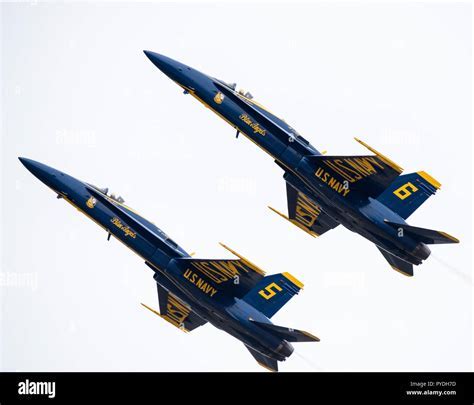
Formed in 1946, the Blue Angels are the world’s oldest official aerobatic team. As an elite unit of the United States Navy, they perform dazzling maneuvers using high-performance jets, demonstrating military aviation excellence.
Aircraft Used:
- F6F Hellcat (early days)
- F9F Panther
- F-11 Tiger
- A-4 Skyhawk
- F/A-18 Hornet (current aircraft)
Signature Maneuvers:
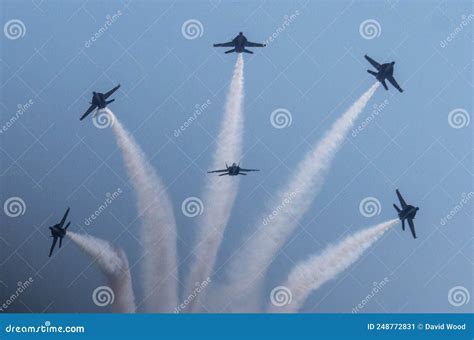
- Delta Breakout – A six-aircraft formation splitting in different directions.
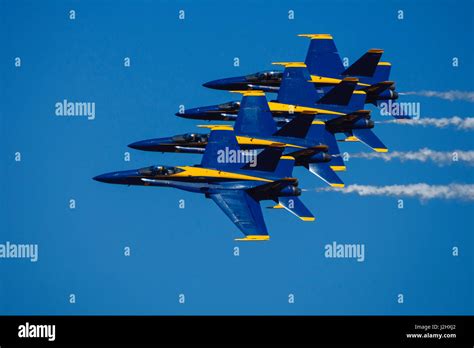
- Echelon Parade – A visually stunning, close-proximity diagonal formation.
- Tuck-Under Break – Aircraft execute a quick, synchronized bank and turn.
- Section High Alpha Pass – A slow-speed maneuver displaying aircraft control at high angles of attack.
- Dirty Loop – Landing gears are deployed mid-loop to increase complexity.
Russian Knights – Russia’s Heavy Fighter Display Team
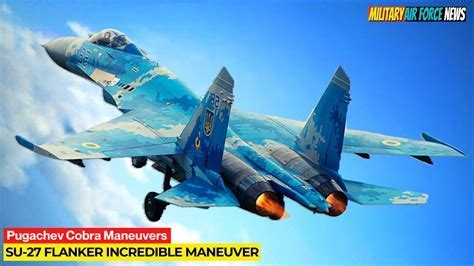
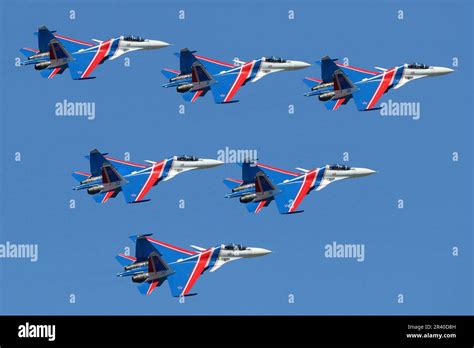
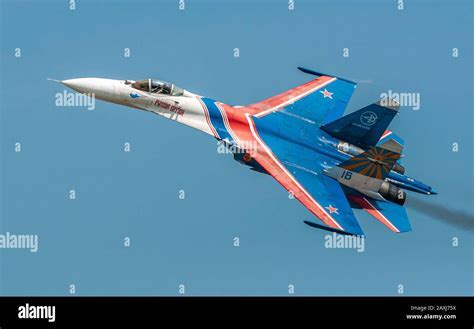
The Russian Knights, established in 1991, are unique as they are the only aerobatic team flying heavy fighter jets, emphasizing power and maneuverability. Their aircraft are painted in the Russian tricolor and perform in military airshows and international aviation exhibitions.
Aircraft Used:
- Su-27 Flanker
- Su-30SM (current aircraft)
Signature Maneuvers:
- Pugachev’s Cobra – A rapid nose-up maneuver followed by a controlled descent.
- Inverted Split – Two jets perform inverted flying before splitting off in opposite directions.
- Kulbit (Somersault) – A unique 360-degree backflip in mid-air.
- Crossing Break – Multiple aircraft cross paths at high speeds in a breathtaking display of precision.
Swifts – Russia’s Agile Air Demonstration Team
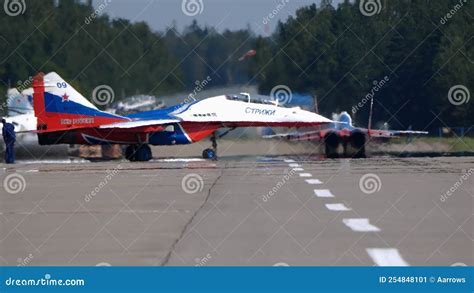
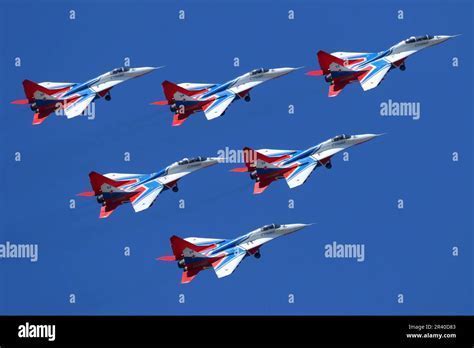
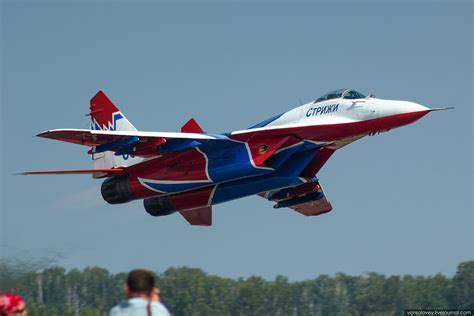
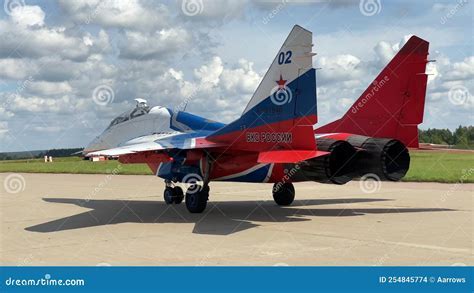
The Swifts (Strizhi) were founded in 1991 and fly the MiG-29, one of the world’s most versatile fighter jets. They often collaborate with the Russian Knights in synchronized displays, showcasing Russia’s aviation prowess.
Aircraft Used:
- MiG-29 Fulcrum (current aircraft)
Signature Maneuvers:
- Hammerhead Turn – A sudden vertical climb followed by a sharp pivot and descent.
- Star Formation – Multiple jets create a five-point star shape.
- Crossover Pass – Pilots fly toward each other at high speeds before breaking away at the last second.
- Tumbling Barrel Roll – A rolling maneuver demonstrating extreme aircraft agility.
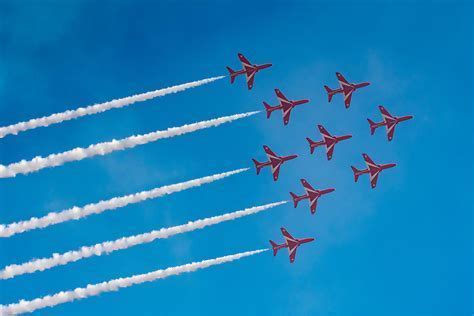
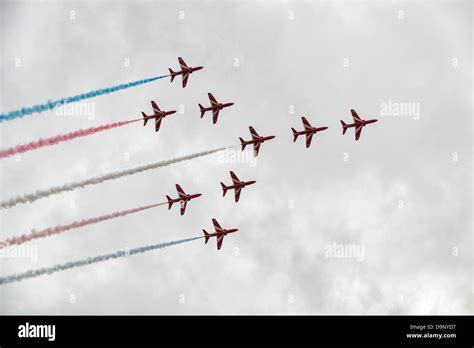
Red Arrows – The Royal Air Force’s Premier Team
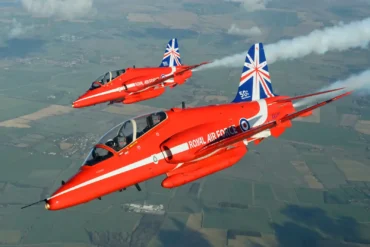
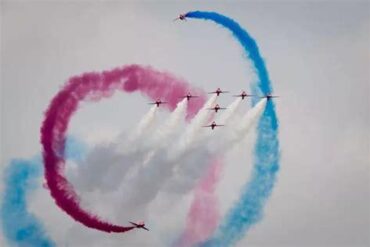
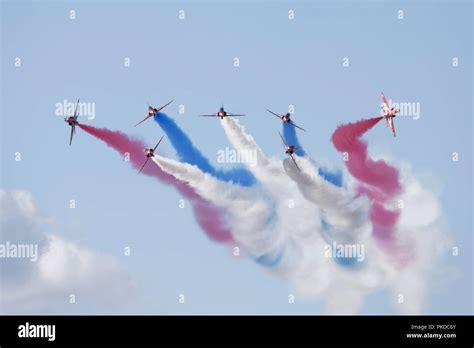
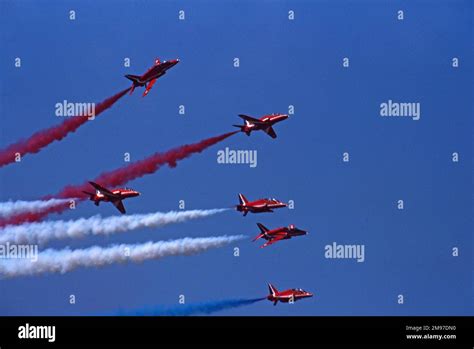
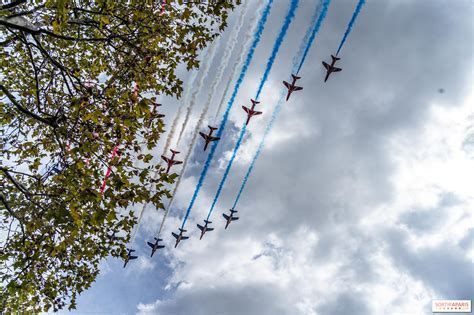
Formed in 1965, the Red Arrows are among the world’s most famous aerobatic teams, known for their signature red aircraft, precise formations, and spectacular smoke trails.
Aircraft Used:
- Folland Gnat
- BAE Hawk T1 (current aircraft)
Signature Maneuvers:
- Apollo Formation – A complex seven-aircraft display with interlocking patterns.
- Concorde Formation – A tribute to the legendary supersonic passenger jet.
- Big Vixen Break – Aircraft split dramatically from a central point.
- Rollbacks – Precise, synchronized barrel rolls performed at high speed.
August 1st Team – The Chinese People’s Liberation Army Air Force
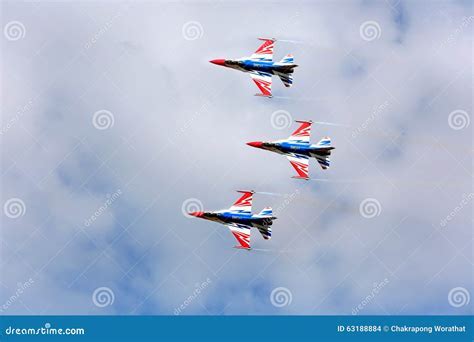
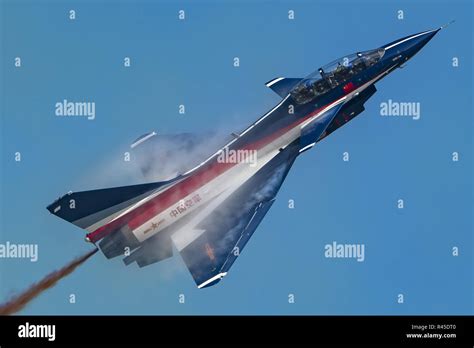
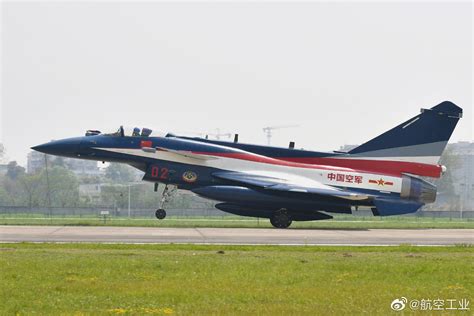
The August 1st Aerobatic Team represents the Chinese People’s Liberation Army Air Force (PLAAF) and was established in 1962. Known for their precise high-G maneuvers, they are China’s premier demonstration team.
Aircraft Used:
- J-5
- J-7
- J-10 (current aircraft)
Signature Maneuvers:
- Devil’s Formation – A tight, multi-aircraft diamond formation.
- Solo Rolling Pass – A single aircraft executes extreme barrel rolls.
- Intersecting Loops – Multiple aircraft crisscrossing in mid-air at different angles.
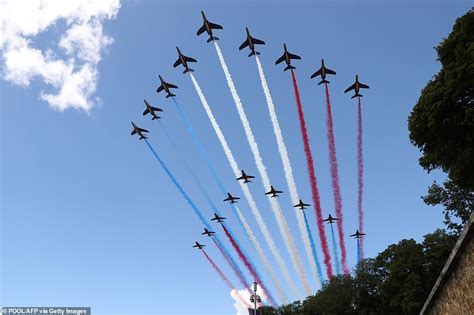
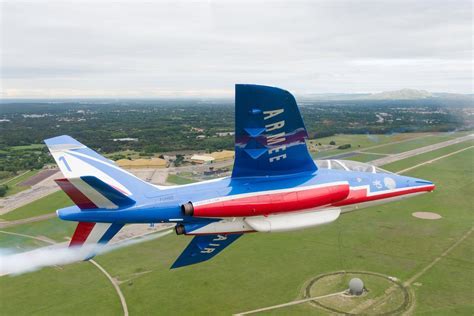
Patrouille de France – France’s Elite Aerobatic Unit
The Patrouille de France, formed in 1964, is one of the oldest and most prestigious aerobatic teams, often performing at national celebrations and international events.
Aircraft Used:
- Fouga Magister
- Alpha Jet (current aircraft)
Signature Maneuvers:
- Vertical Spiral Ascent – Aircraft climb in a synchronized upward spiral.
- French Flag Flypast – Smoke trails form the colors of the French flag.
- Arrowhead Break – Formation splits mid-air in a symmetric pattern.
Italian Frecce Tricolori
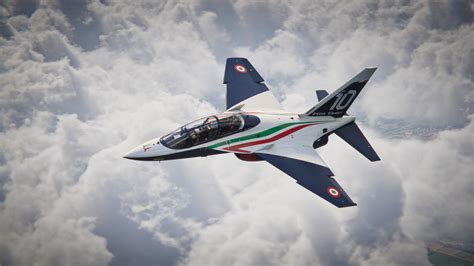
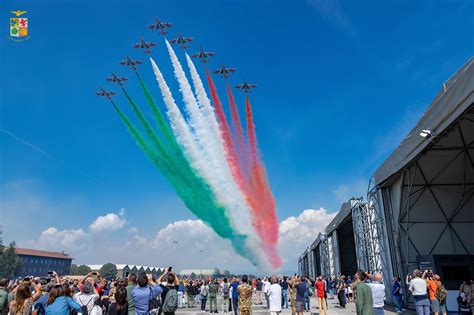
The Frecce Tricolori, established in 1961, is Europe’s largest aerobatic team, flying with ten aircraft to create mesmerizing displays.
Aircraft Used:
- F-86 Sabre
- Aermacchi MB-339 (current aircraft)
Signature Maneuvers:
- Crazy Flight – A single aircraft mimics an erratic drunken flight path.
- Big Cross Split – A symmetrical cross maneuver with smoke trails.
- Tricolor Smoke Trail – A patriotic display of Italy’s flag colors.

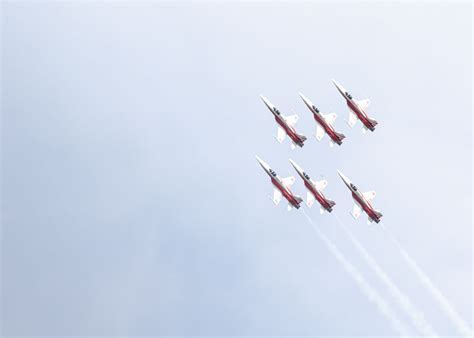
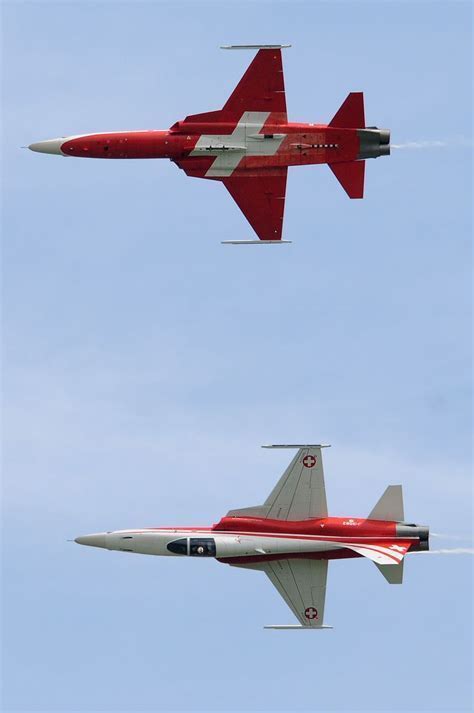
Swiss Patrouille Suisse
Established in 1964, the Patrouille Suisse represents Swiss precision and engineering excellence in the world of aerobatics.
Aircraft Used:
- Hawker Hunter
- Northrop F-5E Tiger II (current aircraft)
Signature Maneuvers:
- Spiral Climb – A graceful, synchronized upward spiral.
- Mirror Flight – Aircraft fly in a mirrored upside-down formation.
- Dagger Formation – A sharply pointed aerial formation.

FAQs
1. How do aerobatic pilots withstand extreme G-forces?
Aerobatic pilots undergo rigorous training, strengthening their bodies and practicing G-straining techniques to maintain consciousness under extreme acceleration.
2. What is the most difficult aerobatic maneuver?
Maneuvers like Pugachev’s Cobra, Kulbit, and Dirty Loop require exceptional control, precise aircraft handling, and extensive pilot training.
3. Can civilians experience aerobatic flights?
Yes, some companies offer aerobatic experience flights, allowing civilians to fly in specially designed aircraft with experienced pilots.
The world’s best aerobatic teams continue to push the limits of aviation, showcasing speed, precision, and technical mastery in every performance. Their displays inspire future generations of pilots and thrill audiences across the globe.