Washington, D.C. is set to witness a historic display of military might and aerial precision as final preparations unfold for the Army’s 250th Birthday Parade, scheduled to take place this Saturday. This extraordinary celebration will dominate the skies with an impressive fleet of 40 military helicopters, including Blackhawks, Apaches, and Chinooks, making it one of the most ambitious aerial parades ever seen in the nation’s capital.
The meticulous coordination for this event has taken months, involving interagency collaboration, security clearances, extensive pilot training, and logistical oversight. According to Lt. Col. Patrick Husted, one of the officials overseeing the execution, the capital city’s intricate permitting requirements have added layers of complexity to the operation. “I’ve learned this week that in D.C., everything requires a permit,” he said with a chuckle, alluding to the bureaucratic hurdles that even the military must navigate.
A Skybound Spectacle in Celebration of History
The parade is not just a spectacle — it is a tribute to the Army’s legacy, honoring 250 years of service, sacrifice, and strategic excellence. Chief Warrant Officer Caleb Lindsay, one of the pilots participating in the event, expressed his enthusiasm and pride at being part of such a momentous occasion. Lindsay, who pilots a Blackhawk helicopter, emphasized the level of preparation required. “Flying helicopters is really cool,” he said. “There’s a program where you can go straight into it. So I went to basic training and straight into flight school after that.”
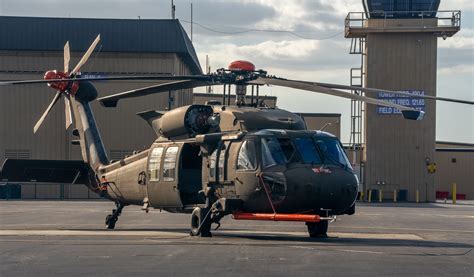
The flyover will feature:
- 16 Blackhawk helicopters, known for their versatility in assault and transport missions.
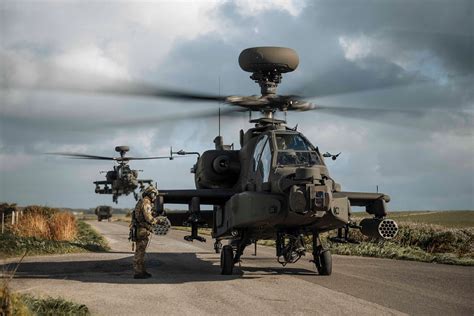
- 16 Apache helicopters, iconic for their firepower and tactical precision.
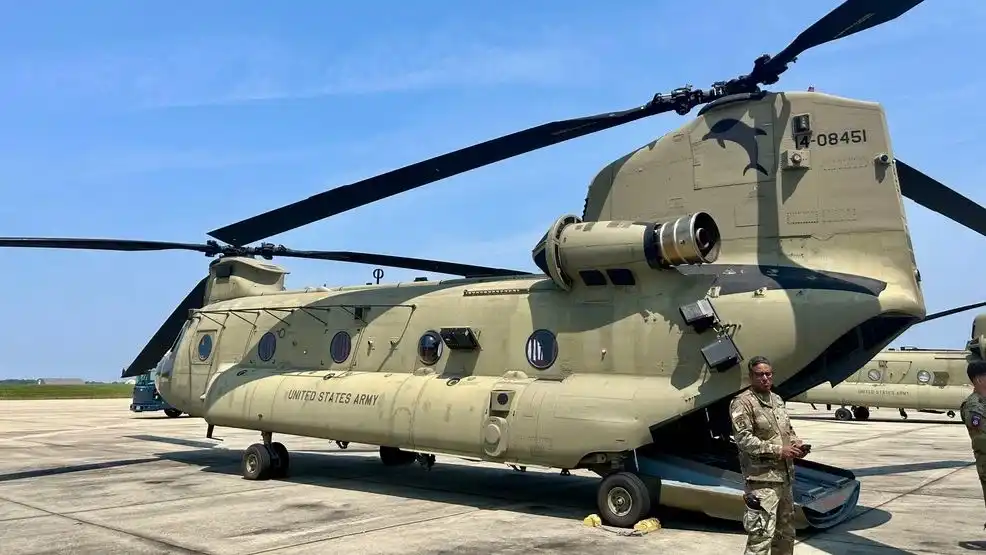
- 8 Chinook helicopters, engineered for heavy-lift transport and battlefield support.
Each aircraft represents a pinnacle of American engineering and tactical capability. Together, they form an airborne tribute to the men and women who have shaped the Army’s legacy across centuries.
Behind the Blades: The Unsung Heroes of Maintenance and Mechanics
While the pilots take to the skies, the operational success of this mission rests heavily on the ground crews who work tirelessly behind the scenes. Among them is Sgt. Jennifer Zimmitti, an Apache helicopter maintainer whose pride in her work shines through. “I love watching what we do, I love watching our country, and it’s a once-in-a-lifetime opportunity,” Zimmitti said. “Who gets to say they work on an Apache?”
Her role, often unseen by the public, is vital to ensuring these high-tech machines remain flight-ready. Maintenance protocols include routine systems checks, blade inspections, software diagnostics, and emergency readiness drills. These procedures, while technical and time-intensive, are crucial in safeguarding both pilot and mission integrity.
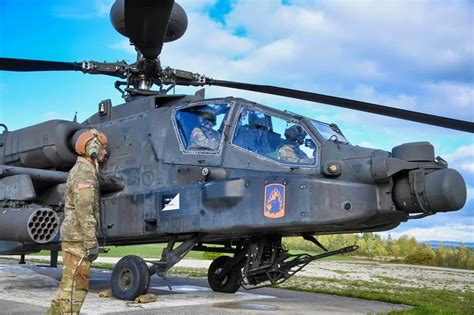
Zimmitti’s commitment is mirrored by hundreds of technical specialists who make Saturday’s aerial display possible. Their dedication ensures that each helicopter not only flies but performs flawlessly before the eyes of thousands expected to line the National Mall.
Military Aviation Meets Civic Celebration
The integration of military hardware into a public event of this scale transforms D.C.’s airspace into a canvas of national pride. It’s not just about showcasing military strength — it’s about forging a visible connection between the armed forces and the American people. This year’s parade has been carefully choreographed to blend tradition with spectacle, echoing the enduring bond between the military and civilian communities.
Saturday’s itinerary will include aerial flyovers, static aircraft displays, and troop formations, offering the public rare close-up access to the men, women, and machines that define the modern Army. Attendees will have the opportunity to interact with service members, learn about aviation technology, and witness synchronized maneuvers that usually occur behind base gates.
The Heart of the Machine: Blackhawks, Apaches, and Chinooks
The helicopters at the center of this parade are more than military assets — they are symbols of tactical innovation and resilience. Each model brings its own legacy to the formation:
Blackhawk UH-60
Developed in the 1970s and introduced in the early 1980s, the Blackhawk UH-60 has become synonymous with battlefield versatility. Designed for troop transport, medevac missions, and logistical support, it is often the first helicopter deployed in combat zones.
The Blackhawk’s twin-engine configuration, rugged airframe, and advanced avionics make it ideal for both peacetime and wartime operations. Its presence in Saturday’s parade underscores its role as a backbone of Army mobility.
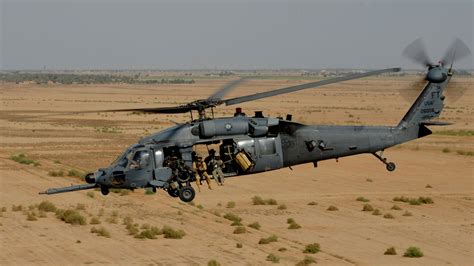
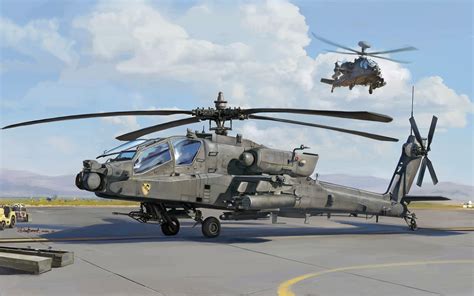
AH-64 Apache
Perhaps the most formidable attack helicopter in U.S. military history, the Apache AH-64 brings lethal precision to the skies. Equipped with Hellfire missiles, 30mm chain guns, and cutting-edge target acquisition systems, it is a cornerstone of Army air assault strategies.
The Apache’s tandem cockpit and advanced navigation capabilities allow it to operate in challenging environments — from desert sands to dense urban warfare theaters.
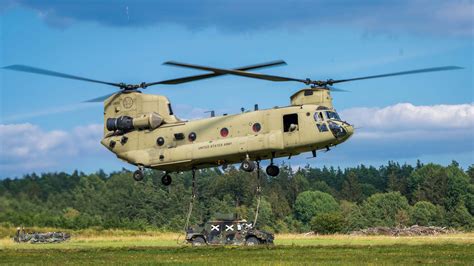
CH-47 Chinook
With its twin-rotor design and heavy-lift capabilities, the Chinook CH-47 remains unparalleled in battlefield logistics. It can carry troops, vehicles, and artillery over vast distances with remarkable efficiency. Its inclusion in the parade highlights the logistical muscle behind every combat maneuver.
Training, Precision, and Patriotism
The visual drama of synchronized military flight is only made possible by months of rigorous training and strict coordination. Pilots and their support crews have practiced extensively to ensure split-second timing during flyovers. In the skies over D.C., there will be no margin for error.
Chief Warrant Officer Lindsay and his fellow pilots have undergone multiple simulation drills, route testing, and real-time communication exercises. Air traffic coordination with the Federal Aviation Administration (FAA) and the Department of Defense ensures safe operation across shared airspace.
This weekend’s parade will be not just a show of skill but a demonstration of precision command and control, reflecting the professional excellence embedded in the Army’s ethos.
The Broader Significance of the Parade
As Washington prepares to host this grand aerial event, the deeper message of the parade resonates across cultural and historical dimensions. The 250th anniversary of the U.S. Army is a milestone that bridges centuries of transformation — from the Continental Army of 1775 to the high-tech force of today.
This public celebration serves as a reminder of the Army’s evolving role in both war and peace, its adaptability across geopolitical eras, and its enduring commitment to the defense of the Constitution and American values.
For many service members, this parade is a culmination of their personal and professional journeys. For the public, it offers a chance to connect, reflect, and stand in appreciation of those who serve.
Final Preparations and Community Anticipation
Even as military personnel finalize flight plans and safety protocols, excitement is building throughout the region. D.C. residents and tourists alike are expected to gather in large numbers, with major vantage points along Constitution Avenue, the National Mall, and Lincoln Memorial Reflecting Pool offering unparalleled views.
Security measures, including controlled access zones and restricted airspace, will be in full effect. Attendees are encouraged to arrive early, bring identification, and follow guidance from on-site personnel to ensure a smooth and respectful observance of the event.
Lt. Col. Husted summed it up aptly: “This isn’t just a parade. It’s history in motion. It’s pride in action. And it’s for everyone.”
As the Army marks 250 years of service, the thunder of helicopter rotors over the heart of the nation will serve as a vivid symbol of continuity, strength, and unity.