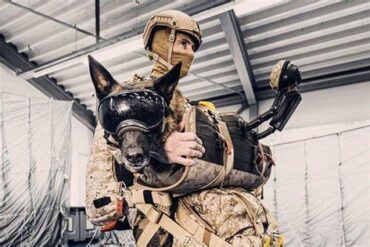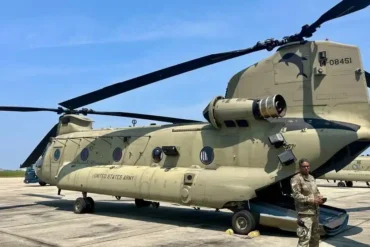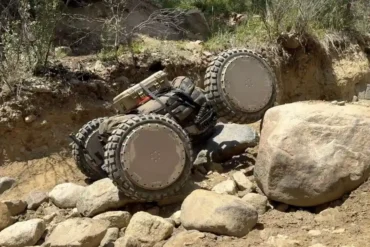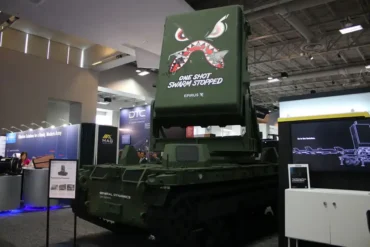
In a historic celebration of military evolution and patriotic pride, the 250th anniversary of the U.S. Army was marked not only with traditional salutes and solemn tributes, but with an emphatic look forward into the battlefield technologies of tomorrow. Under the gleam of ceremonial spotlights and roaring applause, the latest in autonomous systems, military drones, and robotic dog units paraded alongside soldiers, symbolizing the seamless fusion of tradition and innovation.
The commemoration, attended by government officials, veterans, and thousands of civilians, was a vivid demonstration of how the Army is embracing next-generation warfare tools to enhance combat effectiveness, reduce casualties, and deter modern threats. The visual spectacle, underscored by patriotic fervor, was as much a celebration of the past as it was a strategic display of future capabilities.
Projecting Power: Drones Take Center Stage
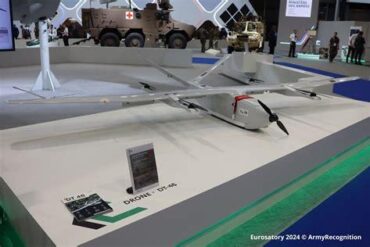
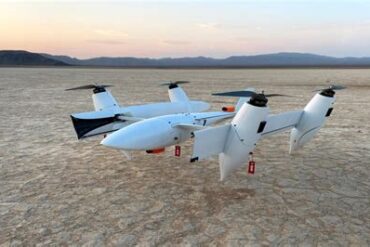
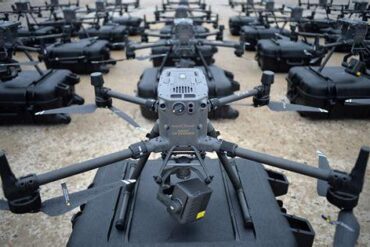
Unmanned Aerial Vehicles (UAVs), once the stuff of science fiction, now stand at the heart of tactical supremacy. During the parade, the audience watched with awe as a fleet of military-grade drones executed aerial maneuvers, showcasing the kind of agility and precision that traditional piloted aircraft simply cannot match. This was not merely a performance — it was a powerful message to allies and adversaries alike.
These drones are more than surveillance tools. Armed with real-time data processing capabilities, GPS-guided flight paths, and stealth technologies, modern military drones play crucial roles in:
- Combat reconnaissance in hostile terrain
- High-accuracy strike missions minimizing collateral damage
- Electronic warfare and signal jamming
- Tactical resupply in inaccessible zones
Experts like drone specialist Brett Velikovich emphasized the critical importance of drone warfare, noting that in ongoing conflicts such as the Russia-Ukraine war, up to 70% of offensive maneuvers now utilize UAVs. This data reflects a seismic shift in how wars are fought and won.
Robot Dogs: Guardians on Four Legs
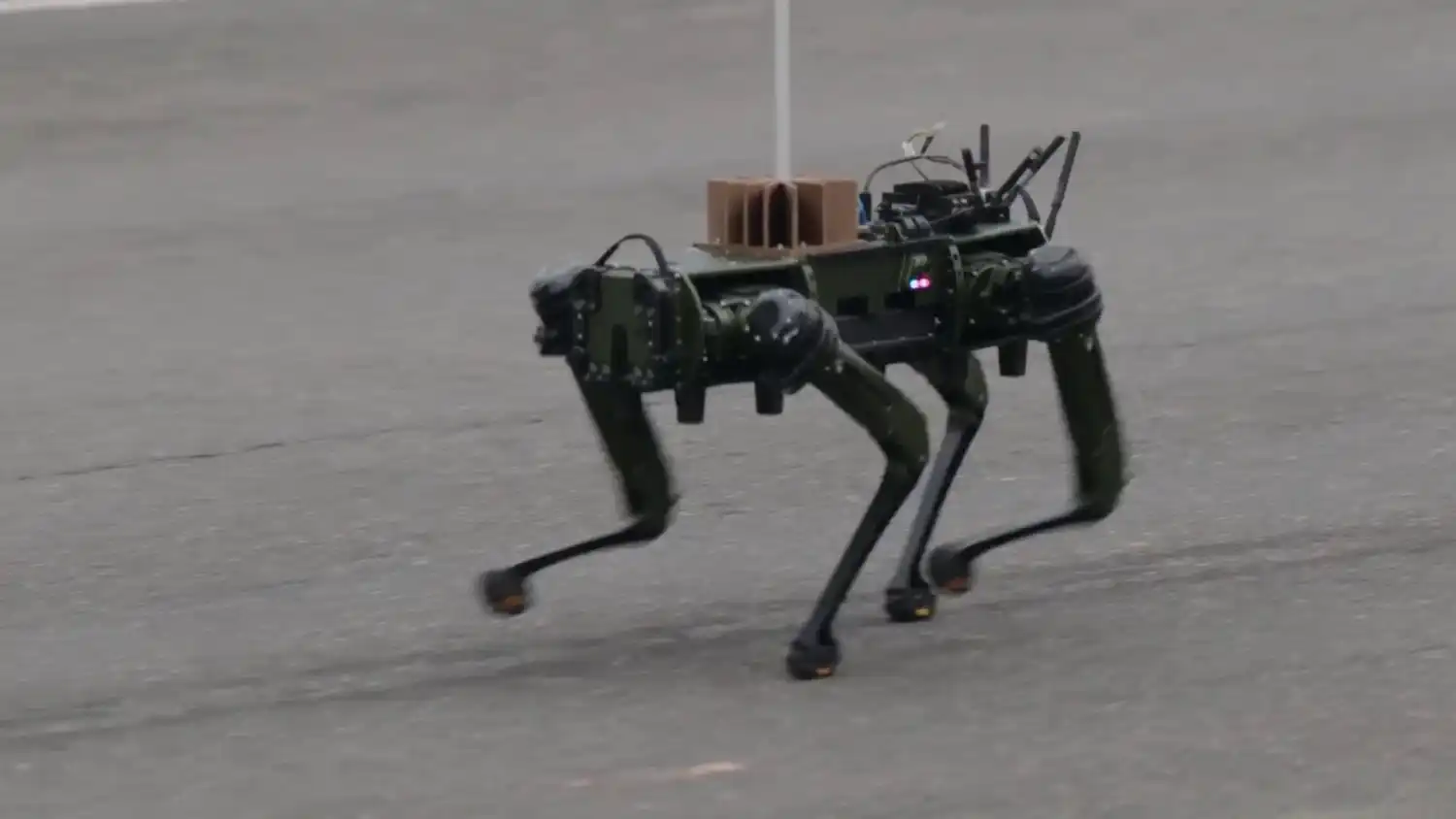
The parade introduced a new crowd favorite — robotic dog units, affectionately dubbed “mules” by the Army. Resembling mechanical canines with an uncanny lifelike agility, these robots are not simply novelties. They represent a paradigm shift in troop protection and combat support.
These robotic dogs are equipped with:
- Thermal and night vision cameras for surveillance
- Remote-controlled navigation for hostile environments
- Payload delivery mechanisms
- IED (Improvised Explosive Device) detection and disarmament tools
Designed to scout dangerous zones ahead of human soldiers, these units effectively remove troops from immediate harm, entering buildings, traversing minefields, and analyzing enemy territory before boots ever hit the ground. Their role in urban warfare is growing rapidly, especially in settings where human life is easily endangered by unpredictability.
The Army of 2030: Modernization in Motion
Behind the precision drills and ceremonial honors lies a robust transformation effort known as the Army of 2030. Spearheaded by elite divisions such as the 101st Airborne, this initiative focuses on integrating artificial intelligence, autonomous systems, cyber-electronic warfare, and counter-drone defense to meet the demands of modern battlefields.
Among the core elements of this modernization are:
- Electronic warfare equipment capable of disrupting enemy communications and UAVs
- High-speed, low-visibility data networks for battlefield intelligence
- Integrated drone-wingman technology in fifth-generation fighter jets
- Robotic logistics units capable of autonomous resupply and extraction missions
As officials highlighted during the parade, these technologies not only improve tactical outcomes but dramatically enhance soldier survivability and mission success.
Celebrating Power as a Deterrent
While critics questioned the optics of a high-tech military parade, others, including Velikovich, asserted that such public demonstrations serve a deeper strategic purpose. In an era defined by geopolitical unpredictability — with threats emanating from both traditional state actors and rogue elements — visibly projecting strength is a powerful deterrent.
“Enemies think twice when they see what we’re capable of,” Velikovich noted. “It’s not vanity. It’s strategy.”
The parade acts as a morale booster, not only for troops but also for a nation seeking renewed unity in times of uncertainty. With a resurgence in military recruitment numbers — over 61,000 new recruits under Defense Secretary Pete Hexath and President Donald Trump’s administration — these displays also inspire the next generation to serve.
From the Battlefield to the Homefront
Interestingly, many technologies showcased have dual civilian applications. Devices pioneered by Army engineers decades ago — from the Internet to GPS — are now commonplace in everyday life. The same may hold true for today’s military innovations.
As children along the parade route watched drones dance overhead and robotic dogs trot alongside soldiers, one could see awe in their faces. These machines, once alien, are rapidly becoming symbols of courage, safety, and the American spirit.
Honoring Legacy While Advancing Technology
This celebration wasn’t just about showcasing futuristic tech. It was also a deep tribute to the heroism and sacrifice of soldiers past and present. Medal of Honor recipients received special recognition, reinforcing the Army’s mission to preserve its heritage while charting a bold future.
General officers from divisions dating back centuries — including horse-mounted cavalry from the First Cavalry Division — marched side-by-side with robotic mules, offering a poignant visual narrative of where the Army began and where it’s headed.
Conclusion: A New Chapter in American Military Power
The integration of drones, robotic dogs, and autonomous systems into the public celebration of the Army’s 250th anniversary was not simply a technological display — it was a declaration of intent. As global threats evolve, so too must the tools we use to confront them. These demonstrations offered a transparent glimpse into the Army’s rapidly transforming arsenal, built not just to fight wars, but to prevent them.
By honoring tradition and embracing innovation, the United States Army is sending a clear message: the future of defense is intelligent, adaptable, and unrelentingly strong.
From the storied marches of the 101st Airborne to the silent hover of surveillance drones, the Army’s evolution remains a cornerstone of American strength and a beacon of national pride.