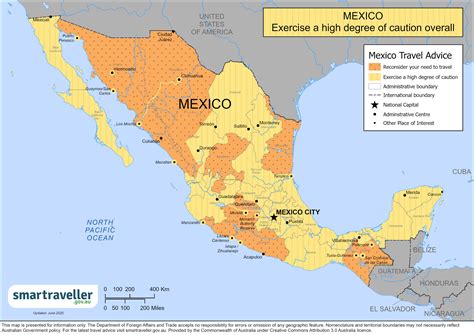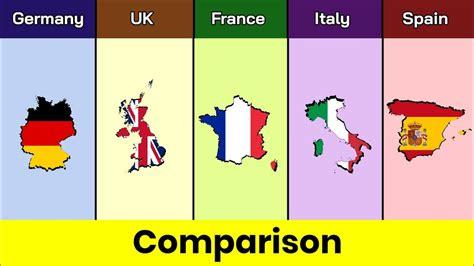
In a dramatic realignment of international travel sentiment, Germany has joined a growing coalition of countries—including the UK, Australia, Mexico, Canada, France, Italy, Spain, and Sweden—in cancelling or advising against trips to the United States. While this shift may initially appear as a diplomatic tremor, the undercurrents suggest something far more consequential: a deep-rooted unease with the U.S.’s increasingly complex and inconsistent border control systems. These nations are not merely recommending alternate destinations—they are issuing formal advisories, changing travel behavior, and nudging their citizens toward simpler, more transparent travel experiences elsewhere.
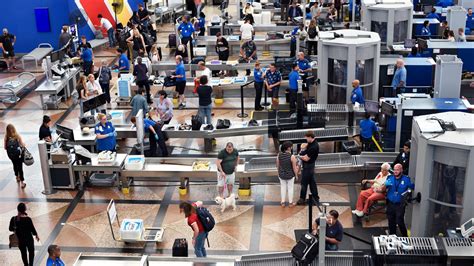
For decades, the United States was the gold standard for global tourism, luring millions with promises of iconic landmarks, cultural richness, and economic opportunity. But recent years have seen that shine dull. The erosion of predictability at U.S. ports of entry, coupled with sweeping policy shifts under the guise of national security, is now producing international backlash with real economic and diplomatic consequences.
Europe’s Travel Advisories Reflect a Broader Crisis of Trust
As of mid-June 2025, at least seven European countries have taken official action: Germany, the United Kingdom, France, Finland, Spain, Italy, and Denmark have either updated their travel portals or issued outright advisories cautioning their citizens against visiting the United States. Their concerns are not rooted in health pandemics, war zones, or natural disasters. Instead, they revolve around border inconsistencies, unexpected detentions, and new complications around personal documentation, particularly gender identity.
These nations, long-standing allies of the U.S., have taken the unusual step of issuing synchronized guidance that underscores a shared sentiment: the U.S. is no longer a seamless or reliably safe destination for their citizens.
The European Commission has remained diplomatically quiet, but its member states are taking decisive action. Across consulates in New York, Los Angeles, and Miami, embassy staff report a noticeable uptick in citizens being detained or questioned upon arrival—even when traveling with valid ESTA authorizations or full visas.
Germany’s Position Marks a Turning Point
Germany, known for its meticulous approach to diplomacy and governance, has issued one of the clearest and most severe advisories yet. Its warning references real cases of citizens—some holding green cards—being denied entry or detained for hours due to mismatched documentation or policy enforcement changes upon arrival.
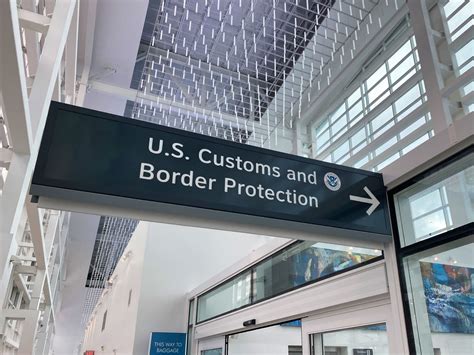
The issue here is not illegality or fraudulent documents, but a lack of uniform enforcement. German officials cite multiple instances where travelers with previously accepted documents were suddenly subjected to secondary screening, invasive questioning, or even denied entry. For a nation that prizes rule-based order, such unpredictability is unacceptable.
Berlin’s travel office didn’t mince words. The advisory explicitly states that “travelers should no longer assume consistency at U.S. borders, even with pre-approved documentation.”
The UK and France Issue Parallel Alerts with a Focus on Gender and Identity
Echoing Germany’s concerns, both the UK and France have also revised their travel guidance. The British Foreign Office warns of immigration delays, document discrepancies, and increased questioning at customs checkpoints. France highlights the growing issue around gender marker complications, noting that citizens identifying as transgender or non-binary may encounter unexpected scrutiny.
One particular sticking point is the U.S.’s rollback of the ‘X’ gender marker option, a designation permitted in many European countries but now inconsistently recognized by various U.S. federal departments. This has resulted in incidents where passengers, whose passports legally identify them as non-binary, were subjected to intrusive questioning or forced to wait for extended verifications at entry points.

A Flashpoint Over Identity Policy: The Gender Marker Conflict
Countries such as Finland, Spain, and Denmark are now openly warning that transgender and non-binary travelers are at heightened risk of border conflicts in the U.S.. These nations issue passports with gender markers including “X,” recognizing the legal rights of citizens who do not identify strictly as male or female.
However, the recent U.S. policy shift to deprioritize or eliminate recognition of these designations—especially within Customs and Border Protection (CBP) systems—has created friction between progressive European identity laws and conservative U.S. documentation rules.
This incongruity has led to multiple recorded incidents where individuals were pulled into questioning solely due to gender marker mismatches between their passport and flight information. In some cases, individuals were detained overnight pending “identity verification.”
The emotional toll on these travelers cannot be overstated. Several advocacy groups, including Human Rights Watch and Amnesty International, have begun compiling cases where travelers describe humiliation, fear, and trauma from their border experiences in the U.S.—all while holding valid documents.
Economic Fallout Looms Over the U.S. Tourism Industry
The immediate consequences of these travel advisories are economic. In 2024 alone, European visitors pumped more than $38 billion into the U.S. tourism economy, with countries like the UK, Germany, and France representing the lion’s share of that figure. With formal travel warnings now in place and alternate “easy trip” destinations like Japan, Thailand, or Portugal rising in popularity, a massive redirection of tourism revenue may soon follow.
What makes this trend even more dangerous is its snowball effect. As these warnings continue to circulate, both travelers and airlines begin recalibrating routes. Hospitality giants may begin diverting marketing budgets toward destinations seen as safer or more welcoming. Travel insurers may raise premiums for U.S.-bound tourists. The ripple effects are already visible in the sharp drop in summer bookings from Western Europe to the U.S., according to airline data leaked in May 2025.
Travel Providers Now Bear the Burden
In the wake of these diplomatic moves, the responsibility to navigate confusion has fallen on travel operators. Airlines are being advised to verify documents at point-of-check-in, not just for ticketing but for compatibility with U.S. immigration policies.
Some European carriers have begun issuing pre-departure alerts to passengers, warning them of possible secondary inspections, delays, or entry refusal upon landing in America. Travel agents are now advised to screen for potential red flags—including the presence of non-binary gender markers or previously expired visas, even if new approvals exist.
Hotels, too, are feeling the heat. International chains in the U.S. report increased cancellations from European guests. Many cite “entry concerns” or “travel policy warnings” as their reason for backing out of summer plans.
Alternative Destinations Seize the Opportunity
As the U.S. grapples with this image crisis, other nations are stepping in to fill the gap. Countries like Portugal, Thailand, South Korea, and Costa Rica have ramped up promotional campaigns emphasizing hassle-free entry, respect for documentation, and inclusive travel experiences.
Travel publications across Europe now regularly feature top ten lists of “Easiest Countries to Travel in 2025”—and the United States is glaringly absent. Instead, cities like Lisbon, Tokyo, and Melbourne are reaping the rewards of newfound traveler confidence.

These “easy trips” offer what the U.S. currently lacks: clarity. The rules are simple. The processes are uniform. And most importantly, travelers know what to expect when they arrive.
A Diplomatic Warning Hidden in Plain Sight
What makes this entire development particularly profound is its quiet execution. There were no fiery press conferences or explosive declarations. No retaliatory measures from Washington. Just a steady, growing stream of advisories and policy updates, each one reinforcing the last.
This isn’t sensationalism. It’s a clear message. The world’s leading democracies are no longer willing to send their citizens blindly into an increasingly opaque U.S. immigration system.
And unless decisive action is taken—whether it’s reinstating harmonized documentation policies, improving transparency at ports of entry, or reintroducing the “X” gender option—the United States risks a deeper erosion of trust from its most loyal visitors.
Conclusion: A Crossroads for American Travel Diplomacy
The international travel community is now watching closely. Will the United States respond with reforms, outreach, and a commitment to clear and inclusive entry processes? Or will it continue down a path where even its allies must warn their citizens to tread carefully?
The answer will determine whether the current wave of cancellations and travel warnings becomes a temporary correction—or a long-term redirection of global tourism flow.
What’s clear is this: Germany, the UK, France, and others are not waiting for change. They’re already choosing easier shores.