
Japan Airlines is confronting an unusual challenge that runs counter to global travel trends: young people in Japan are increasingly choosing not to travel abroad. While airlines in North America and Europe are racing to keep up with surging international demand from younger travelers, Japan’s flag carrier finds itself navigating a quieter, more introspective market at home. This shift is not merely a fleeting preference but a structural change shaped by economics, culture, and generational priorities, with implications that stretch beyond aviation into the broader Japanese economy.
International travel has long been viewed in Japan as a rite of passage and a symbol of outward-looking ambition. Today, however, that assumption is being tested. Japan Airlines President Mitsuko Tottori has openly described the trend as one of the airline’s most pressing long-term concerns, warning that a sustained lack of outbound travel among younger citizens could dampen economic growth. Her concern reflects the airline’s traditional reliance on balanced two-way traffic, where Japanese travelers heading overseas help stabilize routes that also serve inbound tourists.
The most immediate force behind this shift is the historically weak Japanese yen, which has dramatically reduced the purchasing power of Japanese travelers abroad. Destinations such as the United States and Europe, already grappling with post-pandemic inflation, have become prohibitively expensive for young people whose wages have not kept pace with rising global costs. Flights, accommodation, food, and even basic transportation now feel like luxury purchases rather than attainable experiences. For a generation facing stagnant incomes and growing job insecurity, international travel is often the first expense to be cut.
At the same time, domestic travel within Japan has never looked more appealing. The country offers extraordinary regional diversity, efficient transportation, and a cultural richness that rivals any overseas destination. Young travelers are increasingly channeling their limited budgets into local trips that promise depth without the currency shock. This internal circulation of tourism spending has quietly strengthened regional economies, even as outbound numbers remain subdued.
A Strategic Concern for Japan Airlines’ Leadership
From the airline’s perspective, the decline in young outbound travelers presents a strategic dilemma. International routes depend on consistent demand from both locals and foreign visitors to remain profitable year-round. Japan Airlines has responded with targeted initiatives designed to lower the barrier to entry for younger passengers. Discounted programs such as the DREAM MILES PASS and JAL Card Skymate aim to make overseas travel feel achievable again, while marketing collaborations leverage cultural icons to rekindle curiosity about the wider world.
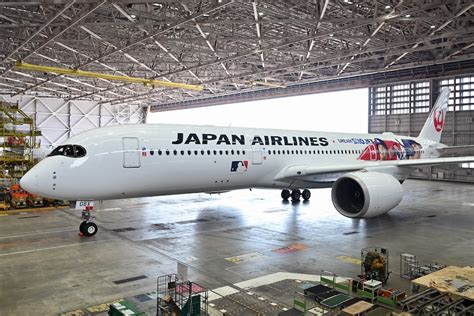
The decision to feature Shohei Ohtani on a specially painted aircraft is more than a branding exercise. It reflects an effort to connect international travel with aspiration, global relevance, and youth culture. Yet even such high-profile gestures face an uphill battle against economic realities that cannot be solved by inspiration alone.
The Yen’s Double-Edged Sword for Tourism
The weak yen has created a paradox. While it discourages Japanese citizens from traveling abroad, it has fueled a historic boom in inbound tourism. Japan is welcoming record numbers of foreign visitors drawn by favorable exchange rates, relatively affordable luxury experiences, and pent-up travel demand. Hotels are full, regional airports are busier than ever, and airlines benefit from strong inbound loads that partially offset softer outbound demand.
This imbalance raises an important question: is the decline in young outbound travel truly harmful to Japan’s economy as a whole? From a macroeconomic perspective, domestic spending by Japanese travelers combined with foreign money flowing into the country forms a powerful economic engine. The challenge lies less in tourism revenue and more in the long-term cultural and commercial value of international exposure for younger generations.
Hawaii and the Collapse of a Once-Iconic Market
Nowhere is the impact more visible than in the Japan–Hawaii travel market, once a cornerstone of Japanese outbound tourism. Skyrocketing hotel rates, higher airfares, and unfavorable exchange rates have dramatically reduced demand, particularly among younger travelers. What was once an aspirational yet accessible destination has become financially out of reach, and the generational attachment to Hawaii appears to be fading rather than temporarily paused.

For Japan Airlines, this shift forces a reassessment of route priorities and fleet deployment. Some markets may never fully recover to their former levels, especially if younger travelers do not develop the same emotional connection to overseas destinations as previous generations did.
A Generational Redefinition of Travel
Ultimately, the story unfolding at Japan Airlines is less about a lack of curiosity and more about a redefinition of value. Young Japanese travelers are pragmatic, cost-conscious, and deeply aware of financial trade-offs. Their preference for domestic travel reflects rational decision-making rather than insularity. While this trend complicates long-term planning for airlines built on global mobility, it also highlights how economic conditions shape cultural behavior in subtle but lasting ways.
Japan Airlines’ challenge, then, is not simply to sell tickets but to navigate a generational shift in priorities. The airline stands at the intersection of global ambition and local realism, adapting to a world where international travel is no longer assumed, but carefully chosen.