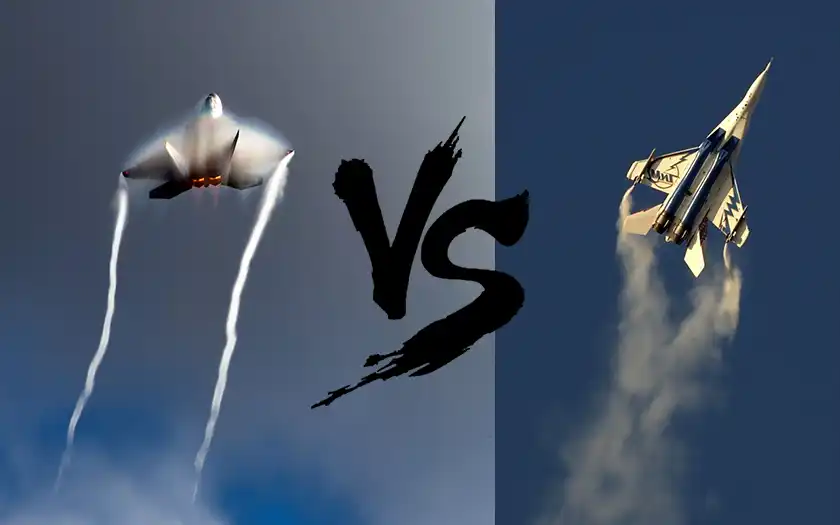
The F-22 Raptor and the MiG-29 Fulcrum represent two distinct generations of fighter aircraft, each embodying the technological and strategic priorities of their respective nations. The F-22, developed by the United States, is a fifth-generation stealth fighter designed for absolute air dominance, while the MiG-29, a Soviet-era fourth-generation frontline fighter, was built for short-range air superiority and ground attack support. This article examines their differences in design philosophy, performance parameters, combat effectiveness, and strategic deployment.
Generational Differences and Design Objectives
F-22 Raptor: The Apex of Fifth-Generation Air Superiority
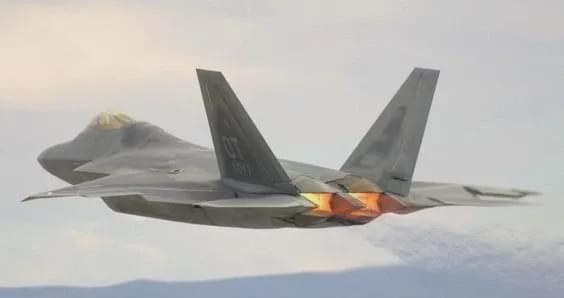
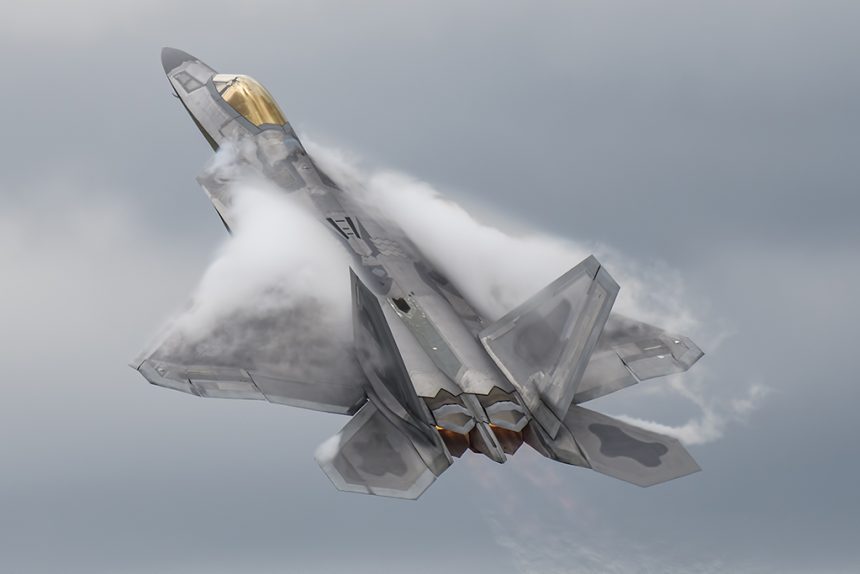
The F-22 Raptor was the world’s first operational fifth-generation stealth fighter, designed to dominate the skies by eliminating threats before detection. Developed by Lockheed Martin, it incorporates stealth technology, supercruise capability, and an advanced avionics suite to achieve air superiority against any adversary. Its radar cross-section (RCS) is approximately 0.01 square meters, making it virtually invisible to conventional radar.
MiG-29 Fulcrum: Soviet-Era Air Superiority Fighter
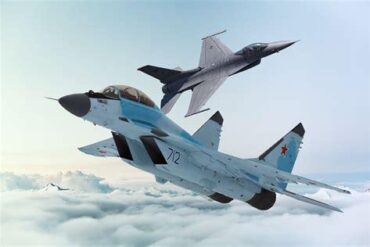
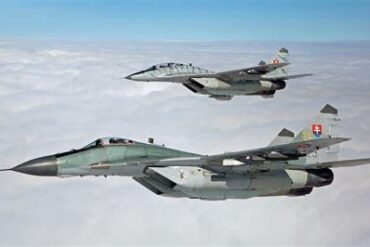
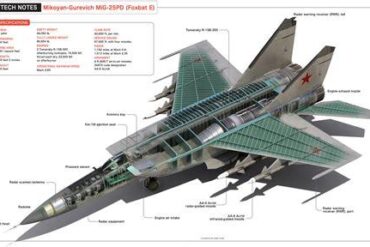
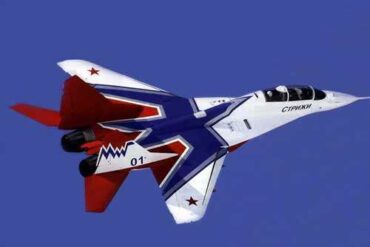
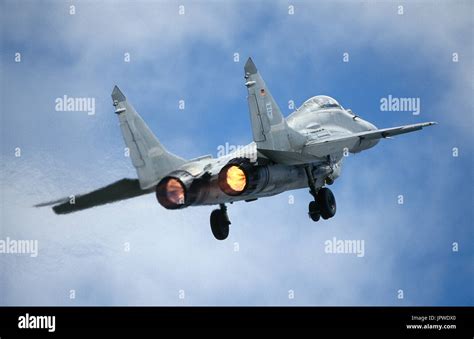
The MiG-29 Fulcrum, developed by Mikoyan in the late 1970s, was designed as a cost-effective frontline fighter to counter NATO aircraft like the F-16 Fighting Falcon. While known for its high maneuverability and superior dogfighting capabilities, it lacks stealth and depends on ground-based radar support for situational awareness.
Performance Comparison
Stealth Capabilities
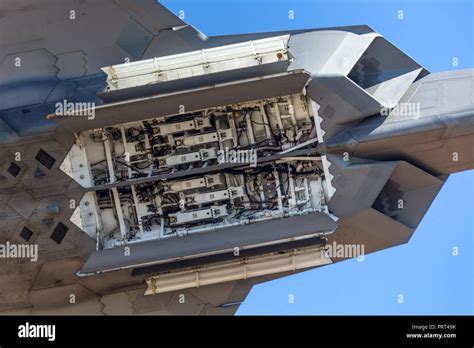
- The F-22 employs diamond-shaped fuselage, radar-absorbing coatings, and internal weapons bays, drastically reducing its radar visibility.
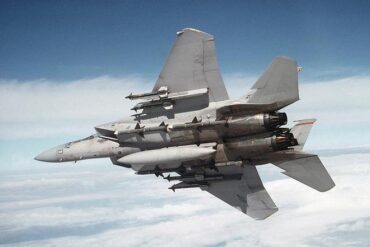
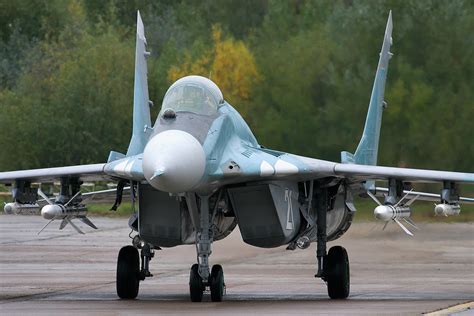
- The MiG-29 follows a traditional aerodynamic design with external weapon pylons, increasing its radar cross-section and making it easier to detect at long ranges.
Thrust and Maneuverability
- The F-22 is powered by twin F119-PW-100 engines with thrust vectoring nozzles, allowing for post-stall maneuvers and unmatched agility.
- The MiG-29’s RD-33 engines provide impressive thrust-to-weight ratio, enabling high maneuverability, but lack thrust vectoring, limiting its effectiveness in modern air combat.
Weapons and Combat Systems
- F-22 Weapon Systems
- Internal Weapons Bay: 6x AIM-120 AMRAAM, 2x AIM-9 Sidewinder
- M61A2 Vulcan 20mm Cannon
- Advanced Electronic Warfare Systems
- MiG-29 Weapon Systems
- External Weapons Mounts: 6x R-73 Archer, 4x R-27 Alamo
- GSh-30-1 30mm Cannon
- Helmet-Mounted Display (HMD) for close combat targeting
Combat Effectiveness and Operational History
Beyond-Visual-Range (BVR) Engagements
The F-22’s AN/APG-77 AESA radar can detect and engage targets up to 400 km away, while its stealth prevents early enemy detection. In contrast, the MiG-29 relies on mechanically scanned radar, significantly limiting its BVR effectiveness. In simulated combat scenarios, the F-22 has achieved an exchange ratio of 144:0 against fourth-generation aircraft.
Close-Range Dogfighting Capabilities
While the MiG-29 excels in short-range combat, utilizing its HMD and R-73 missiles, the F-22 counters with superior agility, thrust vectoring, and sensor fusion technology that enhances situational awareness. The F-22’s EODAS (Electro-Optical Distributed Aperture System) allows pilots to track multiple threats simultaneously, reducing the MiG-29’s advantage in close combat.

Cost, Deployment, and Strategic Value
F-22 Raptor: High Cost, Limited Deployment
- Unit Cost: ~$150 million (2009)
- Production Units: 187
- Operational Limitation: High maintenance demands, requiring temperature-controlled hangars
MiG-29: Affordable, Mass-Produced Fighter
- Unit Cost: ~$20 million
- Production Units: Over 1,600
- Operational Deployment: Used by over 25 countries, adaptable for multiple roles
Strategic Value and Future Prospects
The F-22 remains a cornerstone of U.S. air superiority, but its high costs and limited availability restrict its widespread deployment. The MiG-29, though outdated against modern stealth fighters, continues to serve in many air forces, with upgraded versions like the MiG-35 improving avionics and combat capabilities. However, even these modifications cannot close the gap against fifth-generation aircraft.
Conclusion
The F-22 vs. MiG-29 comparison highlights the technological gap between fifth- and fourth-generation aircraft. The F-22 dominates in stealth, avionics, and beyond-visual-range combat, making it virtually untouchable in modern warfare. The MiG-29, despite its agility and affordability, is outclassed by advanced sensor fusion, superior missiles, and low observability. This generational divide showcases the evolution of aerial warfare, where stealth and situational awareness outweigh raw maneuverability.
FAQ
1. Can the MiG-29 defeat the F-22 in a dogfight?
While the MiG-29 has high agility, the F-22’s thrust vectoring, sensor fusion, and superior avionics give it the upper hand in both close-range and long-range engagements.
2. Why was the F-22 production limited to 187 units?
The F-22’s high production and maintenance costs, along with shifting defense priorities toward multi-role fighters like the F-35, led to the early termination of production.
3. How does the MiG-35 compare to the F-22?
The MiG-35 is an upgraded version of the MiG-29 with improved avionics and weapon systems, but it still lacks stealth technology and cannot compete with the F-22’s advanced capabilities in modern warfare.