Design Philosophy and Operational Roles
The F/A-18 Hornet and the MiG-29 Fulcrum were developed with vastly different design philosophies, reflecting the strategic needs of their respective nations.
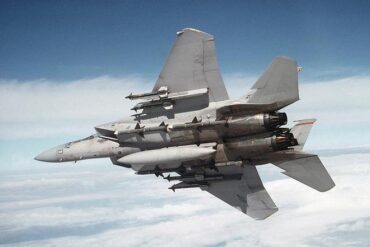
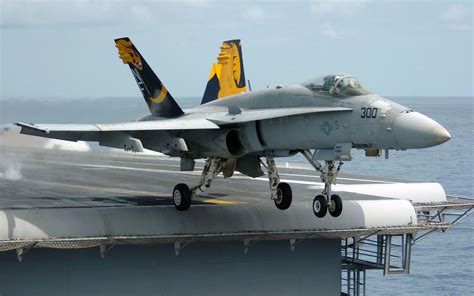
The F/A-18, designed by McDonnell Douglas (now Boeing), serves as a multirole carrier-based fighter for the U.S. Navy. Built for versatility, it integrates air-to-air combat, ground attack, reconnaissance, and electronic warfare capabilities. Its robust structure is optimized for carrier operations, featuring reinforced landing gear and a durable airframe to withstand repeated catapult launches and arrested recoveries.
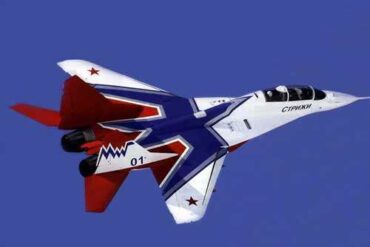
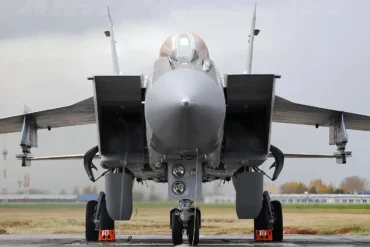
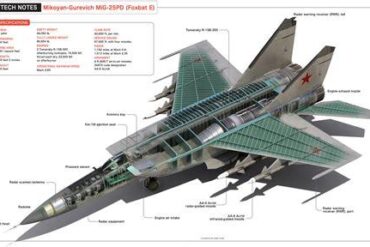
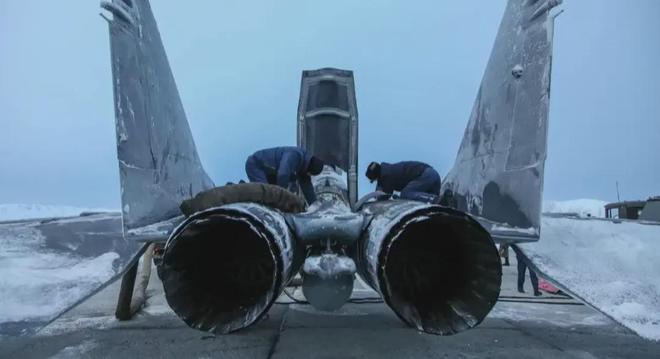
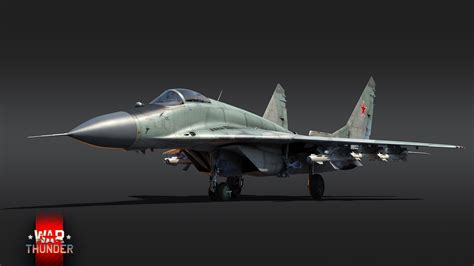
In contrast, the MiG-29, developed by the Mikoyan Design Bureau in the Soviet Union, was conceived as a lightweight air superiority fighter. Focused on maneuverability and short-range interception, the aircraft boasts a high thrust-to-weight ratio and an aerodynamic wing-body fusion design that enhances its agility in dogfights. Initially envisioned as a frontline fighter, it was developed alongside the heavier Su-27 to counter Western aircraft such as the F-15 Eagle and F-16 Fighting Falcon.
Combat Performance
Close-Range Dogfights
The MiG-29 is a formidable adversary in within-visual-range (WVR) combat. Its helmet-mounted display (HMD) combined with R-73 Archer missiles allows pilots to lock onto targets at extreme off-boresight angles, giving it a crucial advantage in dogfights. During joint NATO exercises in the 1990s, German MiG-29s consistently outperformed F/A-18s and F-16s in simulated close-quarters combat, forcing U.S. pilots to avoid prolonged engagements against the Fulcrum.
Beyond-Visual-Range (BVR) Combat
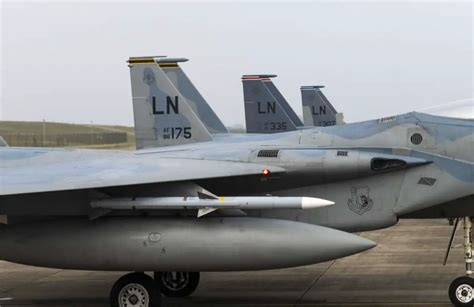
While the MiG-29 dominates in close combat, the F/A-18 gains the upper hand in beyond-visual-range (BVR) engagements. Equipped with an AN/APG-79 AESA radar and AIM-120 AMRAAM missiles, the F/A-18 excels at detecting and engaging targets from long distances. This radar advantage compensates for the Hornet’s lower top speed (Mach 1.8 vs. MiG-29’s Mach 2.3), allowing it to neutralize threats before entering dogfight range.
Logistics and Maintenance
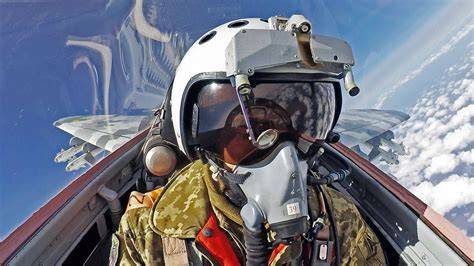
The MiG-29’s simpler design and Soviet-era logistical compatibility make it easier to maintain for nations with existing Russian military infrastructure. Countries such as Ukraine continue to operate legacy MiG-29s due to the availability of spare parts and established maintenance systems.
In contrast, the F/A-18 requires advanced maintenance facilities and highly trained personnel. This limits its practicality in nations without robust technical support. An example of this limitation arose when Ukraine declined an offer of Australian F/A-18s due to high operational costs and extensive training requirements.
Modern Upgrades and Variants
F/A-18E/F Super Hornet
The Super Hornet, an upgraded version of the F/A-18, features larger fuel capacity, improved avionics, and reduced radar cross-section for enhanced survivability. It carries a significantly greater payload (6,215 kg external load capacity), increasing its effectiveness in strike missions.
MiG-35
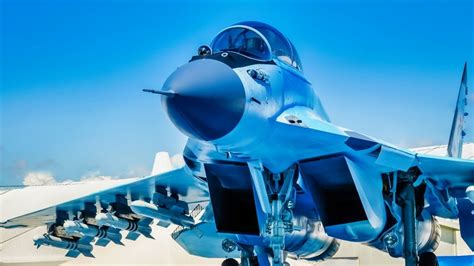
The MiG-35, an advanced iteration of the MiG-29, narrows the technological gap with Western fighters. Equipped with an AESA radar, upgraded engines, and compatibility with modern air-to-air missiles (R-77 and R-37M), the MiG-35 enhances the Fulcrum’s situational awareness and multirole capabilities. However, despite these upgrades, it still lacks the extensive combat-proven track record of Western platforms.
Strategic Implications
The F/A-18’s versatility makes it an asset in modern asymmetric warfare. Its ability to conduct strike missions, electronic warfare, and aerial combat allows it to operate effectively in diverse conflict zones, including the Middle East and Indo-Pacific regions.
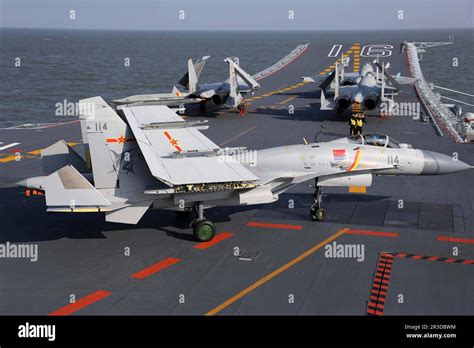
Conversely, the MiG-29 remains focused on air dominance. Designed for high-intensity engagements, it thrives in contested airspace, where agility and rapid response capabilities are critical. The emergence of China’s J-15, a carrier-based fighter derived from the Su-33 (a MiG-29 cousin), presents new challenges for Western naval aviation, pushing the need for further advancements in F/A-18 capabilities.
Conclusion: Context Determines Superiority
There is no definitive answer to which aircraft is superior—the F/A-18 and MiG-29 excel in different operational environments. The F/A-18’s carrier compatibility, electronic warfare systems, and BVR combat effectiveness make it ideal for multirole missions in complex conflicts. Meanwhile, the MiG-29’s agility, superior dogfighting capabilities, and cost-effective maintenance render it a valuable air superiority fighter in traditional battlefield engagements. The continued development of variants such as the Super Hornet and MiG-35 further blurs the lines, emphasizing the importance of mission-specific requirements in determining operational effectiveness.
FAQ
1. Which aircraft is better for dogfighting?
The MiG-29 holds the advantage in within-visual-range combat due to its superior maneuverability, thrust-to-weight ratio, and HMD-linked R-73 missiles, which allow it to engage targets at extreme angles.
2. Why is the F/A-18 considered more versatile?
The F/A-18 integrates multirole capabilities, excelling in air-to-air combat, ground attack, and reconnaissance missions. Its advanced avionics, radar, and electronic warfare systems provide strategic advantages in modern conflict zones.
3. How do modern variants compare to their predecessors?
The F/A-18E/F Super Hornet offers enhanced fuel capacity, radar improvements, and a larger weapons payload, making it superior to the original F/A-18. Similarly, the MiG-35 features upgraded avionics, AESA radar, and compatibility with modern air-to-air missiles, improving upon the legacy MiG-29.
Both aircraft remain relevant today, with their effectiveness dictated by strategic needs and operational environments.