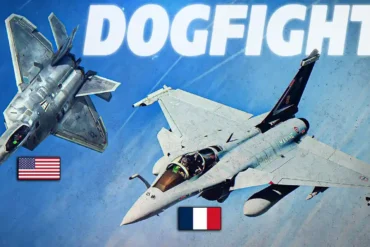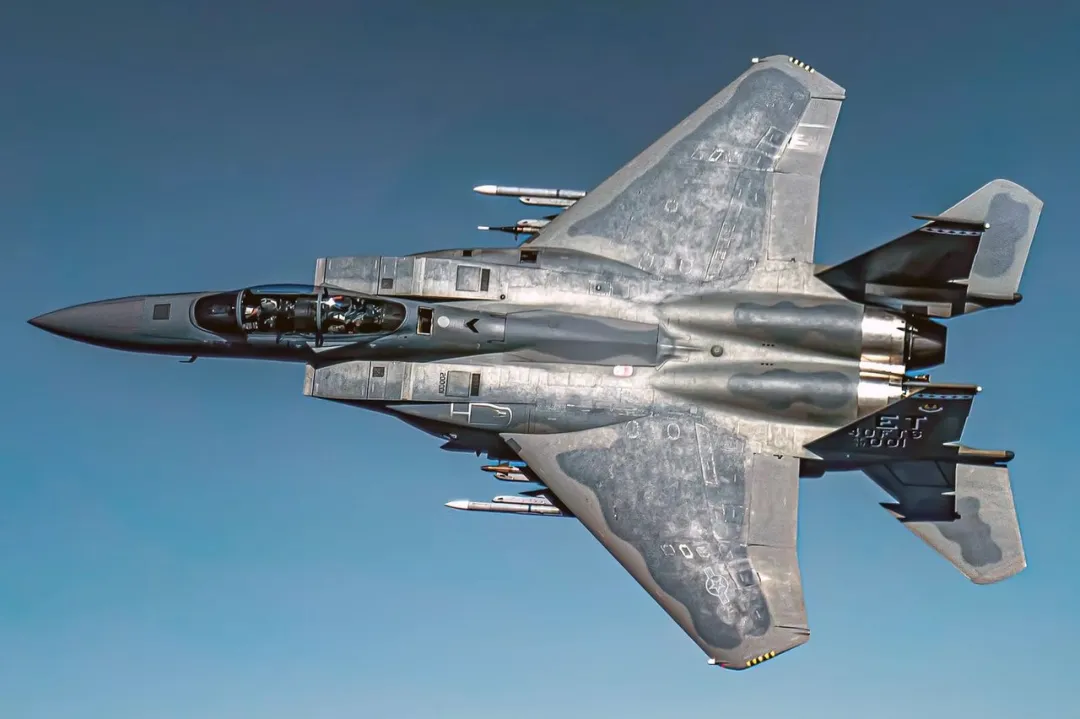
The F-18 (F/A-18) and F-15 are two of the most iconic fighter aircraft developed by the United States, representing the pinnacle of aerial combat capability for both the Air Force and the Navy. While both aircraft are built for superiority in the skies, they are designed with different operational roles, features, and capabilities that reflect the unique requirements of their respective services. This in-depth comparison will explore these differences in design, mission scope, performance, and operational strengths, helping us understand how these aircraft complement one another in the broader context of military aviation.
Design and Role Differentiation
F-15: Dominance in Air Superiority
The F-15 Eagle was designed primarily for air superiority, a role that emphasizes long-range intercept capabilities, high-speed engagements, and excellent maneuverability. Its development by McDonnell Douglas (now part of Boeing) began in the 1960s with the specific goal of countering the growing Soviet air threat during the Cold War. The F-15 is a twin-engine, heavyweight fighter capable of carrying a large payload and engaging enemy aircraft at long ranges, making it a formidable force in aerial combat.
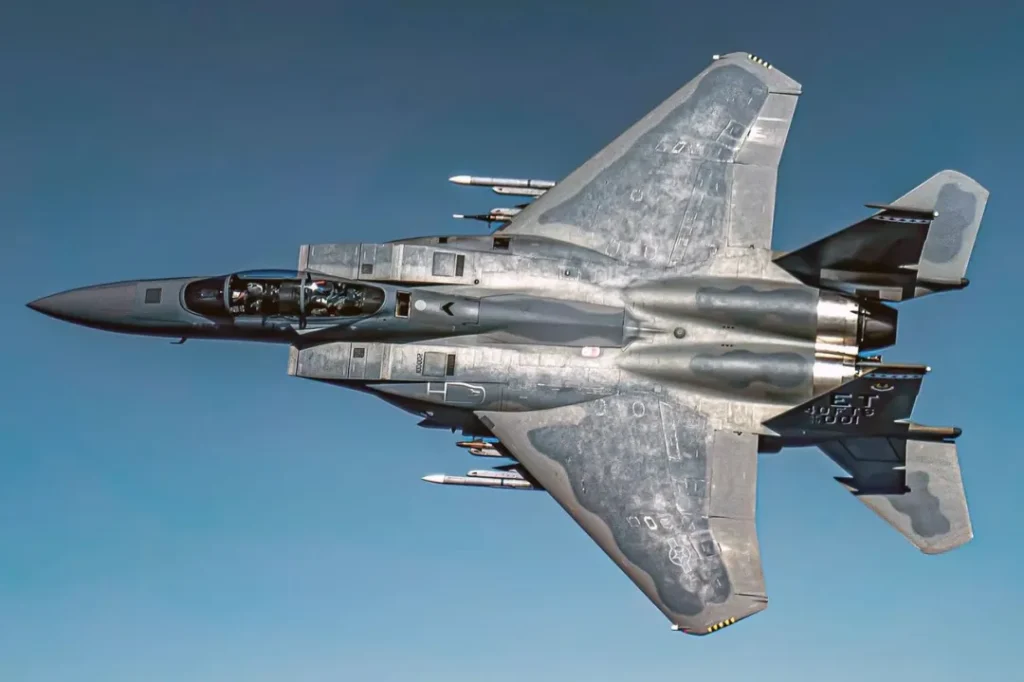
The F-15 focuses on establishing air dominance through superior speed, altitude, and combat radius. Equipped with powerful radar systems like the AN/APG-70 and AN/APG-63 radars, the F-15 can track and engage multiple targets at extremely long distances, typically using the AIM-120 AMRAAM for beyond-visual-range (BVR) combat. Its combination of high thrust-to-weight ratio, large wing surface, and advanced avionics make the F-15 a powerhouse in both high-altitude interceptions and close-in dogfighting.
The F-15E Strike Eagle variant expands the aircraft’s capabilities, adding precision strike capabilities for ground and air interdiction, but it remains rooted in air superiority, making it highly versatile in both offensive and defensive air operations.
F-18: Multi-Role Versatility with Naval Adaptation
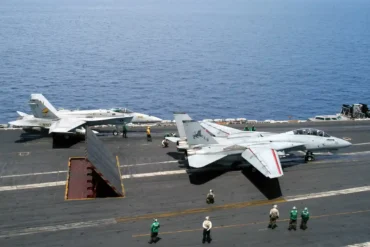
On the other hand, the F-18 Hornet, and its more advanced variant, the F/A-18E/F Super Hornet, was designed primarily for the U.S. Navy and the unique challenges posed by carrier-based operations. As a multi-role fighter, the F-18 is not limited to air superiority but also excels in ground attack, anti-ship missions, and electronic warfare. This versatility is essential for naval operations, where aircraft must perform a wide range of duties within a confined space.
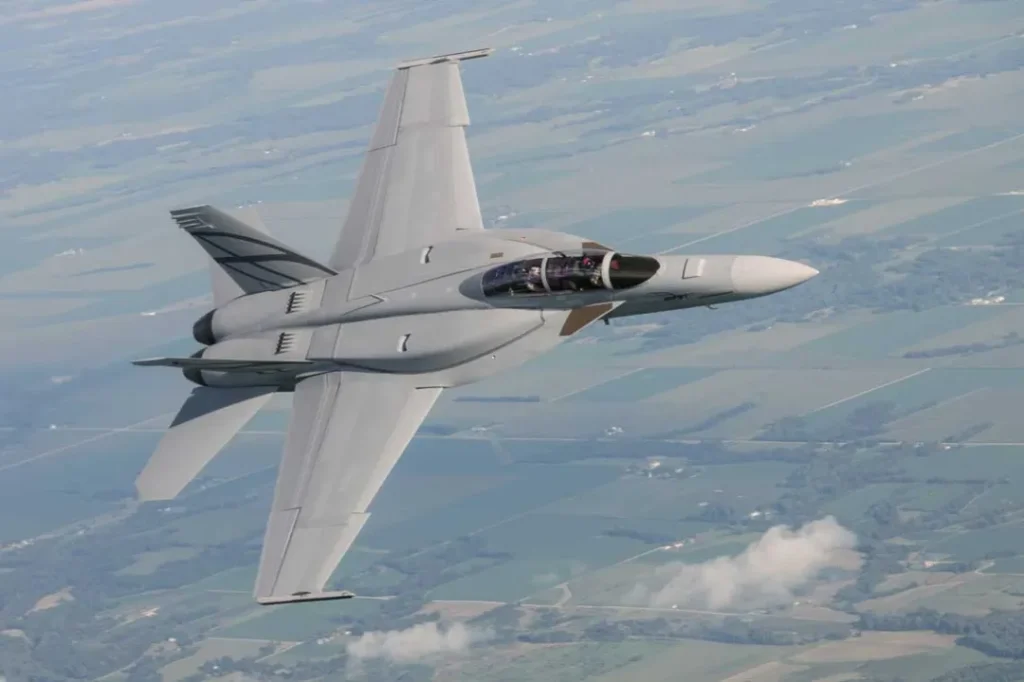
The F-18’s most notable features include short takeoff and landing (STOL) capabilities, making it highly suitable for aircraft carrier operations where limited runway space is available. It can carry a variety of payloads, including precision-guided bombs, anti-ship missiles like the AGM-84 Harpoon, and electronic warfare pods, giving it a level of adaptability that the F-15 cannot match.
In its Super Hornet configuration, the F-18 features enhanced engines (F414 turbofans) and advanced radar systems like the AN/APG-79 AESA radar, significantly boosting its combat radius, payload capacity, and overall mission flexibility. This version of the F-18 is a vital asset to the U.S. Navy, capable of executing air superiority missions, strike operations, and anti-submarine warfare missions.
Maneuverability and Combat Performance
F-15: Speed and High-Altitude Superiority
In terms of air combat maneuverability, the F-15 is designed for engagements at high altitudes and long ranges, where its superior speed and high thrust-to-weight ratio come into play. This configuration allows the F-15 to intercept and destroy enemy aircraft before they can engage in close combat. The aircraft’s large wings and powerful engines enable it to perform well in high-speed maneuvers and vertical combat, where energy management is critical.
However, one of the F-15’s limitations is its turning radius. While it excels in straight-line speed and vertical combat, the aircraft’s low-speed maneuverability is not as agile as that of some other fighter jets. This trait has been noted in its combat performance, where the aircraft relies heavily on radar-guided missiles and long-range tactics rather than close-quarter dogfighting.
F-18: Close-Combat and Agility
In contrast, the F-18 is known for its excellent low-speed handling and close-combat agility. Designed for carrier-based operations, it was built to take off and land in shorter distances and perform well in close-range engagements, particularly at low altitudes. The F-18’s canard-delta wing design and lightweight structure provide it with superb maneuverability, especially at high angles of attack, such as when executing a Cobra maneuver.
Although the F-18’s acceleration and climb rate are lower than the F-15’s, its agility in close-quarter combat gives it an advantage in certain scenarios, such as when engaging in dogfights. Its ability to maintain control during aggressive post-stall maneuvers and high-angle-of-attack positions gives the F-18 a distinct edge in one-on-one engagements at shorter ranges.
Multi-Role Capability and Mission Adaptability
F-15: Focus on Air Superiority and Precision Strike
The F-15’s primary mission is air superiority, which it executes with unmatched performance in intercepting enemy aircraft and controlling the skies. The F-15C/D versions are specifically designed for BVR combat, with powerful radar systems and the ability to engage enemy aircraft well beyond visual range. These variants excel in defending airspace and engaging threats at long distances.

However, with the development of the F-15E Strike Eagle, the platform evolved to carry out multi-role missions, including ground attack and deep strike operations. The F-15E retains all the air superiority features of the original F-15 but adds precision strike capabilities, making it an excellent choice for close air support and strategic bombing missions.
F-18: Built for Versatility and Adaptability
The F-18’s greatest strength lies in its multi-role flexibility, making it an ideal choice for naval operations where a single platform must perform a wide variety of missions. The aircraft can be equipped with various payloads, including air-to-air missiles, anti-ship missiles, precision bombs, and electronic warfare pods. This versatility allows the F-18 to adapt to air superiority, ground strike, and anti-shipping missions with ease.
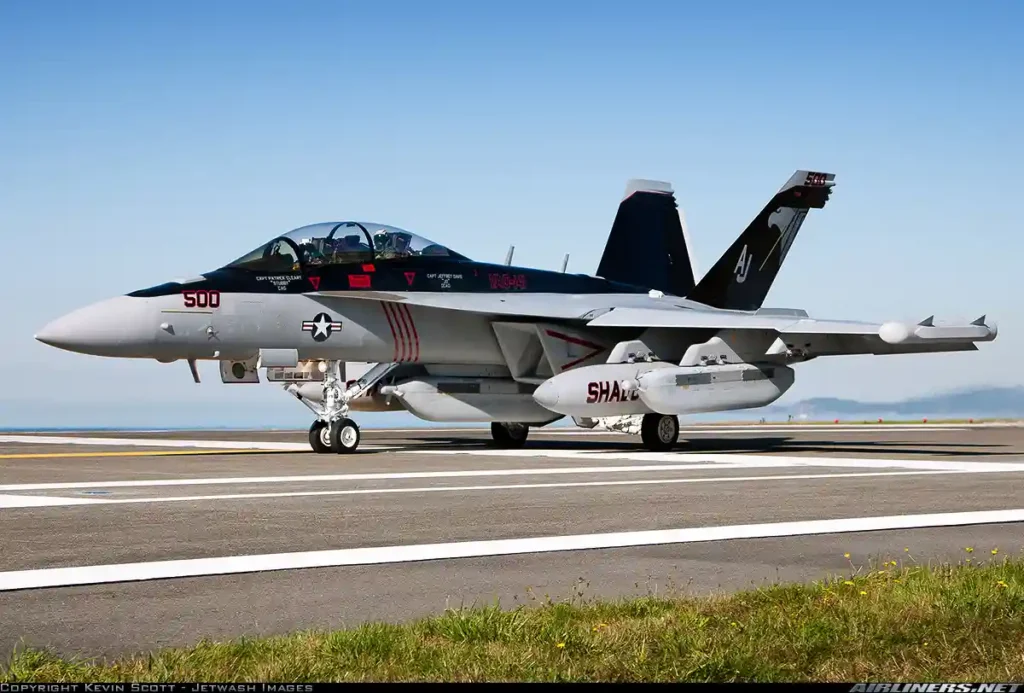
In addition to its multi-role capabilities, the F-18 serves a critical role in electronic warfare. The EA-18G Growler, a variant of the Super Hornet, specializes in jamming enemy radar systems and conducting electronic attacks. This role is essential in modern warfare, where electronic warfare is often as important as physical combat.
Upgrades and Modernization
F-15: The Eagle Gets an Upgrade
The F-15 has undergone significant modernization, with the most recent version being the F-15EX, a cutting-edge fighter that integrates fifth-generation technologies. The F-15EX incorporates advanced AESA radar, next-gen avionics, and digital cockpit systems, bringing the aircraft closer to modern standards without requiring a complete redesign. The F-15EX can carry more weapons, including precision-guided bombs, and has a significantly extended combat radius of up to 3900 km, making it a formidable asset for both air superiority and strategic strike missions.
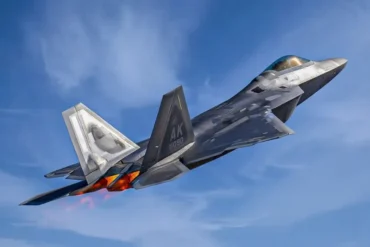
The introduction of the F-15EX allows the F-15 to continue serving as a high-performance fighter in the modern era, complementing the role of newer aircraft like the F-22 Raptor and F-35 Lightning II.
F-18: The Super Hornet’s Evolution
The F/A-18E/F Super Hornet is a major upgrade over the original F-18 Hornet, featuring larger airframes, newer engines (F414 turbofans), and advanced avionics, including the AN/APG-79 AESA radar. These upgrades significantly improve the aircraft’s combat radius, payload capacity, and mission versatility. The Super Hornet can carry more fuel, weapons, and even stealthy munitions, making it an even more valuable tool for carrier-based air operations.
Additionally, the F-18 family has a direct path to future capabilities, such as the EA-18G Growler for electronic warfare missions, cementing its role as an integral part of the U.S. Navy’s naval combat strategy.
Conclusion: Complementary Strengths in Modern Warfare
While both the F-15 and F-18 are designed to achieve air superiority, their roles and design philosophies differ significantly. The F-15 is the ideal choice for long-range air superiority missions, dominating the skies with its advanced radar and missile systems. It is the top performer in high-altitude interception and BVR combat, with a proven track record in air combat.
In contrast, the F-18 excels in its multi-role capabilities, offering unmatched versatility in naval operations. It performs exceptionally well in both close combat and multi-domain warfare, making it indispensable for the U.S. Navy and allied naval forces.
Ultimately, the F-15 is the king of the skies in terms of air superiority, while the F-18 serves as a carrier-based powerhouse capable of executing a wide range of missions across air, sea, and land. Together, they form a complementary force that strengthens U.S. military aviation in both land-based and naval operations.