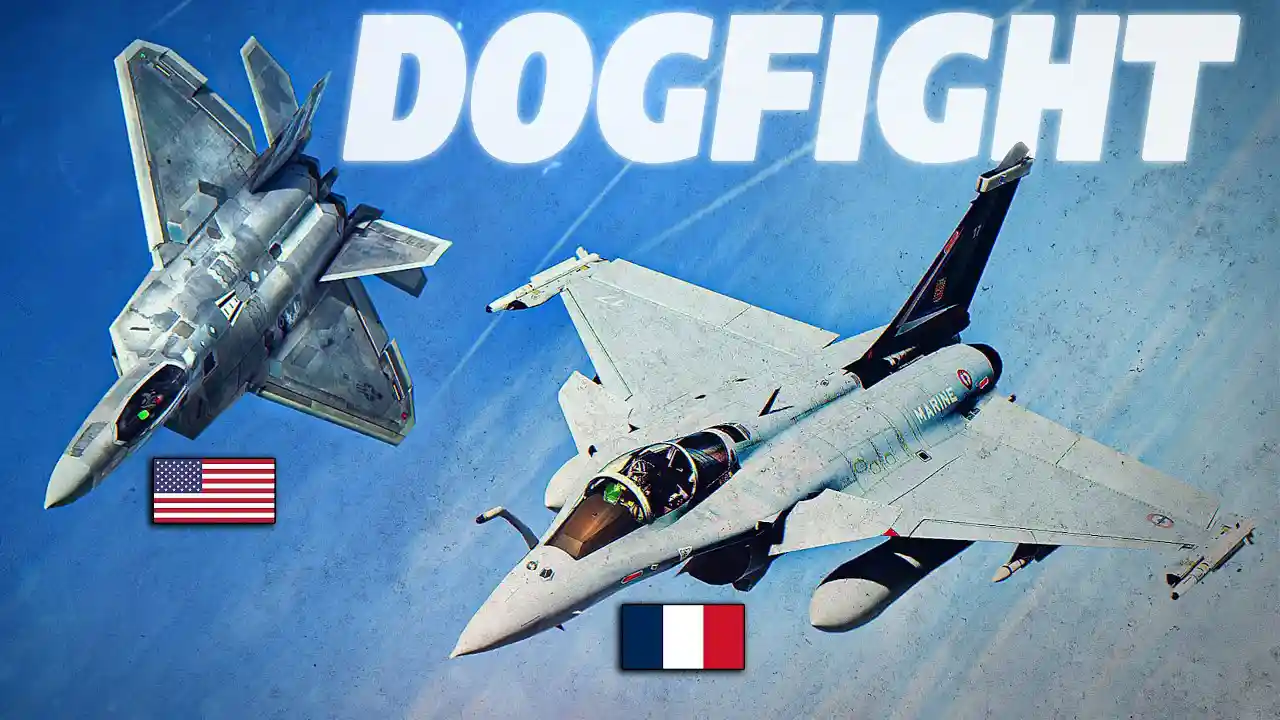
In the world of advanced fighter jets, few aircraft are as revered as the F-22 Raptor and the Dassault Rafale. Both represent cutting-edge engineering from two different nations, each crafted for distinct purposes. The F-22, developed by the United States, is a 5th generation fighter that combines stealth, supercruise, and unmatched maneuverability. The Rafale, on the other hand, is a versatile 4.5-generation multirole fighter from France, known for its adaptability across various combat scenarios. In this article, we will analyze and compare these two remarkable aircraft based on their design, capabilities, and performance in different combat environments.
Design and Generation Classification
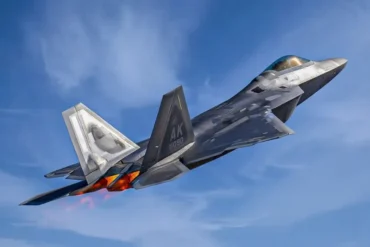
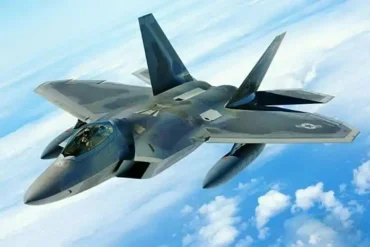
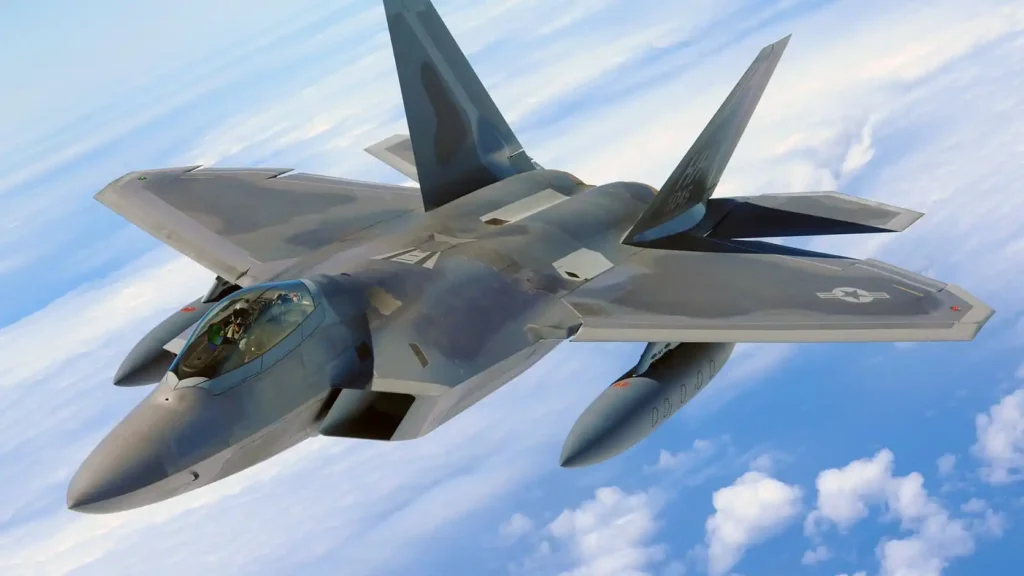
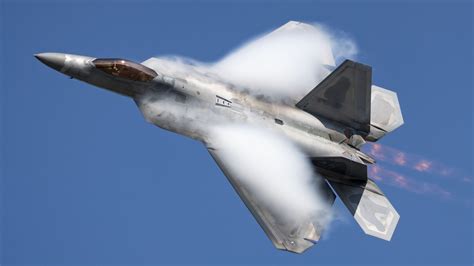
The F-22 Raptor is a 5th generation stealth fighter developed by Lockheed Martin for the U.S. Air Force. Its primary role is air superiority, but it also has secondary capabilities such as precision strike missions and intelligence, surveillance, and reconnaissance (ISR). The F-22 is a cutting-edge aircraft designed with a focus on stealth, supercruise, superior maneuverability, and advanced avionics systems, making it one of the most advanced jets in the world. Its unique features like internal weapon bays and special coatings ensure that it remains undetectable to enemy radar, giving it a massive edge in contested airspaces.
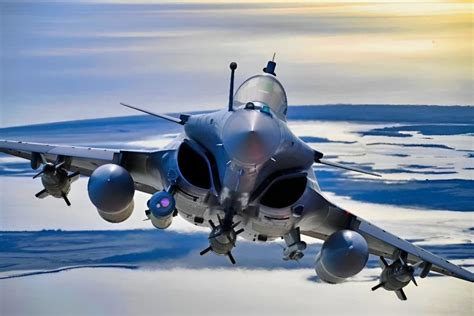
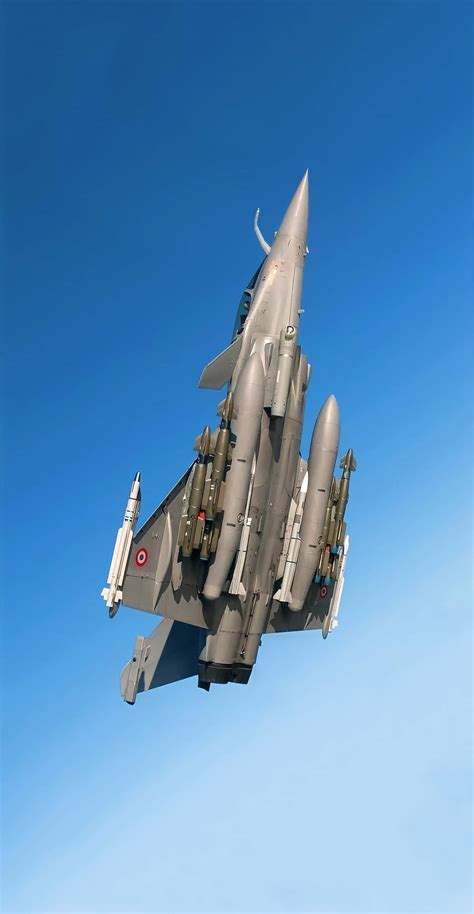
In contrast, the Dassault Rafale is a 4.5 generation multirole fighter designed by Dassault Aviation for the French Air Force and Navy. While not as stealthy as the F-22, the Rafale is a versatile aircraft capable of performing a wide range of missions. These include air-to-air combat, ground strike operations, naval operations, and even nuclear deterrence. The Rafale’s design prioritizes multirole capabilities and cost-effectiveness, making it a suitable option for countries requiring a flexible, multirole fighter.
Stealth and Radar Cross-Section (RCS)
One of the defining characteristics of the F-22 is its stealth technology. With an extremely low radar cross-section (RCS) of just 0.001-0.08 square meters, the F-22 is virtually invisible to most radar systems. This is achieved through its carefully sculpted airframe, internal weapon bays, and stealth coatings. Its stealth features allow it to operate in contested environments where radar detection is critical.
The Rafale, while equipped with some stealth features, is not designed to be a stealth aircraft. Its RCS is estimated to be in the range of 1-5 square meters, much higher than that of the F-22. However, the Rafale compensates for this by utilizing its electronic warfare systems to jam or deceive enemy radar systems. The SPECTRA system, an advanced electronic warfare suite, provides the Rafale with enhanced survivability in radar-dense environments.
Beyond Visual Range (BVR) Combat
When it comes to Beyond Visual Range (BVR) combat, the F-22 has a significant advantage. The AN/APG-77(V)1 AESA radar on the F-22 is one of the most advanced radar systems in the world, with a range of approximately 193 kilometers. This radar system enables the F-22 to detect and engage multiple targets simultaneously, even at extended ranges. Combined with the AIM-120D AMRAAM missile (with a range of over 180 kilometers) and the AIM-9X Sidewinder (which allows for high-off-boresight engagements), the F-22 can engage enemies long before they are aware of its presence.
The Rafale, on the other hand, is equipped with the RBE2-AA AESA radar, which has a detection range of about 150 kilometers. While the Rafale’s radar is highly capable, it is less advanced than that of the F-22. In terms of BVR engagement, the Rafale’s primary weapon is the Meteor long-range air-to-air missile, which has a range of over 150 kilometers. While the Rafale’s weapons are powerful, its lack of stealth means that it is likely to be detected earlier by an enemy F-22, putting it at a disadvantage in a BVR combat scenario.
Maneuverability and Close Combat
When it comes to close-range dogfighting, the F-22 and the Rafale have their own unique advantages. The F-22 is equipped with the F119-PW-100 thrust-vectoring engines, providing it with exceptional superior maneuverability. The F-22 can perform advanced maneuvers, such as the Pugachev’s Cobra, that give it an edge in close combat. The F-22’s high thrust-to-weight ratio (1.26) and two-dimensional thrust vectoring nozzles allow it to dominate in terms of positioning and air combat agility.
In contrast, the Rafale features a more traditional M88 engine without thrust vectoring, but it is still highly maneuverable, thanks to its canard delta wing design and high agility. The Rafale’s instantaneous turn rate and roll rates are excellent, and it has a superior angle-of-attack capability, which gives it an advantage in short-range dogfights. However, the F-22’s superior thrust vectoring gives it a noticeable advantage in sustained dogfights, particularly in scenarios where advanced aerial maneuvers are required.
Avionics, Data Link, and Sensor Fusion
The F-22 Raptor excels in terms of avionics and sensor fusion. It is equipped with multiple advanced sensors, including the IRST (infrared search and track) system, which allows it to detect and engage stealth targets at long ranges. Additionally, the Integrated Sensor Suite (ISS) helps the F-22 gather and analyze data from various sources, giving it a comprehensive picture of the battlefield. The F-22 also features the IFDL (Intra-Flight Data Link), a secure communication network allowing the aircraft to share information exclusively with other F-22s, enhancing team-based operations.
The Dassault Rafale also boasts impressive avionics, including the RBE2-AA radar, OSF infrared system, and Spectra electronic warfare system. The Rafale can communicate using the NATO standard Link 16, enabling it to integrate seamlessly into multilateral operations. While the Rafale’s data link systems are highly advanced, they are not as exclusive and optimized as the F-22’s IFDL, which gives the F-22 a more cohesive network-centric capability.
Cost and Versatility
The F-22 is designed primarily for air superiority and has a unit cost of approximately $150 million. Due to its advanced technology and limited production numbers (only 187 units were built), the F-22 is a highly specialized and expensive platform. Additionally, its maintenance costs are significant, given the complexity of its systems.
In contrast, the Dassault Rafale is a multirole fighter, capable of carrying out a wide range of operations, including air-to-air combat, air-to-ground strikes, and naval operations. With a unit cost of approximately $70 million, the Rafale offers a more cost-effective solution for countries seeking a versatile, reliable, and highly capable aircraft. The Rafale is considered to be cost-efficient for countries needing a flexible combat platform with lower operating costs compared to the F-22.
Conclusion
Both the F-22 Raptor and the Dassault Rafale are formidable fighter jets, but they serve different purposes and excel in different areas. The F-22, with its advanced stealth capabilities, superior maneuverability, and networked operations, is ideal for air superiority missions, where detection and engagement of enemy aircraft at long ranges is critical. In contrast, the Rafale is a multirole fighter that offers outstanding versatility at a lower cost, making it well-suited for a variety of missions, including air-to-ground strikes and naval operations.
In a direct confrontation, the F-22 would likely prevail in a BVR engagement due to its stealth and sensor capabilities. However, the Rafale would still have a fighting chance in close-quarters combat or in scenarios where electronic warfare and agility are more important.
FAQ
What are the primary differences between the F-22 and Rafale?
The main differences between the F-22 Raptor and Dassault Rafale are their design philosophies and mission roles. The F-22 is a 5th generation stealth fighter, focused on air superiority, stealth, and supercruise capabilities, whereas the Rafale is a 4.5 generation multirole fighter, excelling in a wider range of missions, including ground attack and naval operations.
Which aircraft is more cost-effective: F-22 or Rafale?
The Dassault Rafale is more cost-effective than the F-22, with a unit cost of approximately $70 million compared to the F-22’s $150 million. The Rafale also offers lower operating costs and higher versatility, making it a more economical option for countries needing a multirole fighter.
In a combat scenario, which aircraft would prevail in a one-on-one fight?
In a direct confrontation, the F-22 would likely dominate in the BVR (Beyond Visual Range) phase due to its stealth, advanced radar, and long-range missile capabilities. The Rafale would have to rely on its electronic warfare systems and agility to survive, but in most cases, the F-22’s advantages would make it the victor in a one-on-one combat scenario.