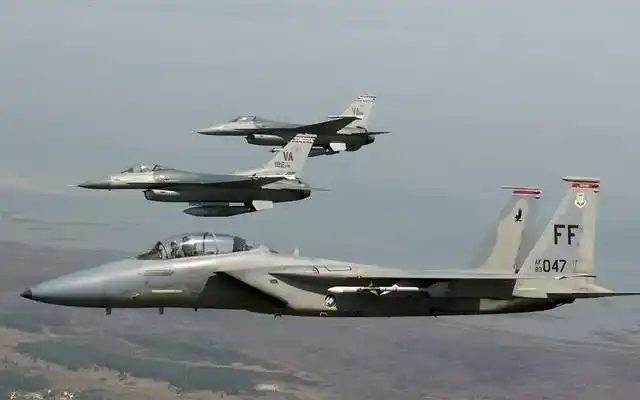
When discussing modern military aviation, few aircraft have achieved the legendary status of the F-16 Fighting Falcon and the F-15 Eagle. Both aircraft are iconic in their own right and have shaped air combat strategies for decades. While they serve within the same air force—the United States Air Force (USAF)—their design philosophies, performance characteristics, and operational roles differ greatly. This article will provide an in-depth analysis of these two remarkable fighter jets, examining their origins, specifications, missions, and key differences.
Design Philosophy and Development Background
F-15 Eagle: The Ultimate Air Superiority Fighter
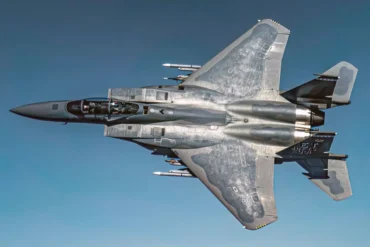
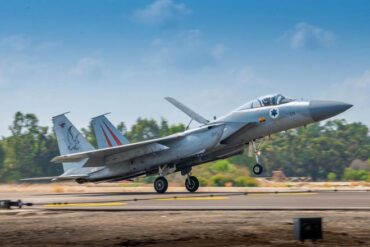
The F-15 Eagle was developed in the 1970s in response to the lessons learned from the Vietnam War. The USAF recognized the need for a high-performance fighter aircraft capable of achieving air superiority against advanced enemy fighters. The F-15 was designed with one singular purpose in mind: to achieve and maintain air dominance in any combat scenario.
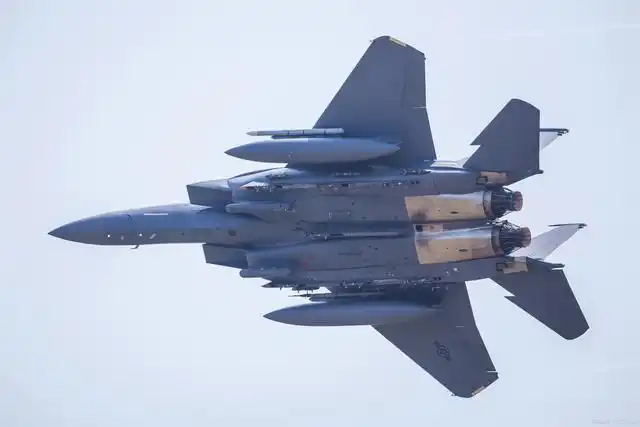
The F-15’s design is based on a dual-engine configuration, providing it with exceptional power, speed, and range. The aircraft is heavily focused on long-range interception, high-speed combat, and the ability to carry a large payload of weapons, including multiple air-to-air missiles. With its large airframe, the F-15 excels in high-altitude, long-range operations, making it a formidable opponent in the skies.
F-16 Fighting Falcon: The Agile Multi-Role Workhorse
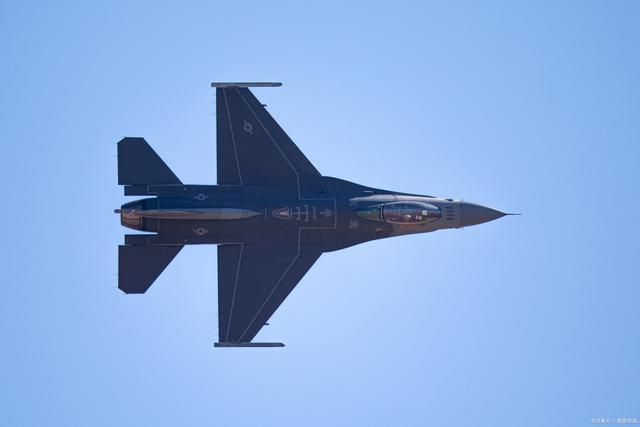
In contrast, the F-16 Fighting Falcon was designed as a lightweight, multi-role fighter jet that prioritized cost-effectiveness, agility, and flexibility. The F-16 was born out of the “lightweight fighter” program in the late 1970s, which aimed to provide a cheaper, more nimble fighter than the heavier, more expensive alternatives of the time. The F-16’s single-engine design, coupled with advanced fly-by-wire controls, gives it remarkable agility and responsiveness.
While the F-16 was initially intended as a fighter-bomber for tactical roles, it soon proved its worth in air superiority as well. The aircraft is capable of performing air-to-air, air-to-ground, and close air support missions, making it one of the most versatile fighters in the world. The F-16 has become the go-to aircraft for numerous air forces across the globe due to its low operating cost and high performance in both high-intensity air combat and precision strike operations.
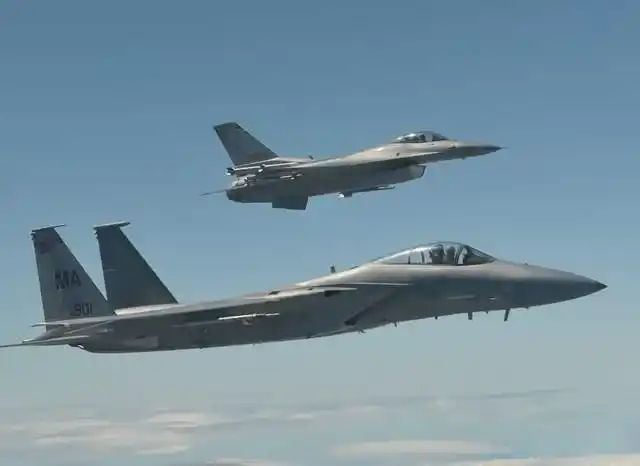
Detailed Performance Comparison
Powerplant and Engine Configuration
The most immediate difference between the F-15 and F-16 is in their engine configuration.
- The F-15 is powered by two engines (either the F100 or F110), each providing thrust between 11 to 13 tons, offering exceptional power, redundancy, and performance at high speeds and altitudes.
- The F-16, on the other hand, is powered by a single engine (either the F100 or F110), generating about 14 tons of thrust. Despite having one less engine, the F-16 can achieve remarkable speed and agility, especially due to its lightweight design.
Speed and Range
Both the F-15 and F-16 are supersonic jets, but their speed and range capabilities differ significantly:
- The F-15 can reach speeds of up to 2.5 Mach (approximately 3,000 km/h), making it one of the fastest aircraft in the world. Its maximum operational range of 5,500 kilometers ensures that it can cover vast distances, making it ideal for long-range interception and combat operations.
- The F-16 has a top speed of 2.0 Mach (around 2,400 km/h), and while slightly slower than the F-15, it is still a formidable performer. The F-16’s combat radius is around 1,500 kilometers, which is impressive for a light fighter, especially when equipped with external fuel tanks for extended range.
Weapon Load and Payload Capacity
Weapon load capacity is another crucial aspect in differentiating these two aircraft:
- The F-15 can carry a maximum payload of up to 13 tons (particularly in the F-15E Strike Eagle variant), which includes a mix of air-to-air missiles, precision-guided bombs, and air-to-ground ordnance. This large payload allows the F-15 to perform long-range air superiority missions as well as ground attack operations.
- The F-16, being a lighter aircraft, has a smaller payload capacity of around 8 tons. Despite this, the F-16 is highly effective in performing close air support, tactical bombing, and anti-air missions with an impressive range of precision-guided munitions.
Radar and Sensor Systems
Radar capabilities are vital for a fighter’s ability to detect and engage targets at long range:
- The F-15 features a large, powerful radar system (such as the AN/APG-63 radar), which offers a detection range of up to 450 kilometers. This allows the F-15 to detect and engage enemy aircraft from great distances, giving it a distinct advantage in long-range air superiority operations.
- The F-16, while equipped with a smaller radar system, offers a detection range of about 300 kilometers, which is still impressive for a multi-role fighter. The smaller radar gives the F-16 a more compact airframe, but it compromises on detection range compared to the F-15.
Mission Role and Combat Effectiveness
F-15: The Air Superiority Champion
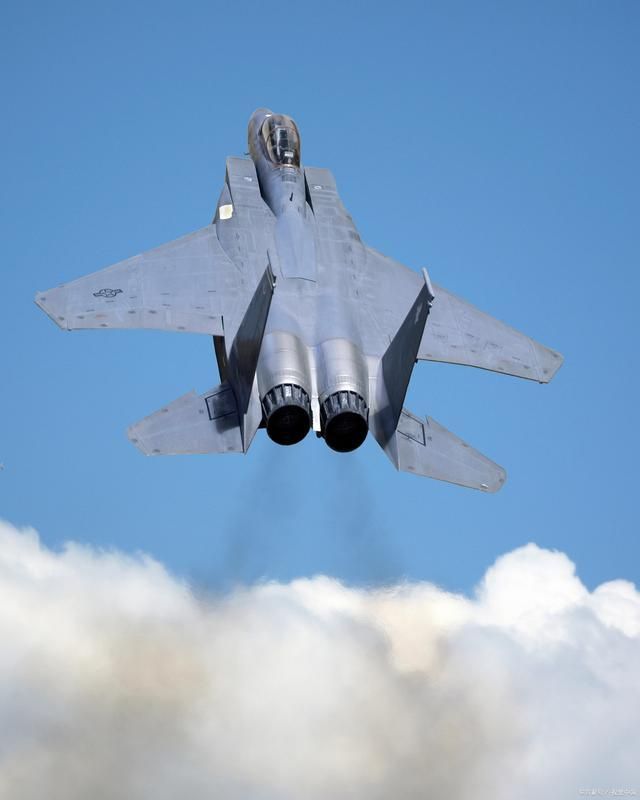
The F-15 excels in missions where long-range engagement, high-speed interception, and maximum payload are critical. It is the backbone of the U.S. Air Force’s air superiority operations. In fact, the F-15 has a stellar combat record, particularly in air-to-air combat. During the Gulf War and other conflicts, the F-15 maintained an unblemished kill ratio of 104:0 in air combat, demonstrating its effectiveness in maintaining air dominance.
Its ability to carry large amounts of weaponry and strike from long distances has proven invaluable in countering high-performance adversaries, such as enemy bombers and interceptors. The F-15’s upgraded versions, like the F-15EX, are also capable of precision ground strikes, making it a dual-purpose fighter.
F-16: The Multi-Role Tactical Specialist
The F-16, in contrast, is a highly flexible and versatile fighter, excelling in multi-role combat. It can perform a wide variety of tasks, ranging from air-to-air combat to ground attack missions. In fact, it has been reported that the F-16 has carried out 80% of U.S. air force’s ground attack operations and approximately 60% of air combat missions during conflicts in regions like Kosovo and Syria.
The F-16 is particularly adept in close air support and tactical bombing, where its maneuverability and cost-effectiveness come into play. The jet’s lightweight and highly responsive design make it a preferred choice for low-level missions and interdiction.
Cost and Maintenance Considerations
F-15: Higher Maintenance, Higher Cost
Due to its dual-engine configuration, the F-15 is more expensive to maintain and operate. The single-hour operating cost of an F-15 is approximately $35,000, which is higher compared to the F-16. However, the aircraft’s long service life, high payload capacity, and air superiority capabilities justify the costs, especially for high-intensity air operations.
The F-15 is currently in service with approximately 500 aircraft globally, with newer upgrades like the F-15EX extending its operational life.
F-16: Lower Operating Costs and Greater Numbers
The F-16, with its single-engine design, has lower maintenance and operational costs. The single-hour operating cost of an F-16 is around $22,000, making it a more affordable option for both the U.S. Air Force and numerous foreign air forces. With over 4,600 units produced and operational in 26 countries, the F-16 remains one of the most widely used fighter jets worldwide.
Future Development and Upgrades
Both the F-15 and F-16 are undergoing significant upgrades to keep them relevant in modern warfare:
- The F-15EX, with its new radar systems (such as the AN/APG-82 radar) and enhanced weapons capabilities, is expected to serve as a key long-range interceptor for decades to come. The aircraft’s upgrades ensure that it remains a dominant force in the air, filling the gap left by the limited number of F-22 Raptors.
- The F-16V upgrade, which includes the installation of advanced AESA radars, digital flight controls, and enhanced avionics, has breathed new life into the F-16, making it highly competitive in the budget-conscious markets. While the F-16 is being gradually phased out by the more advanced F-35, it is expected to remain in service until 2030.
Conclusion
Both the F-15 and F-16 have proven to be exceptionally effectiveand reliable fighter jets. The F-15 is the clear choice for air superiority, long-range interception, and heavy payload missions, making it ideal for scenarios requiring high-intensity combat. Its higher maintenance costs are justified by its unmatched air dominance.
On the other hand, the F-16 is the optimal choice for countries seeking a low-cost, multi-role fighter with exceptional agility and versatility. Its ability to perform a wide range of missions—from air-to-air to ground support—has made it a go-to aircraft for air forces around the world.
In conclusion, the F-15 and F-16 complement each other perfectly within the U.S. Air Force. The F-15 secures air superiority while the F-16 takes on the tactical roles, providing a dynamic and effective combination of capabilities for any combat scenario.