The F-15 Eagle and the Su-30MKI represent two of the most formidable fourth-generation fighter jets in the world. Developed by the United States and Russia, these aircraft embody distinct design philosophies, combat strategies, and technological advancements. While the F-15 Eagle prioritizes beyond-visual-range (BVR) combat, the Su-30MKI offers superior maneuverability in within-visual-range (WVR) engagements. This article provides a detailed comparison of their historical background, key performance metrics, combat records, and future upgrades.
Historical Background & Design Philosophy
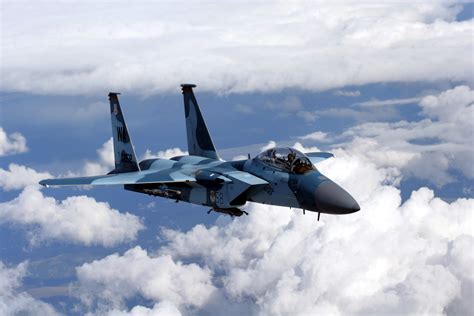
F-15 Eagle: The Air Superiority Champion
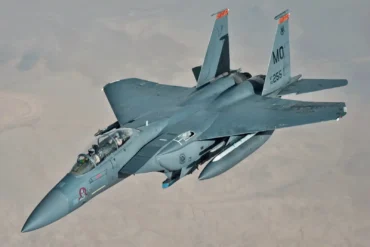
Developed by McDonnell Douglas (now Boeing), the F-15 Eagle was introduced in 1976 as a pure air-superiority fighter. It was designed to dominate Soviet aircraft with its high thrust-to-weight ratio, powerful radar, and advanced air-to-air missiles. Over its long service life, the F-15 has achieved an unprecedented 104:0 kill ratio, making it one of the most successful fighter jets in history.
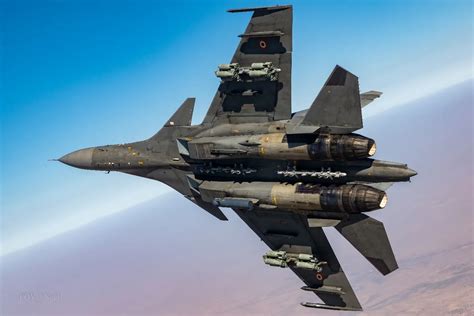
Su-30MKI: India’s Custom-Built Multi-Role Fighter
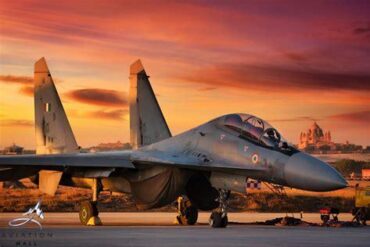
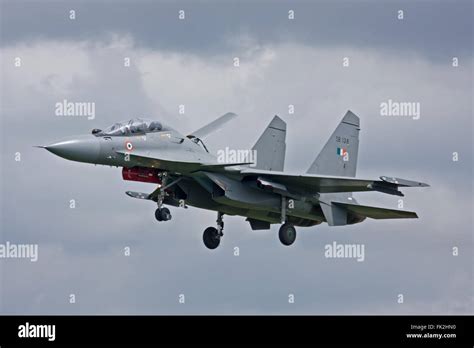
The Su-30MKI, developed by Sukhoi and customized for India, entered service in 2002. Unlike the F-15, the Su-30MKI was designed as a multi-role fighter, capable of both air combat and ground attack missions. Featuring thrust-vectoring engines and an advanced radar system, it is one of the most maneuverable aircraft in the world.
Key Performance Comparisons
Maneuverability & Close-Range Dogfighting
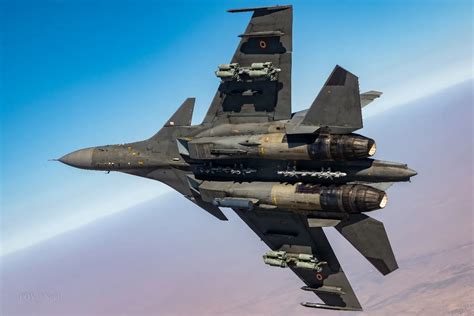
Su-30MKI: The Su-30MKI benefits from its AL-31FP thrust-vectoring engines, which allow it to perform extreme maneuvers such as the Pugachev’s Cobra and Kulbit. These capabilities give it an edge in WVR combat. During joint Indo-US exercises in 2004, the Su-30MKI defeated F-15Cs in dogfights with a 4:1 ratio, highlighting its superiority in close-range combat.
F-15 Eagle: The F-15 relies on a high thrust-to-weight ratio (above 1.1) and energy maneuverability tactics to maintain superiority. However, it lacks thrust-vectoring technology, making it less agile than the Su-30MKI in close-range engagements.
Radar & Beyond-Visual-Range Combat
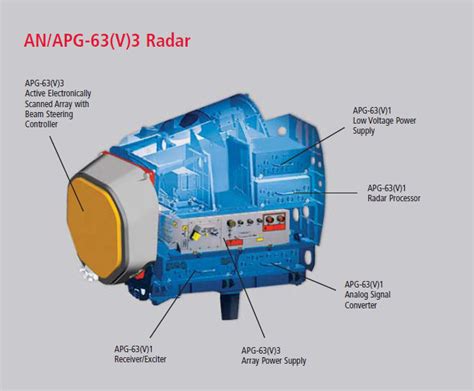
F-15C: The F-15C Eagle was equipped with the APG-63 radar, offering a detection range of approximately 150 km. It was later upgraded to APG-82 AESA radar, enhancing its BVR combat capability. The F-15 typically deploys AIM-120 AMRAAM missiles, which have a range of up to 160 km, allowing it to engage targets before they can respond.
Su-30MKI: The N011M Bars radar on the Su-30MKI can track 15 targets simultaneously and engage up to 4 at once. However, its detection range is slightly shorter at 120 km. The Su-30MKI uses R-77 missiles, which have a range of 100 km, making it slightly disadvantaged in BVR engagements compared to the F-15 Eagle.
Weapons Load & Multi-Role Capabilities
Su-30MKI: With a maximum payload capacity of 8 tons, the Su-30MKI can carry a diverse range of weapons, including air-to-air, anti-ship, and precision-guided bombs. Additionally, it integrates Israeli and French avionics, significantly enhancing its multi-role capabilities.
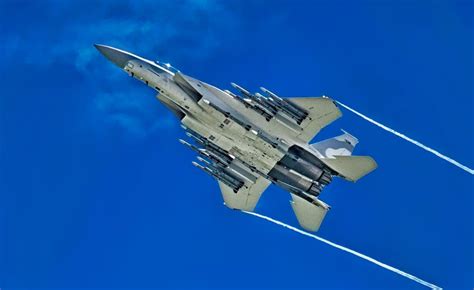
F-15E/F-15EX: While the F-15E Strike Eagle prioritizes ground attack missions, it can still carry AIM-120 and AIM-9X Sidewinder missiles for air combat. The F-15EX, the latest variant, increases its missile load to 22, including 12 AMRAAMs, making it the most heavily armed F-15 variant to date.
Combat Records & Real-World Performance
2004 Cope India Exercise: Su-30MKI vs F-15C
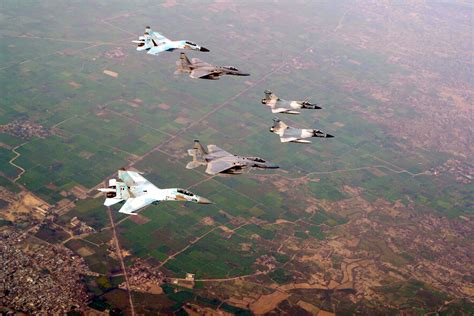
One of the most notable engagements between these aircraft occurred during Cope India 2004, where the Su-30MKI achieved a 4:1 kill ratio against F-15C Eagles. However, it is important to note that the F-15s were restricted from using their BVR capabilities, which significantly influenced the outcome.
Other Engagements & Test Results
- In the 1990s, Russian Su-27s (the basis for the Su-30MKI) successfully outmaneuvered F-15s in simulated dogfights.
- The F-15EX, with upgraded avionics and weaponry, has demonstrated improved effectiveness, but it has yet to face the Su-30MKI in direct combat.
Cost, Export Market & Future Prospects
Price & Export Success
Su-30MKI: Priced at $35 million per unit, the Su-30 series has been exported to over 30 countries, including India, China, Malaysia, and Algeria. Its cost-effectiveness and flexible export policies have made it a popular choice for many air forces.
F-15: The F-15 Eagle series has seen limited export success due to high costs (early models were priced at $70 million, while the F-15EX exceeds $130 million) and strict US export regulations. Key buyers include Saudi Arabia and Qatar.
Conclusion: Which Fighter is Superior?
Su-30MKI Advantages:
- Superior maneuverability & dogfighting capabilities
- Multi-role flexibility with ground attack capabilities
- Lower cost & strong global export success
F-15 Eagle Advantages:
- Exceptional BVR combat performance
- Superior radar & electronic warfare capabilities
- Longer operational history with extensive combat success
The outcome of a confrontation between the F-15 and Su-30MKI depends largely on the combat environment, pilot training, and supporting systems such as AWACS and electronic warfare assets. While the F-15 excels in BVR combat, the Su-30MKI dominates in close-range engagements. Future upgrades, such as the F-15EX program and India’s Super Su-30MKI initiative, will further shape their battlefield effectiveness.
FAQ
1. Has the Su-30MKI ever fought in real combat?
No, the Su-30MKI has been involved in military exercises and air patrols, but it has not been used in actual air-to-air combat.
2. Which jet has a better radar system?
The F-15EX with its APG-82 AESA radar provides a better BVR capability than the Su-30MKI’s N011M Bars radar.
3. Is the Su-30MKI more cost-effective than the F-15?
Yes, at $35 million per unit, the Su-30MKI offers a more affordable alternative compared to the F-15EX’s $130 million price tag.