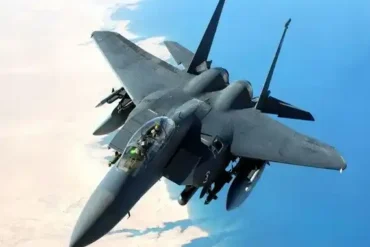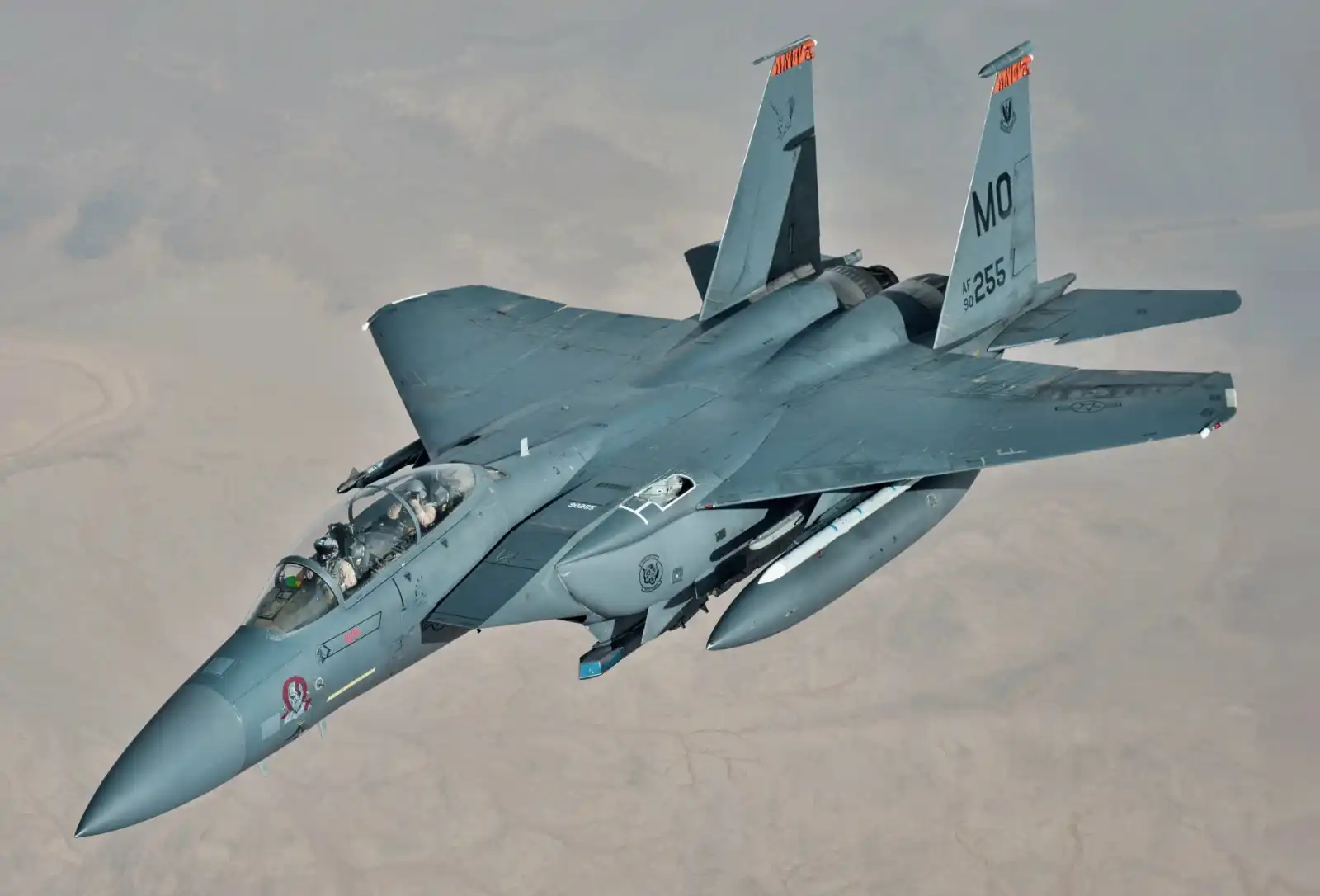
The F-15 Eagle and F-16 Viper are two of the most legendary fighter aircraft ever developed by the United States. Both aircraft serve crucial but distinct roles in modern air combat. The F-15, a heavyweight air superiority fighter, dominates high-altitude engagements with speed, power, and long-range radar capability. Meanwhile, the F-16, a lightweight multirole fighter, excels in agility, close-range combat, and cost-effective operations. This article delves into the design philosophies, performance attributes, mission roles, and pilot experiences of these two iconic jets.
Design Philosophy and Development
F-15 Eagle: The Heavyweight Champion
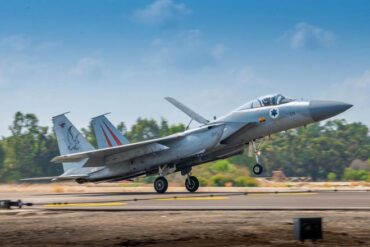
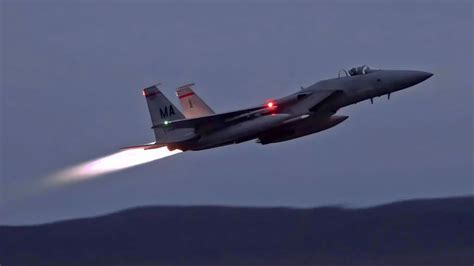
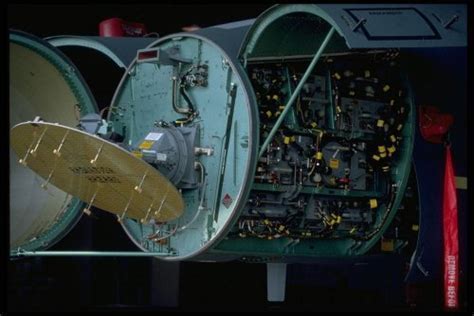
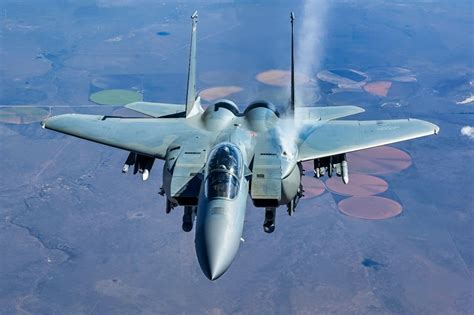
Developed in the 1970s in response to Soviet advances in air combat, the F-15 Eagle was designed as an air superiority fighter with the motto “not a pound for ground”—prioritizing air dominance over ground-attack capabilities. It features twin Pratt & Whitney F100 engines, each generating up to 11.3 tons of thrust, enabling the aircraft to reach speeds of Mach 2.5 (≈3,000 km/h). Its large airframe houses an AN/APG-63 radar, giving it superior beyond-visual-range (BVR) detection and tracking capabilities.
F-16 Viper: The Agile Warrior
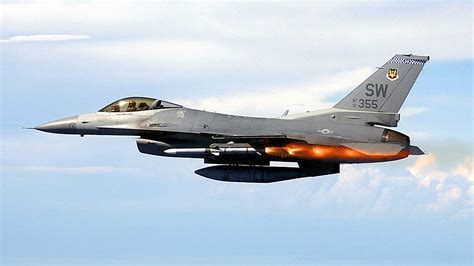
The F-16 Viper was developed in the 1980s as part of the U.S. Air Force’s “high-low mix” strategy, where it would complement the F-15 as a cost-effective, versatile alternative. Unlike the Eagle, the F-16 was designed for both air-to-air and air-to-ground missions. It has a single-engine configuration (Pratt & Whitney F100 or General Electric F110) and a bubble canopy, providing superior visibility for dogfighting. The F-16’s fly-by-wire system makes it inherently unstable for increased maneuverability, allowing it to execute high-G turns exceeding 9G.
Performance and Combat Capabilities
| Feature | F-15 Eagle | F-16 Viper |
|---|---|---|
| Speed | Mach 2.5 (≈3,000 km/h) | Mach 2.0 (≈2,450 km/h) |
| Range | 5,500+ km with external tanks | Shorter range |
| Payload Capacity | 7+ tons | ~4 tons |
| Maneuverability | High energy retention, excellent in BVR combat | Exceptional agility, excels in dogfighting |
| Radar | Large AESA radars (AN/APG-63/70) for long-range tracking | Smaller radar but enhanced situational awareness via helmet-mounted display |
The F-15 excels in long-range engagements, with advanced radar systems and superior speed. Its twin-engine design ensures better survivability and redundancy. In contrast, the F-16 thrives in close-range dogfights, thanks to its small frame, high agility, and superior thrust-to-weight ratio. The F-16’s agility allows it to outmaneuver the F-15 in simulated dogfights, though the F-15 retains an edge in sustained engagements.
Mission Roles and Combat Use
F-15 Eagle: Air Superiority and Deep Strike
The F-15 primarily serves as an air superiority fighter, engaging enemy aircraft at long ranges. It has also evolved into a capable strike platform, with the F-15E Strike Eagle variant supporting deep penetration bombing missions. The latest F-15EX variant integrates hypersonic missile compatibility and advanced sensors, ensuring its relevance in modern warfare.
F-16 Viper: Multirole Flexibility
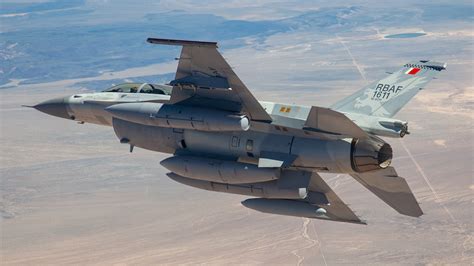
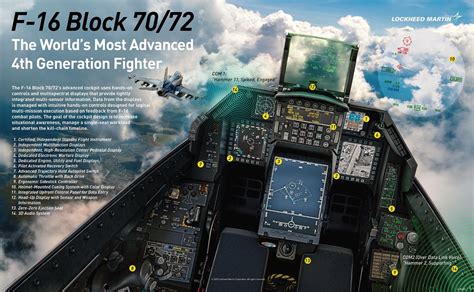
Unlike the F-15, the F-16 is a true multirole fighter, performing air-to-ground strikes, close air support (CAS), and air defense. Its affordability has led to its adoption by numerous allied air forces, making it one of the most widely used fighters in the world. Modern F-16 Block 70/72 variants include state-of-the-art avionics, ensuring they remain competitive alongside fifth-generation fighters.
Pilot Experience and Cockpit Design
F-15 Cockpit: Traditional but Powerful
The F-15 features a conventional center-stick control system and an upright seat, which can increase G-force strain on the pilot. The two-seat F-15E Strike Eagle variant includes a weapons systems officer (WSO) to manage sensors and targeting, reducing the pilot’s workload.
F-16 Cockpit: Ergonomic and Advanced
The F-16 employs a side-stick controller and a 30-degree reclined seat, enhancing pilot comfort and G-force tolerance. The F-16’s helmet-mounted display (HMD) allows pilots to engage targets simply by looking at them, a significant advantage in dogfighting.
Modernization and Future Upgrades
F-15EX: The Next-Generation Eagle
The latest F-15EX variant includes:
- Active Electronically Scanned Array (AESA) radar
- Hypersonic missile compatibility
- Networked warfare capabilities
- Enhanced electronic warfare (EW) systems
These upgrades ensure the F-15 remains dominant in air superiority and strike missions, despite the rise of stealth fighters.
F-16V (Block 70/72): The Future of the Viper
The F-16V variant enhances the Viper’s capabilities with:
- AESA radar (AN/APG-83)
- Improved avionics for interoperability with F-35 and F-22
- Upgraded electronic warfare countermeasures
These advancements keep the F-16 relevant as an affordable, high-performing multirole fighter.
Conclusion: Complementary Powerhouses
The F-15 and F-16 complement each other rather than compete. The F-15 excels in air dominance and strategic deep strike, while the F-16 remains the go-to multirole fighter due to its cost-effectiveness, agility, and versatility. As one pilot aptly described: “The F-15 is a thoroughbred racehorse; the F-16 is a Swiss Army knife.”
FAQ
1. Which aircraft is better in a dogfight, the F-15 or the F-16?
The F-16 has superior agility and a better thrust-to-weight ratio, making it more maneuverable in close-quarters combat. However, the F-15’s high-speed performance and energy retention allow it to maintain an advantage in beyond-visual-range (BVR) combat.
2. Why does the U.S. still use both the F-15 and F-16?
Each aircraft serves a different role. The F-15 is a dedicated air superiority fighter with enhanced long-range capabilities, while the F-16 is a multirole platform optimized for both air-to-air and air-to-ground missions.
3. What is the future of these aircraft?
The F-15EX and F-16V variants ensure both aircraft remain relevant. The F-15EX incorporates modern radar and electronic warfare suites, while the F-16V improves interoperability with fifth-generation fighters.