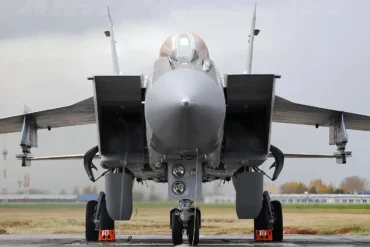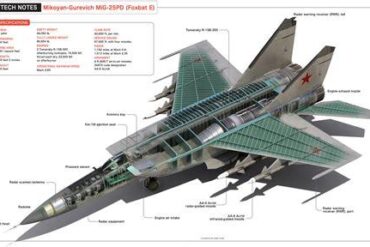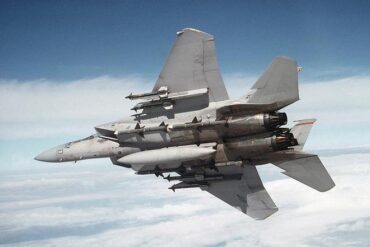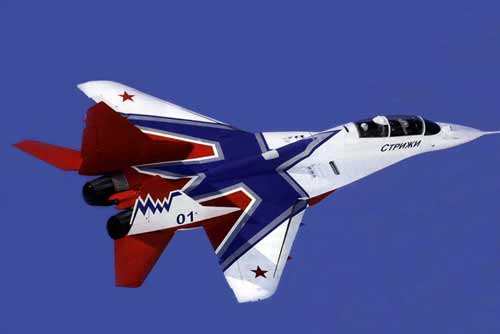
The F-15 Eagle and the MiG-29 Fulcrum are two of the most renowned fighter jets in military aviation history. Developed by the United States and the Soviet Union respectively, these aircraft were designed with different combat philosophies and operational goals. The F-15 emphasizes air superiority, long-range engagements, and high survivability, while the MiG-29 focuses on short-range interception and high maneuverability. In this article, we compare their design philosophy, avionics, weapons systems, combat performance, modernization potential, and economic viability.
Design and Performance
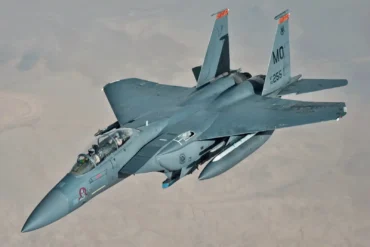
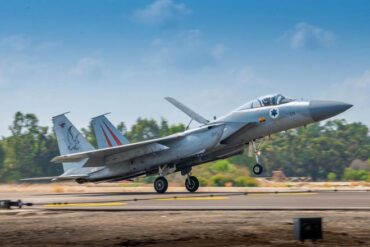
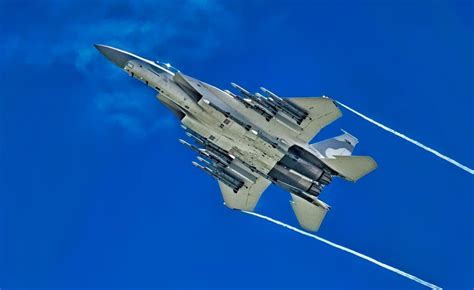
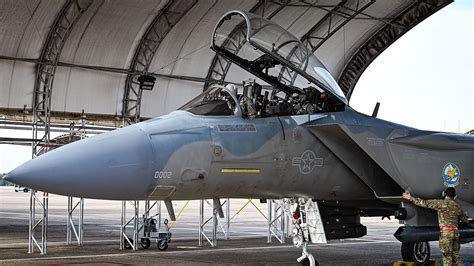
F-15 Eagle: Air Superiority Heavyweight
The F-15, developed by McDonnell Douglas (now Boeing), is a twin-engine, all-weather tactical fighter built for long-range air dominance. Key performance attributes include:
- Maximum speed: 2.25 Mach
- Combat range: 3,058 km
- Payload capacity: Up to 13.5 tons of ordnance
- Armament: Up to 22 missiles, including AMRAAMs and AIM-9X Sidewinders
- Thrust-to-weight ratio: Superior, enabling sustained high-speed maneuvers
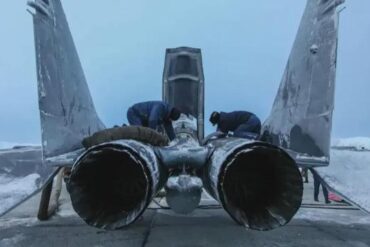
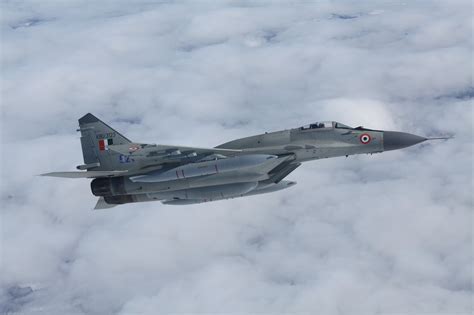
MiG-29: Agile Interceptor
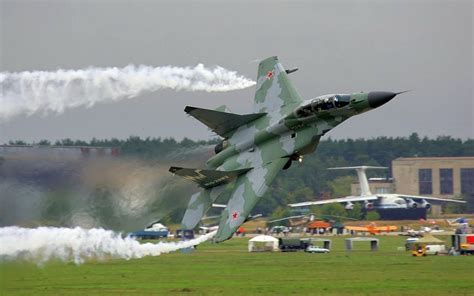
The MiG-29, developed by the Mikoyan Design Bureau, is a lightweight, short-range fighter optimized for dogfighting. Its key performance features include:
- Maximum speed: 2.25 Mach
- Combat range: ~1,500 km (significantly lower than the F-15)
- Payload capacity: Up to 4.5 tons
- Armament: Equipped with R-73 (Archer) and R-27 (Alamo) missiles
- Exceptional maneuverability with a high thrust-to-weight ratio
Avionics and Weapons Systems
F-15: Advanced Sensor and Firepower Superiority
The F-15’s avionics suite is built for beyond-visual-range (BVR) combat, featuring:
- AN/APG-82 Active Electronically Scanned Array (AESA) radar, capable of tracking and engaging multiple targets beyond 100 km
- Advanced electronic warfare (EW) suites for countermeasures and jamming
- Helmet-mounted cueing system to optimize short-range missile engagements
- Network-centric warfare capabilities, integrating with AWACS and allied aircraft
MiG-29: Limited Avionics, Strong Close-Combat Capability
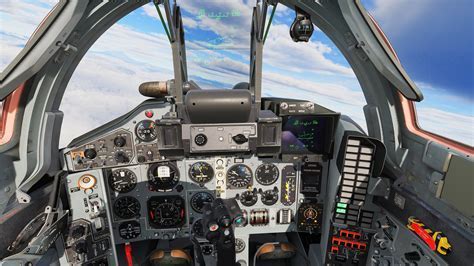
Early MiG-29 variants had less sophisticated radar and avionics, but later models such as the MiG-29M feature:
- Zhuk-ME radar, with improved range and multi-target engagement capability
- Helmet-mounted sight, allowing rapid lock-on with R-73 missiles
- Inferior BVR capabilities compared to the F-15 due to radar limitations
Combat Performance and Tactical Superiority
Beyond-Visual-Range (BVR) Combat
The F-15 dominates BVR engagements, thanks to:
- Superior radar range and tracking capabilities
- Longer-range missile systems (AMRAAM vs. R-27)
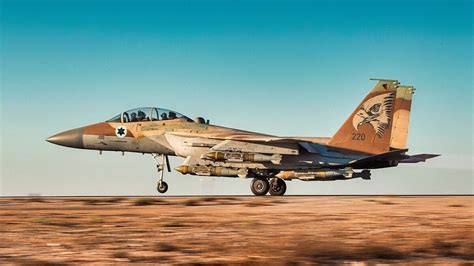
- Combat-proven kill record, such as the Israeli F-15C downing a Syrian MiG-29 at 40 km using Python IV missiles
Close-Range Dogfighting
The MiG-29 excels in close-range engagements, leveraging:
- Superior turn rate and agility
- Helmet-mounted targeting with R-73 missiles
- Proven performance in high-G maneuvering scenarios However, F-15 pilots often counter this by using superior speed to disengage or engage in vertical maneuvers.
Modernization and Future Potential
F-15: Continuous Upgrades with F-15EX
The F-15EX is the latest evolution, featuring:
- Open Mission Systems (OMS) architecture for rapid software upgrades
- Increased missile capacity (22 missiles)
- Integration of directed-energy weapons and AI-assisted combat systems
MiG-29: Limited Upgrade Potential
The MiG-29M/M2 offers improvements such as:
- Modernized avionics and digital cockpit
- Improved range and multi-role capabilities However, its overall combat effectiveness remains inferior to newer Russian fighters like the Su-30/35.
Economic Viability and Global Deployment
F-15: Expensive but Reliable
- Unit cost: ~$80 million (F-15EX)
- Higher operational cost due to twin-engine design
- Extensively used by the U.S., Japan, Saudi Arabia, and Israel
MiG-29: Affordable but Logistically Challenging
- Lower initial cost, but high maintenance requirements
- Parts shortages impact long-term operability (e.g., Iraq’s MiG-29 fleet issues during the Gulf War)
- Operators include Russia, India, and former Soviet bloc nations
Conclusion: The Clear Winner
In most combat scenarios, the F-15 Eagle is the superior aircraft, excelling in BVR engagements, avionics, firepower, and long-term viability. While the MiG-29 remains a formidable dogfighter, its range, radar, and upgrade limitations prevent it from matching the F-15’s overall effectiveness. The gap will likely widen further as F-15EX upgrades continue to enhance its capabilities.
FAQ
1. Why does the F-15 outperform the MiG-29 in BVR combat?
The F-15’s AESA radar, advanced missile systems (AMRAAM), and electronic warfare capabilities provide a decisive advantage over the MiG-29’s older radar and limited BVR missile options.
2. Can the MiG-29 defeat the F-15 in close combat?
The MiG-29 has a better thrust-to-weight ratio and helmet-mounted targeting system, making it highly effective in close-range dogfights. However, F-15 pilots often use superior speed and vertical maneuvering to evade or counter MiG-29 attacks.
3. Which aircraft is more cost-effective for a modern air force?
While the MiG-29 is cheaper upfront, its high maintenance demands and limited modernization potential reduce its long-term cost-effectiveness. The F-15, despite its higher cost, remains a strategic investment due to its superior combat capabilities and continuous upgrades.