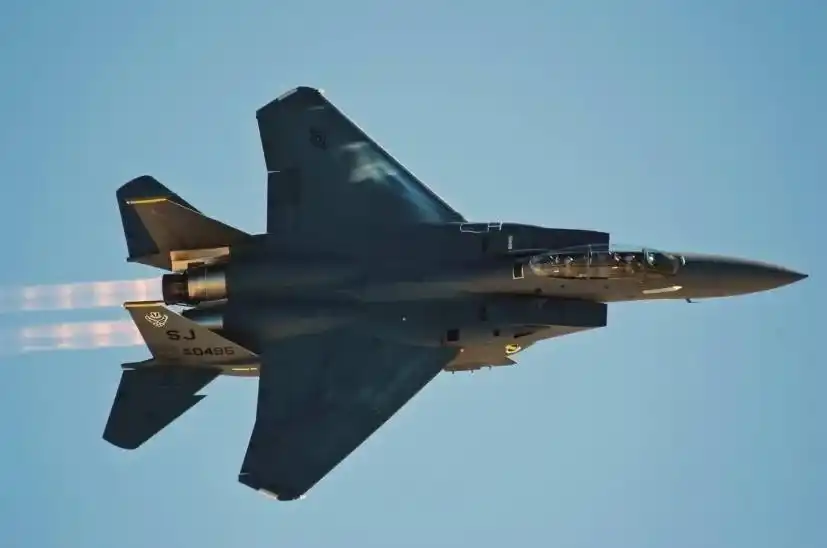
The McDonnell Douglas F-15 Eagle and F-15E Strike Eagle represent two of the most formidable fighter aircraft in modern aerial warfare. While they share a common lineage, they differ significantly in mission roles, avionics, design, and operational flexibility. Understanding their key distinctions is essential for grasping their impact on modern air combat.
Origins and Mission Roles
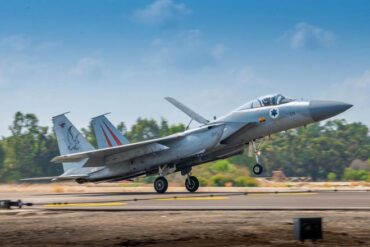
The F-15 Eagle was developed in the early 1970s as a pure air superiority fighter, designed to dominate enemy aircraft in aerial engagements. With a top speed of Mach 2.5, advanced radar, and an unmatched thrust-to-weight ratio, it quickly became a staple of the U.S. Air Force’s fighter fleet. Its original philosophy, “Not a pound for air-to-ground,” underscored its sole focus on aerial combat.
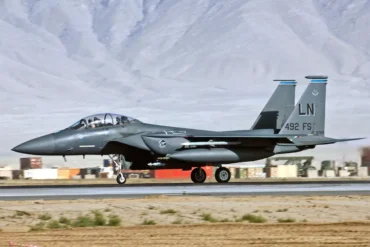
Conversely, the F-15E Strike Eagle emerged in the 1980s to fulfill a growing need for multi-role strike capability. Unlike its predecessor, the Strike Eagle was developed for deep-strike missions, allowing it to carry significant air-to-ground ordnance while retaining air-to-air combat effectiveness. Designed to replace the aging F-111 Aardvark, the Strike Eagle excels in long-range interdiction, close air support, and precision bombing.
Design and Structural Differences
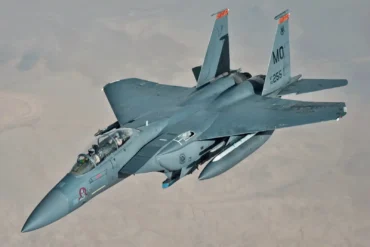
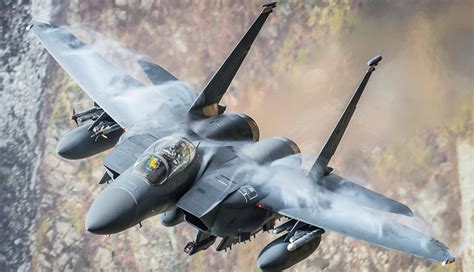
Although the F-15E Strike Eagle shares the F-15 Eagle’s core airframe, several modifications distinguish it:
Airframe Enhancements
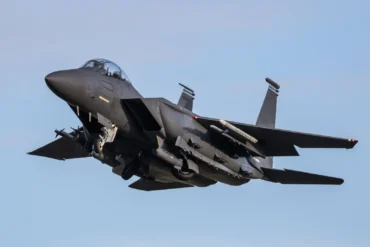
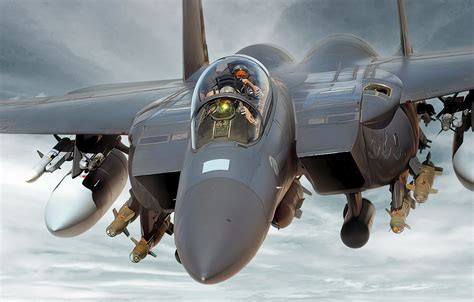
- Conformal Fuel Tanks (CFTs): The Strike Eagle incorporates CFTs mounted along the fuselage, significantly extending its operational range without occupying external weapon stations.
- Reinforced Structure: The airframe is strengthened to handle the increased weight of bombs and munitions, as well as the stress of low-altitude, high-speed flight.
Cockpit Configuration
- F-15 Eagle: Features a single-seat cockpit optimized for fighter pilots focused exclusively on air-to-air combat.
- F-15E Strike Eagle: Employs a two-seat configuration, where the Weapon Systems Officer (WSO) assists in managing advanced sensors, targeting pods, and complex strike missions.
Avionics and Sensor Suite
F-15 Eagle
The F-15 Eagle is equipped with a pulse-Doppler radar, designed primarily for tracking airborne targets and engaging them beyond visual range (BVR). It employs:
- AIM-120 AMRAAM missiles for long-range kills.
- AIM-9 Sidewinder for short-range dogfighting.
F-15E Strike Eagle
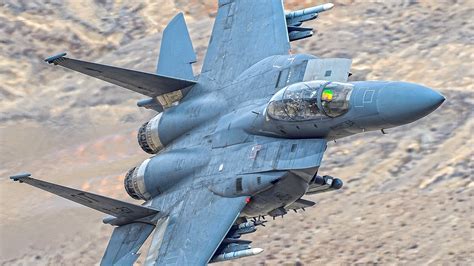
The Strike Eagle features advanced avionics and sensor systems for all-weather strike capability, including:
- AN/APG-82 AESA Radar: Provides superior tracking and targeting for both air-to-air and air-to-ground engagements.
- LANTIRN Pod: A Low-Altitude Navigation and Targeting Infrared for Night (LANTIRN) system, enabling precision attacks in low-visibility conditions.
- Eagle Passive/Active Warning Survivability System (EPAWSS): An advanced electronic warfare system enhancing survivability in high-threat environments.
Weapons and Payload Capabilities
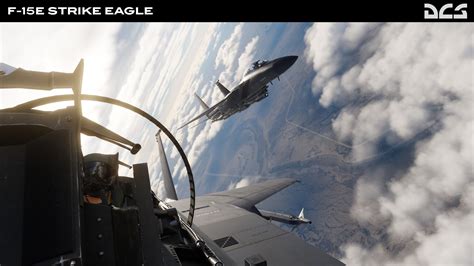
One of the most significant distinctions between the F-15 Eagle and the F-15E Strike Eagle is their armament and payload capacity.
F-15 Eagle – Air Superiority Focus
- M61A2 Vulcan 20mm cannon
- 8x air-to-air missiles, including:
- AIM-7 Sparrow
- AIM-120 AMRAAM
- AIM-9 Sidewinder
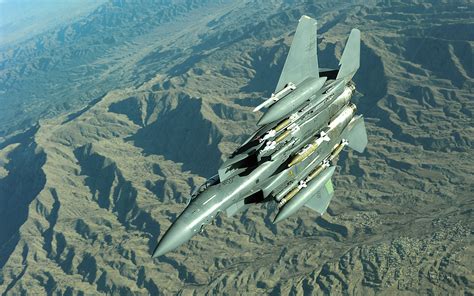
F-15E Strike Eagle – Multi-Role Arsenal
- M61A2 Vulcan 20mm cannon
- Air-to-Air Loadout (similar to the F-15 Eagle)
- Extensive Air-to-Ground Arsenal:
- Up to 15x Joint Direct Attack Munitions (JDAMs)
- GBU-28 Bunker Busters
- B61 Nuclear Bombs (if needed for strategic deterrence)
- AGM-158 JASSM (Joint Air-to-Surface Standoff Missile)
Operational Versatility and Tactical Applications
F-15 Eagle – Air Superiority Dominance
- Excels in air-to-air combat engagements.
- Provides combat air patrol (CAP) and defensive counter-air (DCA) missions.
- Later variants like the F-15EX incorporate fly-by-wire controls and updated avionics to remain competitive.
F-15E Strike Eagle – Multi-Role Adaptability
- Conducts deep-strike missions into enemy territory.
- Performs close air support (CAS) for ground forces.
- Functions as a bomb truck, delivering munitions to forward operating bases.
Conclusion: Which Fighter Excels?
The F-15 Eagle remains an unparalleled air superiority fighter, engineered to engage and defeat enemy aircraft with precision. Its speed, maneuverability, and radar technology make it an apex predator in BVR (Beyond Visual Range) engagements.
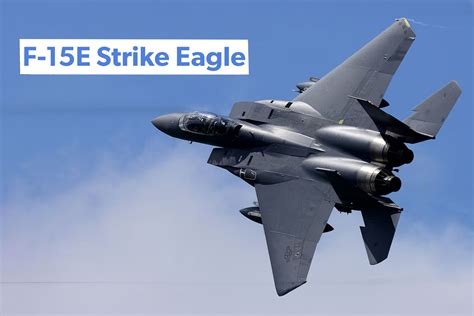
The F-15E Strike Eagle, however, takes versatility to the next level. Designed for both air-to-air and air-to-ground roles, it serves as a multi-role powerhouse, capable of executing precision strikes while retaining formidable dogfighting capability. Its advanced avionics, expanded payload capacity, and multi-role functionality ensure it remains an essential asset for modern combat operations.
Frequently Asked Questions (FAQ)
1. Can the F-15E Strike Eagle still perform air superiority missions?
Yes, the F-15E Strike Eagle retains full air-to-air capability and can engage enemy aircraft using AIM-120 AMRAAM and AIM-9 Sidewinder missiles. However, its additional weight and mission focus on ground attack make it less agile than the F-15 Eagle in dogfights.
2. What is the primary advantage of the F-15E Strike Eagle over the F-15 Eagle?
The F-15E Strike Eagle offers multi-role capability, allowing it to execute precision strikes while maintaining air-to-air combat effectiveness. Its ability to carry a greater weapons payload and operate in adverse conditions makes it an invaluable asset for long-range interdiction missions.
3. How does the F-15EX compare to the F-15E Strike Eagle?
The F-15EX is a modernized version of the F-15 Eagle, incorporating fly-by-wire controls, advanced avionics, and expanded weapons capacity. While it retains air superiority capabilities, it is designed to complement next-generation fighters like the F-35 rather than replace the F-15E Strike Eagle’s strike role.