The McDonnell Douglas F-15 Eagle and the Grumman F-14 Tomcat represent two of the most iconic third-generation fighter aircraft developed during the Cold War era. Designed for vastly different operational requirements, these aircraft served as the backbone of U.S. aerial superiority for decades. While the F-14 was the United States Navy’s premier fleet defense fighter, the F-15 was built for air superiority under the United States Air Force. This comparison explores their design philosophy, maneuverability, avionics, weaponry, combat effectiveness, and longevity.
Design and Role Differences
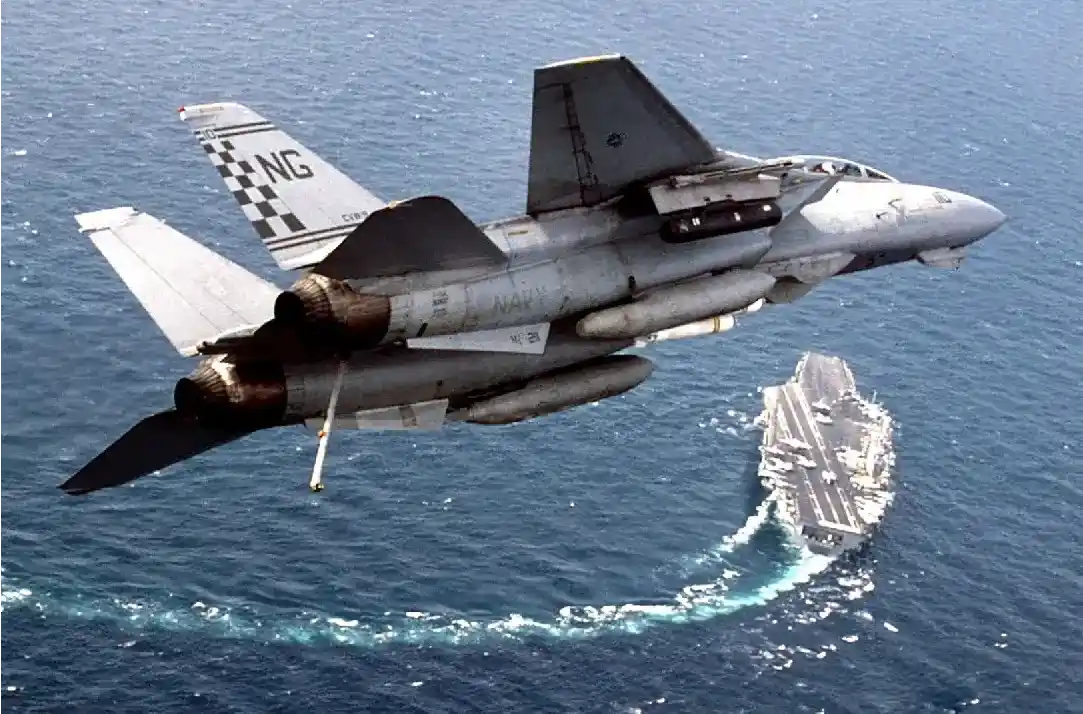
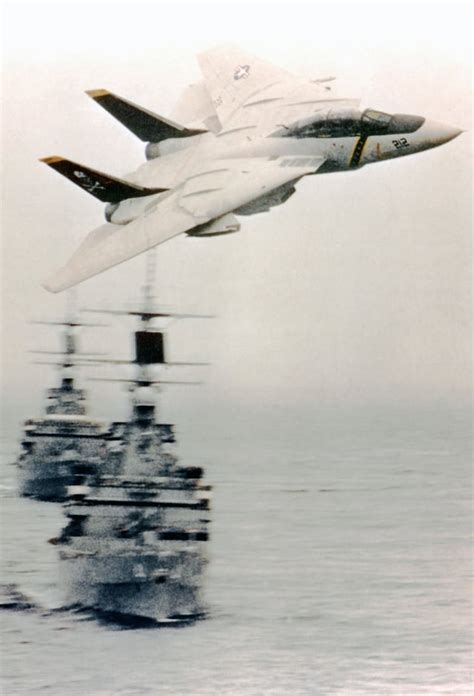
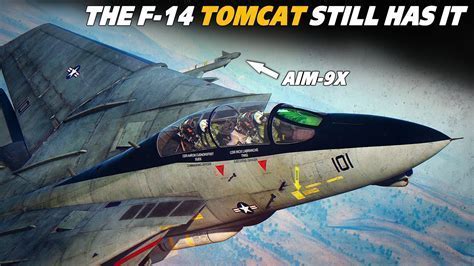
The F-14 Tomcat was designed primarily as a carrier-based fleet defense fighter. Its main mission was to intercept Soviet bombers and cruise missiles before they could threaten U.S. aircraft carrier groups. The aircraft’s variable-sweep wing design allowed it to balance both low-speed carrier operations and high-speed interceptions at Mach 2.38. However, its maintenance complexity and relatively high weight posed operational challenges.
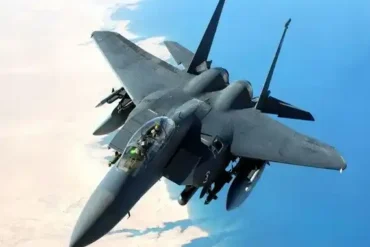
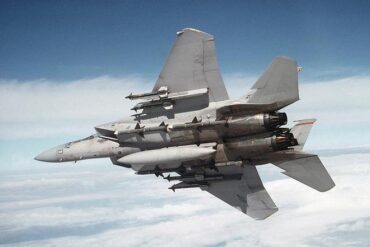
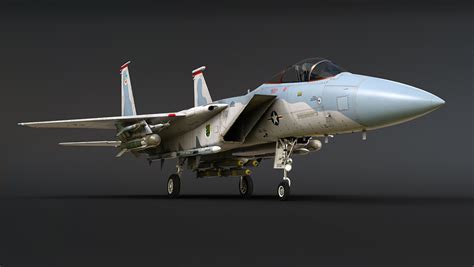
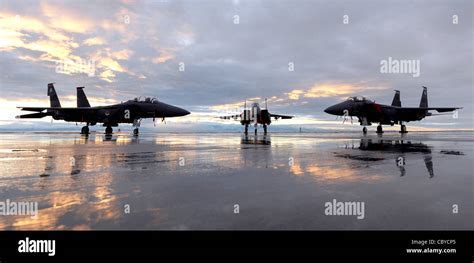
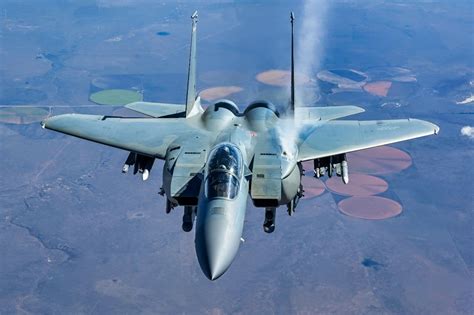
On the other hand, the F-15 Eagle was conceived as an air superiority fighter for the U.S. Air Force. Unlike the F-14, the F-15 was optimized for dogfighting and high maneuverability, boasting an impressive thrust-to-weight ratio of 1.07, the highest among third-generation fighters. The F-15E Strike Eagle variant later expanded its role to include ground attack capabilities, making it a formidable multi-role platform.
Maneuverability and Performance
Low-Speed and High-Speed Handling
The F-14 Tomcat’s variable-sweep wing system allowed it to excel in both low-speed and high-speed flight. At low speeds, such as during carrier landings, the wings remained extended, providing increased lift and stability. In high-speed engagements, the wings automatically swept back, allowing for greater aerodynamic efficiency and reduced drag. However, the aircraft suffered from a lower roll rate and higher energy loss during sustained maneuvers, making it vulnerable in prolonged dogfights against a more agile opponent.
The F-15 Eagle, with its fixed-wing configuration, exhibited superior subsonic and transonic agility. Its high thrust-to-weight ratio enabled it to perform rapid vertical climbs and sustain energy better than the F-14. Pilots noted that in close-range combat, the F-15’s instantaneous turn rate and sustained maneuverability often outclassed the F-14, making it a deadlier dogfighter in visual-range engagements.
Weapons and Avionics
F-14’s Long-Range Missile Superiority
The F-14 Tomcat’s primary advantage in beyond-visual-range (BVR) combat was its ability to carry the AIM-54 Phoenix missile. This long-range air-to-air missile could engage targets over 150 km away, providing a critical standoff capability against incoming threats. The AWG-9 radar system allowed the F-14 to track multiple targets simultaneously, making it a potent interceptor. However, despite its technological advantage, the AIM-54 saw limited combat success, with no confirmed U.S. kills using the missile.
F-15’s Advanced Avionics and Missile Suite
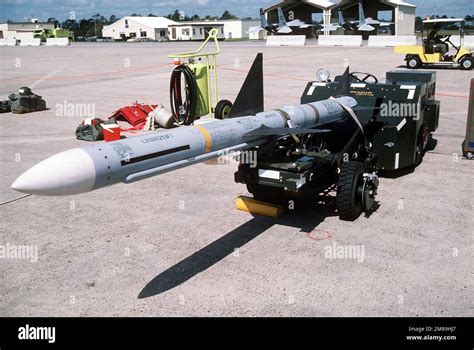
The F-15 Eagle, equipped with the AN/APG-63 radar, featured superior situational awareness and electronic warfare countermeasures. Its integration with the AIM-120 AMRAAM missile gave it a reliable and proven BVR capability, which outperformed the F-14 in actual combat scenarios. Additionally, the F-15 could carry the AIM-9 Sidewinder for short-range engagements and was later upgraded with active electronically scanned array (AESA) radar, vastly improving its targeting capability.
Simulated Combat and Real-World Engagements
Simulated Air Combat Results
During 1970s U.S. Air Force training exercises, F-14s were reported to have outperformed F-15s in early engagements, achieving an impressive 25:1 kill ratio. However, these simulations were conducted with specific constraints, where the F-15’s radar and missile capabilities were not fully utilized. Additionally, early F-15 models suffered from engine reliability issues, affecting their operational performance.
Pilot Reports and Real-World Dogfights
In real-world engagements, pilot feedback indicates that while the F-14 excelled at long-range interceptions and coordinated tactics, the F-15’s agility and superior avionics gave it a consistent edge in dogfights. Some reports suggest that in evenly matched scenarios, combat outcomes could be 50/50, depending on pilot skill and engagement conditions.
Upgrade Potential and Longevity
F-14’s Limitations and Retirement
The F-14’s complex swing-wing mechanism and maintenance-intensive airframe limited its modernization potential. By the early 2000s, the U.S. Navy retired the aircraft, replacing it with the F/A-18E/F Super Hornet. Today, only Iran’s Air Force continues to operate a small number of F-14s, though with limited upgrades.
F-15’s Continuous Evolution
The F-15 remains a frontline fighter in the U.S. Air Force, with the latest F-15EX variant boasting EPAWSS electronic warfare systems, APG-82 AESA radar, and enhanced engines for improved combat performance. The F-15EX is expected to serve beyond 2040, ensuring its relevance against modern threats.
Conclusion
Both aircraft represent the pinnacle of Cold War fighter design, tailored for their respective missions:
- F-14 Tomcat: A naval fleet defense interceptor, excelling in long-range engagements but limited in agility and modernization potential.
- F-15 Eagle: A dominant air superiority fighter, with superior maneuverability, advanced avionics, and continuous upgrades, ensuring its longevity.
In a one-on-one engagement, the outcome would depend on engagement range and tactical scenario. If relying on BVR missiles, the F-14 could hold an advantage. However, in a close-range dogfight, the F-15’s superior agility and avionics would likely secure victory.
FAQ
1. Why was the F-14 retired while the F-15 remains in service?
The F-14’s complex maintenance needs and lack of upgrade potential led to its retirement in 2006, while the F-15’s continuous modernization and reliability have allowed it to remain operational.
2. Could the F-14 defeat an F-15 in air combat?
The F-14’s long-range AIM-54 missiles provided an edge in BVR engagements, but in close combat, the F-15’s agility and superior avionics often gave it the advantage.
3. Is the F-15EX better than modern fighters like the F-35?
The F-15EX offers superior speed, payload, and range, but lacks the stealth capabilities of the F-35, making them suitable for different roles in modern warfare.