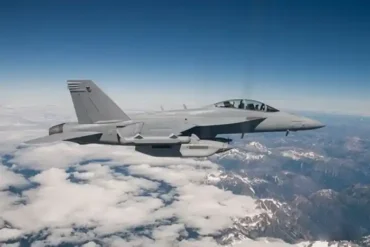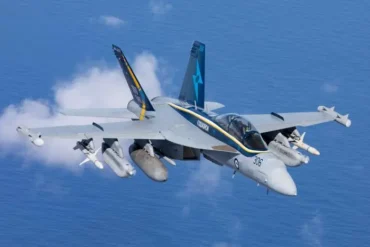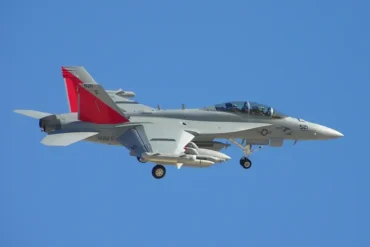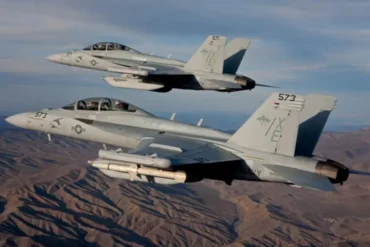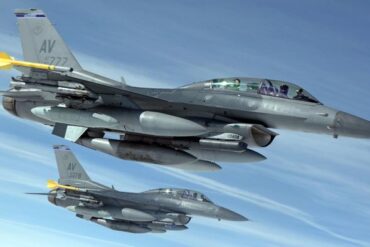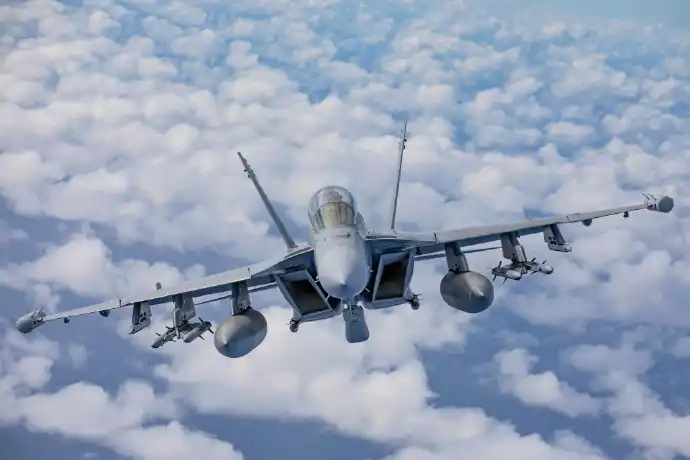
The EA-18G Growler and F-35 Lightning II represent two of the most sophisticated aircraft in modern aerial warfare, each excelling in distinct domains. The Growler, an electronic warfare (EW) platform, plays a pivotal role in disrupting enemy defenses, while the F-35, a stealth multirole fighter, dominates through precision strikes and situational awareness. This article offers an in-depth comparison of these aircraft, analyzing their roles, capabilities, and operational effectiveness in joint combat scenarios.
Primary Roles and Design Philosophy
EA-18G Growler: Electronic Warfare Powerhouse
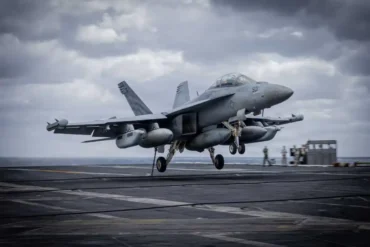
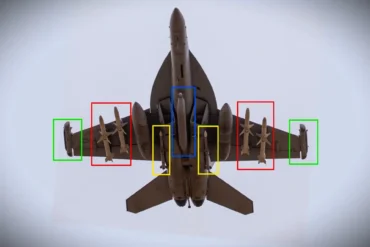
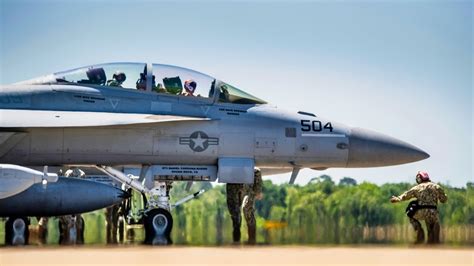
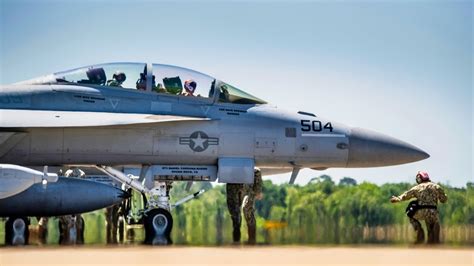
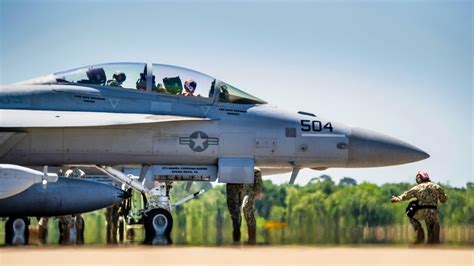
Derived from the F/A-18F Super Hornet, the EA-18G Growler is engineered to suppress enemy air defenses (SEAD/DEAD) and provide electromagnetic (EM) protection for allied forces. It retains the Super Hornet’s agility and weapon systems but integrates cutting-edge electronic attack suites such as the AN/ALQ-218(V)2 tactical receiver and AN/ALQ-99 jamming pods.
Key Strengths:
- Full-spectrum electronic attack: Covers VHF to 18 GHz frequencies, disrupting radar and communication networks.
- Anti-radiation strike capability: Employs AGM-88 HARM missiles to neutralize enemy radars.
- INCANS system: Ensures secure UHF communication even during active jamming operations.
F-35 Lightning II: Stealth Multirole Fighter
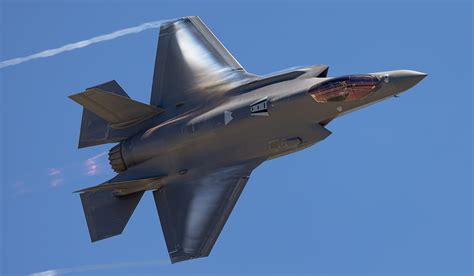
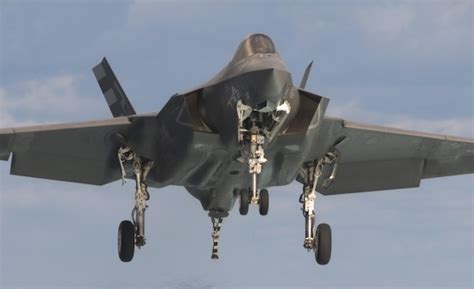
As a fifth-generation fighter, the F-35 Lightning II is designed for air dominance, deep penetration strikes, and network-centric warfare. Its stealth, AN/APG-81 AESA radar, and sensor fusion capabilities allow it to operate undetected in contested environments.
Key Strengths:
- Stealth technology: Reduces radar cross-section (RCS) to evade detection.
- Advanced sensor fusion: Integrates multiple data sources for superior situational awareness.
- Standoff engagement capability: Can launch long-range munitions like AIM-120D AMRAAM and JSM missiles.
Electronic Warfare vs. Stealth
| Aspect | EA-18G Growler | F-35 Lightning II |
|---|---|---|
| EW Capability | Specialized in active jamming, EM spectrum dominance | Focuses on passive detection via AN/ASQ-239 EW suite |
| Stealth | Limited stealth; relies on jamming to mask presence | Designed for low observability, minimizing RCS |
| Survivability | Depends on EW countermeasures and escort | Enhanced by stealth and sensor fusion |
Synergy in Combat
The F-35’s stealth profile allows it to penetrate heavily defended airspace undetected, while the Growler provides “stand-in” jamming to degrade enemy radars. This partnership was demonstrated in joint exercises, where EA-18Gs suppressed enemy defenses, allowing F-35s to execute precision strikes on high-value targets.
Air-to-Air and Anti-Stealth Capabilities
EA-18G’s Unique Edge in Electronic Attack
In a 2009 exercise, an EA-18G reportedly “shot down” an F-22 Raptor by combining AIM-120 missiles with targeted jamming, disrupting the F-22’s sensors and datalink. This highlights the Growler’s ability to counter stealth aircraft using electromagnetic suppression.
F-35’s Countermeasures Against Jamming
The F-35’s Distributed Aperture System (DAS) and AN/ASQ-239 suite enable it to detect and pinpoint jamming sources, potentially neutralizing threats like the Growler. Furthermore, its stealth complicates enemy radar targeting, making it harder to lock onto.
Operational Scenarios
High-Threat Environments
- The F-35 excels in first-day-of-war operations, striking high-value targets in contested airspace.
- The EA-18G supports follow-on forces, jamming enemy radars to facilitate non-stealth aircraft operations.
Counter-Stealth Missions
- The Growler’s ALQ-218 receiver detects low-probability-of-intercept (LPI) signals from stealth aircraft.
- The F-35 utilizes multi-static radar cooperation, coordinating with allied drones and aircraft to detect stealth adversaries.
Future Upgrades and Technological Advancements
EA-18G Growler: Next-Gen Jamming Capabilities
- The upcoming Next Generation Jammer (NGJ) will enhance power output, frequency coverage, and agility.
- Increased integration with networked warfare systems will improve interoperability with F-35s and other platforms.
F-35 Lightning II: Enhanced Electronic Warfare Resilience
- Upgrades to the AN/ASQ-239 suite will bolster counter-jamming capabilities.
- New AI-driven threat detection algorithms will improve real-time adaptability against electronic attacks.
Conclusion
The EA-18G Growler and F-35 Lightning II are complementary assets that embody the U.S. military’s shift towards integrated electromagnetic and kinetic warfare. While the Growler dominates in electronic attack, the F-35 excels in stealth and precision engagement. In a direct confrontation, mission context and supporting assets would be decisive, as the balance between stealth and electronic countermeasures continues to evolve.
FAQ
1. Can the EA-18G Growler detect stealth aircraft?
Yes, the ALQ-218 receiver on the Growler can detect low-probability-of-intercept (LPI) signals, giving it the ability to locate stealth aircraft indirectly. However, the F-35 employs multi-static radar tactics to counter such detections.
2. How does the F-35 protect itself from electronic warfare threats?
The F-35 features the AN/ASQ-239 EW suite, which provides passive detection of enemy jamming and adaptive countermeasures. It also leverages sensor fusion and AI-driven threat mitigation to minimize vulnerability.
3. Why does the U.S. military use both the EA-18G and the F-35 instead of one aircraft?
The EA-18G and F-35 serve complementary roles; the Growler suppresses enemy defenses through electronic jamming, while the F-35 penetrates enemy airspace stealthily to execute precision strikes. This combination maximizes operational effectiveness in modern air warfare.