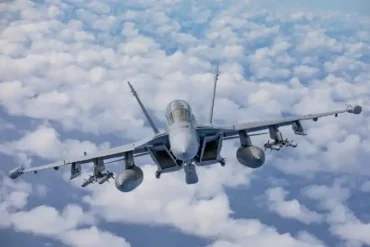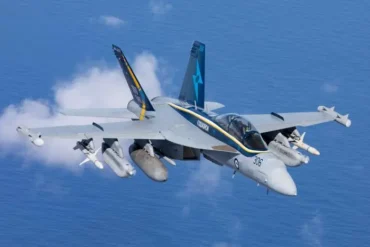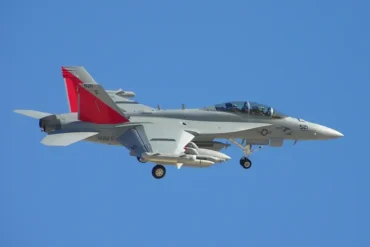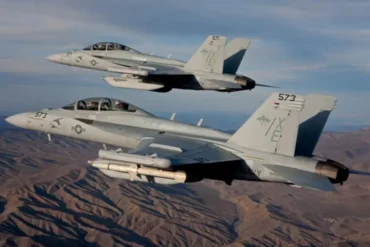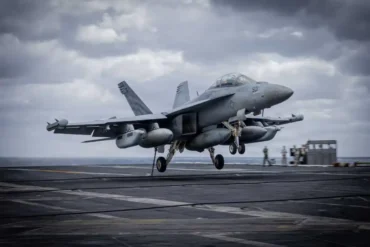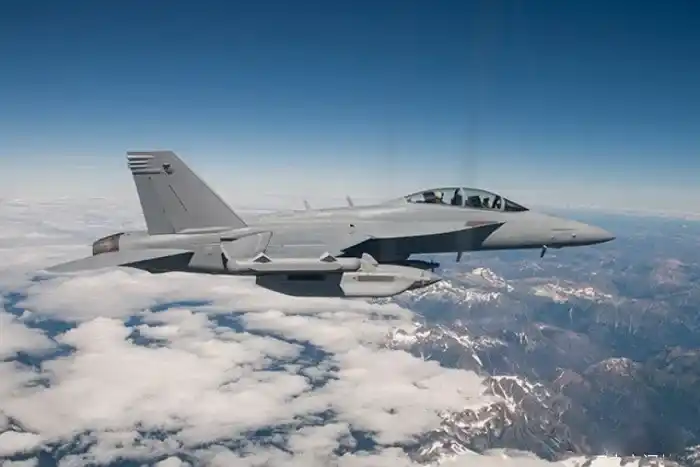
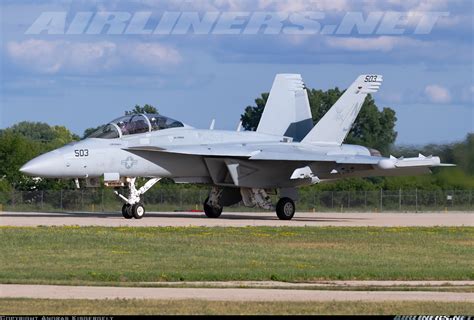
The EA-18G Growler and F/A-18 Super Hornet share a common airframe but serve vastly different roles within modern aerial warfare. While the Super Hornet is a multirole fighter built for both air-to-air and air-to-ground missions, the Growler is a dedicated electronic warfare (EW) platform, essential for Suppression of Enemy Air Defenses (SEAD). This article provides an in-depth comparison of these two aircraft, analyzing their design, avionics, weapons systems, and operational capabilities.
Primary Mission: Combat vs. Electronic Warfare
The fundamental distinction between the F/A-18 Super Hornet and the EA-18G Growler lies in their intended roles:
- EA-18G Growler: Developed as an electronic warfare aircraft, the Growler’s primary task is to jam enemy radar and communications, disrupt enemy air defense networks, and provide electronic attack (EA) support. This aircraft is pivotal for SEAD operations, ensuring that strike aircraft can penetrate heavily defended airspace.
- F/A-18 Super Hornet: A multirole fighter, the Super Hornet is designed for air superiority, ground attack, and reconnaissance. It carries a full suite of weapons, including air-to-air and air-to-ground munitions, and is often the primary strike force in carrier air wings (CVWs).
While both aircraft operate from U.S. Navy aircraft carriers, their mission profiles and combat roles are significantly different.
Electronic Warfare Systems: Jamming vs. Targeting
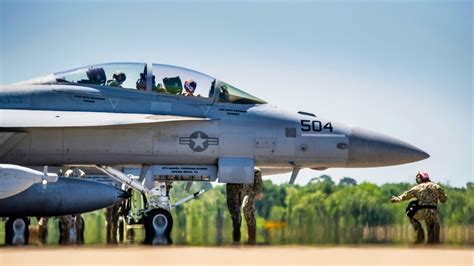
One of the most defining aspects of the EA-18G Growler is its advanced electronic warfare suite, which sets it apart from the Super Hornet.
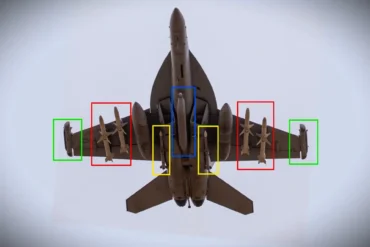
- EA-18G Growler: Equipped with AN/ALQ-218 radar warning receivers, the Growler can detect and classify enemy radar emissions in real time. It carries AN/ALQ-99 tactical jamming pods, designed to disrupt enemy radar, missiles, and communications systems. The aircraft will soon integrate the Next-Generation Jammer (NGJ), which significantly enhances its ability to counter advanced enemy air defenses.
- F/A-18 Super Hornet: While the Super Hornet is equipped with the AN/APG-79 AESA radar, it lacks dedicated electronic warfare systems. Instead, it focuses on targeting and threat detection for combat missions. The Block III upgrade introduces improved networking and sensor fusion capabilities, but it does not match the Growler’s electronic warfare dominance.
Weapons and Payload: Firepower vs. Suppression
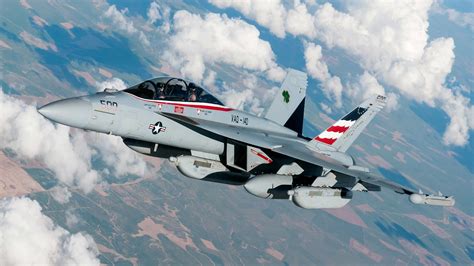
The weapon configurations of the EA-18G Growler and F/A-18 Super Hornet further illustrate their distinct combat purposes.
- EA-18G Growler:
- No internal cannon (sacrificed for electronic warfare systems).
- Armed with AIM-120 AMRAAM and AIM-9X Sidewinder missiles for self-defense.
- Primarily carries jamming pods and electronic attack payloads instead of heavy munitions.
- Can employ AGM-88 HARM missiles to destroy enemy radar sites.
- F/A-18 Super Hornet:
- Equipped with a M61A2 20mm cannon for close-range dogfights.
- Can carry up to 17,750 lbs of ordnance on 11 hardpoints.
- Capable of launching AIM-9X, AIM-120 AMRAAM, JDAMs, JSOWs, and other precision-guided munitions.
- Supports a wide range of air-to-ground and air-to-air mission profiles.
While the Super Hornet is a true multirole platform with offensive strike capabilities, the Growler sacrifices firepower for electronic attack superiority.
Crew and Avionics: Mission-Specific Differences
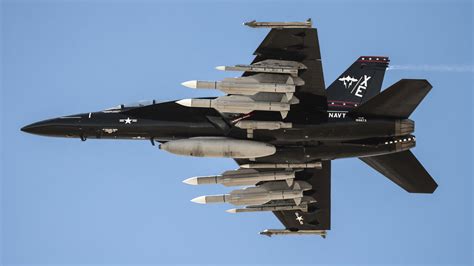
Both aircraft operate with a two-seat crew configuration, but their roles differ significantly:
- EA-18G Growler:
- Pilot and Electronic Warfare Officer (EWO) work together to manage complex jamming operations.
- Equipped with AN/ALQ-227 communications countermeasures suite to intercept and disrupt enemy transmissions.
- Requires advanced mission planning to ensure seamless integration with strike forces.
- F/A-18F Super Hornet (two-seat variant):
- The pilot and Weapons Systems Officer (WSO) coordinate strike planning and targeting.
- Uses advanced sensor fusion and networking to engage multiple air and ground targets.
- The single-seat F/A-18E variant is optimized for solo fighter missions.
While both aircraft share similar cockpit layouts, the Growler’s mission systems and avionics are uniquely tailored for electronic warfare dominance.
Performance and Upgrades: How Do They Compare?
The EA-18G Growler and F/A-18 Super Hornet share a common airframe derived from the F/A-18E/F series, but there are notable differences in their performance characteristics due to the Growler’s additional electronic warfare equipment.
- Speed & Range:
- Max speed: Both aircraft can reach approximately Mach 1.8.
- Combat radius: Around 450 nautical miles, though the Growler carries additional weight due to its EW pods.
- Upgrades:
- EA-18G Growler: The introduction of Next-Generation Jammer (NGJ-MB) will replace legacy AN/ALQ-99 pods, improving range, power, and multi-target engagement.
- F/A-18 Super Hornet (Block III):
- Enhanced low-observable coatings for reduced radar signature.
- Upgraded cockpit displays and networking for better situational awareness.
- Conformal fuel tanks for extended range.
Despite their shared origins, the Super Hornet is optimized for direct combat, whereas the Growler focuses on electronic battlefield dominance.
Conclusion: Complementary Assets in Modern Warfare
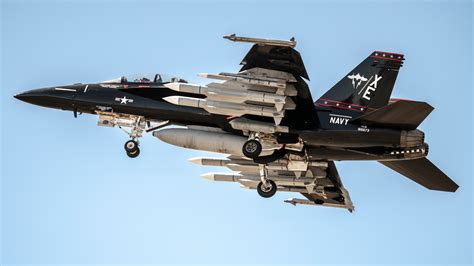
The EA-18G Growler and F/A-18 Super Hornet serve distinct but complementary roles in carrier-based aviation. The Super Hornet provides strike and air superiority, while the Growler ensures electronic dominance, suppressing enemy defenses and disrupting battlefield communications.
Together, these aircraft form a highly effective tandem, ensuring carrier strike groups maintain the upper hand in modern conflicts. The EA-18G Growler’s ability to neutralize radar threats allows the Super Hornet and other aircraft to operate with reduced risk, demonstrating the importance of electronic warfare in modern aerial combat.
FAQ: EA-18G Growler vs. F/A-18 Super Hornet
1. Can the EA-18G Growler engage in air-to-air combat?
While the EA-18G Growler is not designed for dogfighting, it retains AIM-120 AMRAAM and AIM-9X Sidewinder missiles for self-defense. However, its primary role is electronic warfare, not direct air combat.
2. Why doesn’t the EA-18G Growler have an internal cannon?
The M61A2 20mm cannon was removed from the Growler to make room for electronic warfare systems. Unlike the F/A-18 Super Hornet, which relies on its cannon for close-range engagements, the Growler prioritizes jamming and suppression capabilities.
3. What makes the Next-Generation Jammer (NGJ) a significant upgrade?
The NGJ-MB replaces the older AN/ALQ-99 pods, offering greater power, improved jamming range, and better multi-target tracking. It enhances the Growler’s capability to counter emerging threats, ensuring superior electronic warfare performance in future conflicts.