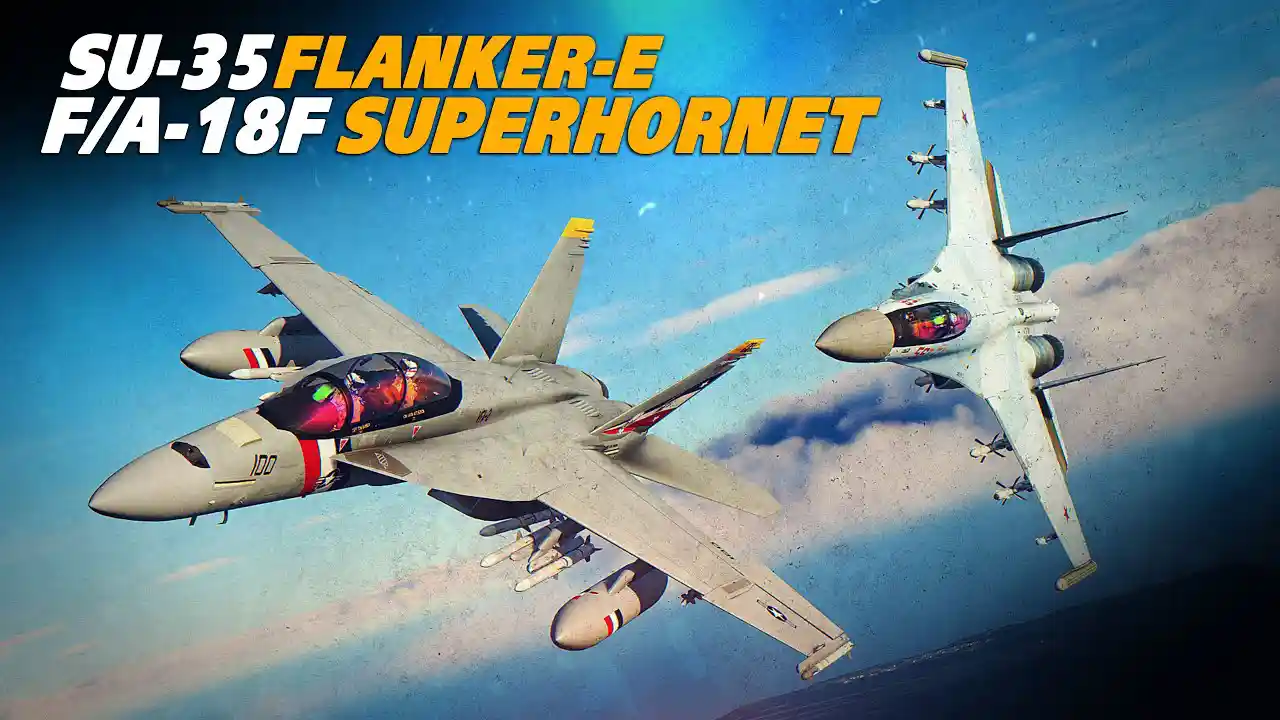
The F/A-18 Super Hornet and the Sukhoi Su-35 Flanker-E represent two of the most formidable fighter jets in modern aerial warfare. While both aircraft boast advanced avionics, formidable firepower, and unique operational capabilities, their distinct design philosophies cater to different combat scenarios. This article explores their performance, avionics, armament, operational roles, and overall effectiveness in air combat.
Design and Role Differences
F/A-18 Super Hornet
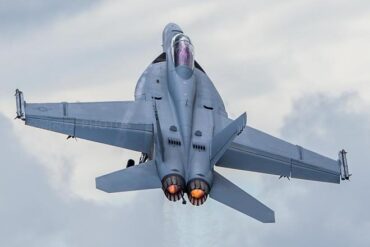
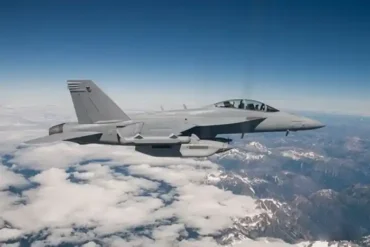
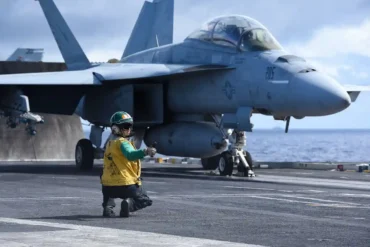
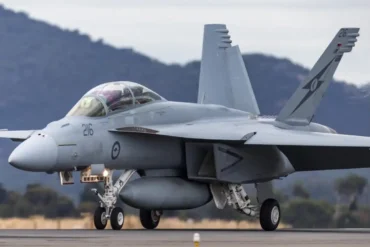
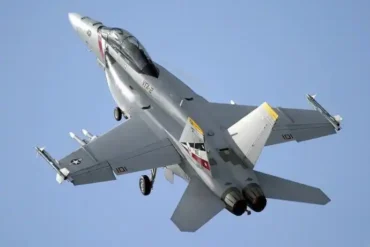
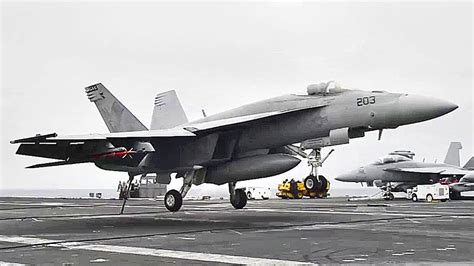
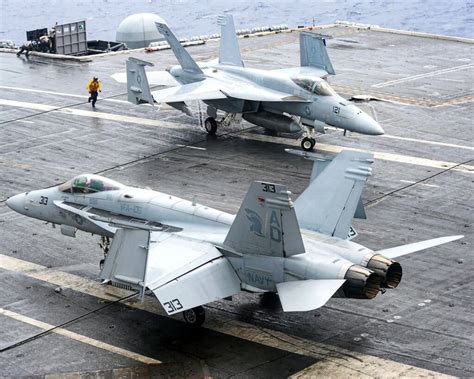
The F/A-18 Super Hornet is a twin-engine, carrier-capable multirole fighter that serves as the backbone of the U.S. Navy’s carrier air wings. It is designed for versatility, seamlessly executing both air-to-air and ground attack missions.
Key Design Features:
- Larger airframe than the earlier Hornet model, increasing fuel capacity and payload.
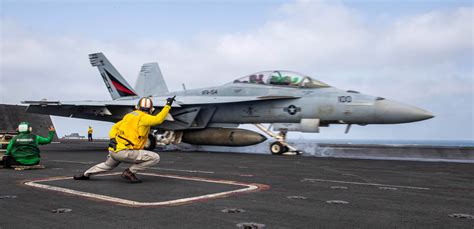
- Carrier operations optimized with features like reinforced landing gear, tailhooks for arrested landings, and foldable wings.
- Weapons integration, including the M61A2 20mm rotary cannon, AIM-120 AMRAAM air-to-air missiles, and precision-guided bombs.
Su-35 Flanker-E
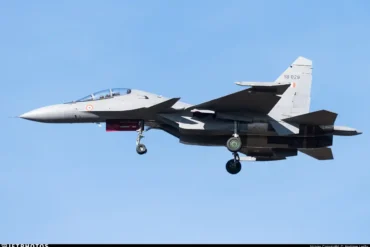
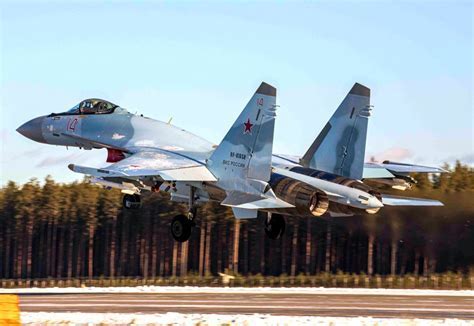
The Sukhoi Su-35 Flanker-E is a 4++ generation air superiority fighter that prioritizes high-speed maneuverability and long-range engagements. It is a heavily modernized derivative of the Su-27, designed to outperform potential adversaries in aerial combat.
Key Design Features:
- Twin AL-41F1S engines with 3D thrust vectoring, enabling extreme agility.
- Optimized for dogfights and long-range strikes, featuring supercruise capability and extended combat radius.
- Heavy weapons payload, including R-77 and R-73 air-to-air missiles.
Avionics and Sensor Systems
F/A-18 Super Hornet
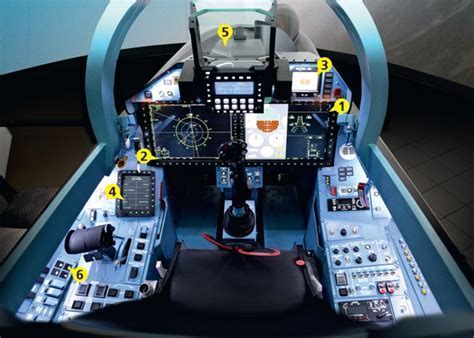
The Super Hornet is equipped with some of the most advanced avionics and sensor suites in modern combat aviation.
- APG-79 AESA Radar: Provides superior target tracking, electronic warfare capabilities, and low-probability-of-intercept performance.
- AN/ALQ-214 IDECM Suite: Integrates electronic countermeasures, including the ALE-50 towed decoy for missile evasion.
- Network-Centric Warfare: Allows seamless data sharing with other allied aircraft, enhancing situational awareness.
Su-35 Flanker-E
The Su-35’s avionics suite emphasizes long-range detection and engagement.
- N035 Irbis-E PESA Radar: Capable of detecting targets with a radar cross-section (RCS) of 3m² at distances of 400 km.
- L-Band AESA Wing Root Radars: Enhances stealth detection capabilities, countering modern low-observable threats.
- IRST System: Provides passive targeting capabilities, reducing reliance on active radar emissions.
Combat Performance and Maneuverability
F/A-18 Super Hornet
The Super Hornet prioritizes stability and multirole capability over extreme agility.
- Top Speed: Mach 1.6 (1,190 mph).
- Combat Radius: Over 650 nautical miles with external fuel tanks.
- Maneuverability: Agile but lacks thrust-vectoring technology.
Su-35 Flanker-E
The Su-35 is a highly maneuverable fighter optimized for dogfighting and high-speed engagements.
- Top Speed: Mach 2.25 (1,500 mph).
- Combat Radius: 2,200 miles without external tanks.
- 3D Thrust-Vectoring Nozzles: Enables extreme post-stall maneuvers, including the Pugachev’s Cobra.
Armament and Weapons Loadout
F/A-18 Super Hornet
- M61A2 Vulcan 20mm rotary cannon.
- AIM-120 AMRAAM and AIM-9 Sidewinder missiles.
- JDAM precision-guided bombs and AGM-88 HARM missiles.
- 11 hardpoints with a total payload of 17,750 lbs.
Su-35 Flanker-E
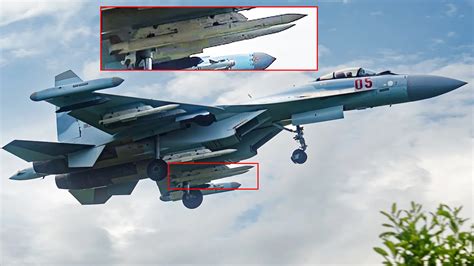
- GSh-30-1 30mm autocannon.
- R-77 (beyond-visual-range) and R-73 (short-range) missiles.
- Kh-31 anti-ship and air-to-ground missiles.
- 12 hardpoints with a payload capacity of 17,630 lbs.
Operational Use and Export
F/A-18 Super Hornet
- Operators: U.S. Navy, Royal Australian Air Force.
- Favored for carrier operations due to its reliability, maintenance efficiency, and compatibility with naval strike packages.
Su-35 Flanker-E
- Operators: Russia, China, Egypt.
- Limited exports due to geopolitical restrictions and the emergence of the Su-57 stealth fighter.
Cost and Maintenance
F/A-18 Super Hornet
- Lower operational cost compared to 5th-generation fighters.
- Extensive logistical support in NATO-aligned forces.
Su-35 Flanker-E
- Expensive maintenance due to advanced avionics and thrust-vectoring engines.
- Lack of stealth reduces survivability against 5th-generation aircraft.
Conclusion
The F/A-18 Super Hornet and Su-35 Flanker-E serve distinct roles in modern warfare. The Super Hornet excels in multirole versatility, electronic warfare, and naval integration, making it a reliable carrier-based fighter. The Su-35, on the other hand, offers exceptional maneuverability, superior speed, and long-range targeting capabilities, making it an effective air superiority fighter. In a hypothetical engagement, the Su-35’s superior speed and radar range could allow it to engage first, but the Super Hornet’s AESA radar and networked warfare capabilities might mitigate this disadvantage. Ultimately, mission context and supporting assets determine the outcome of any engagement.
FAQ
1. Which aircraft has better dogfighting capabilities?
The Su-35 Flanker-E holds the advantage in close-range combat due to its thrust-vectoring engines and superior maneuverability, allowing it to perform extreme aerial maneuvers.
2. Can the Super Hornet compete with the Su-35 in a direct engagement?
While the Super Hornet lacks thrust vectoring, its advanced AESA radar, electronic warfare suite, and networked capabilities allow it to offset some of the Su-35’s advantages, particularly in beyond-visual-range engagements.
3. Why is the Super Hornet preferred for naval operations?
The Super Hornet is carrier-capable, featuring reinforced landing gear, tailhooks, and folding wings. It is designed for reliability, multirole capability, and cost-effective operation within a naval strike package.