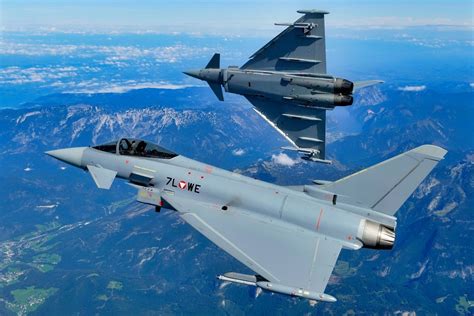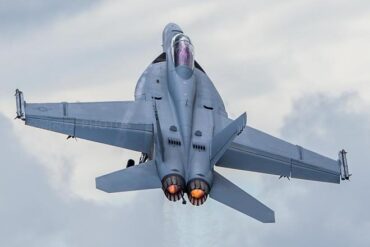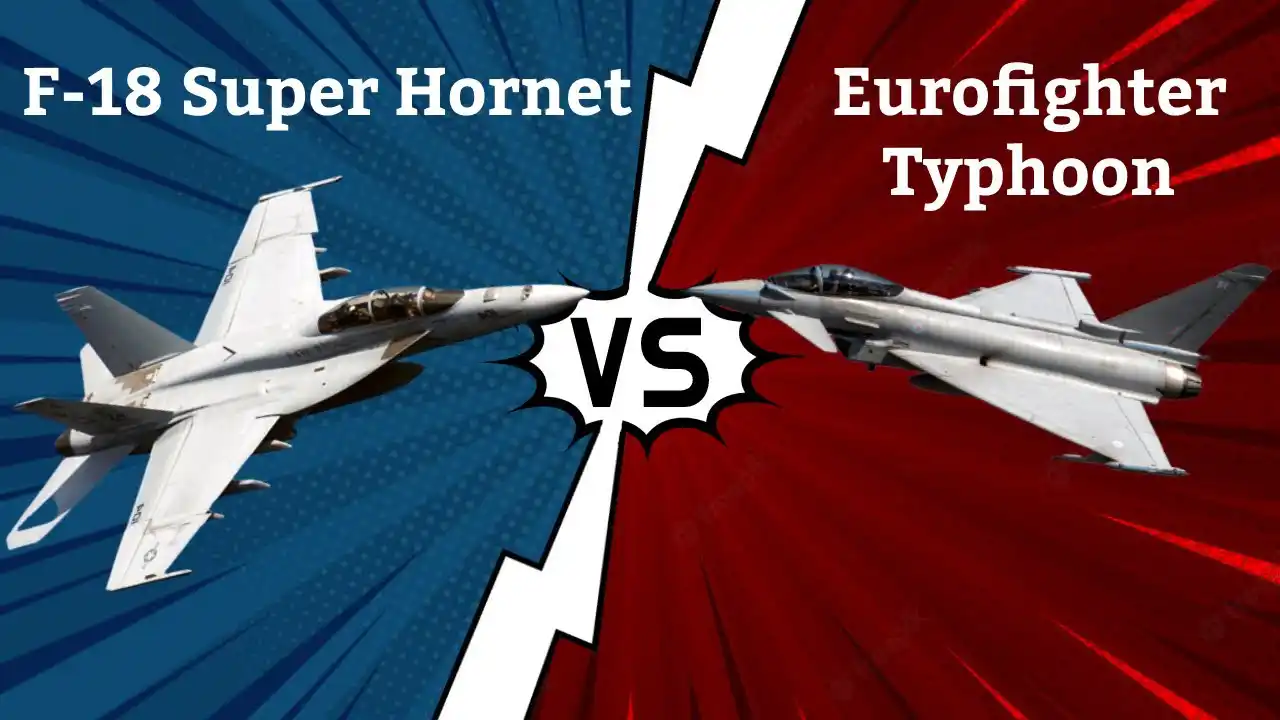
The F/A-18E/F Super Hornet and Eurofighter Typhoon are two highly capable fourth-generation fighter jets developed for different operational roles. The Super Hornet serves as the backbone of the United States Navy’s carrier air wings, while the Eurofighter Typhoon is a multinational European air superiority fighter. Both aircraft have distinct advantages and limitations, making them suitable for different combat scenarios. This article provides an in-depth analysis of their performance, mission capabilities, armament, sensors, and real-world deployment history.
Design and Multirole Capability
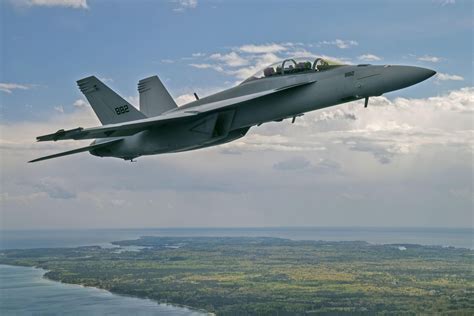
F/A-18E/F Super Hornet
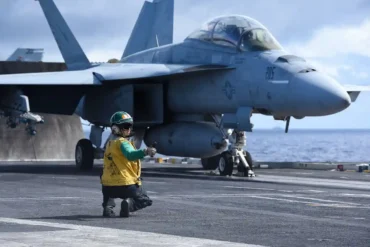
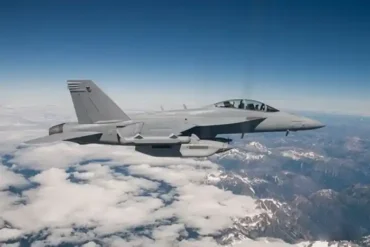
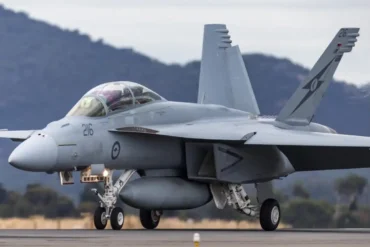
The Super Hornet is an advanced derivative of the original F/A-18 Hornet, developed by Boeing to replace aging aircraft such as the F-14 Tomcat. Designed primarily for carrier-based operations, it features:
- Enhanced airframe durability for repeated carrier takeoffs and landings.
- Improved avionics and radar signature reduction for better survivability.
- Multirole capability, allowing it to perform air-to-air combat, ground attack, electronic warfare, and reconnaissance.
- Proven combat record, having participated in the Iraq War, Afghanistan operations, and other global conflicts.
Eurofighter Typhoon
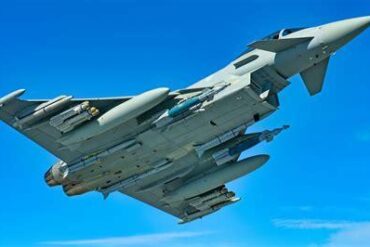
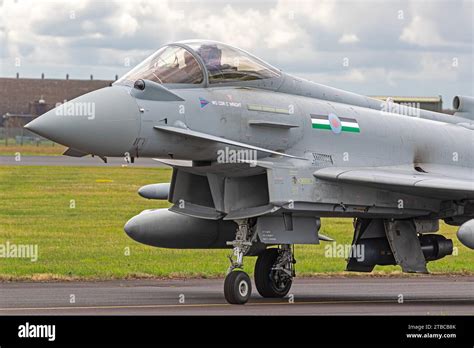
Developed jointly by the United Kingdom, Germany, Italy, and Spain, the Eurofighter Typhoon was initially conceived as a pure air superiority fighter but later adapted for multirole operations. Its design highlights include:
- Canard-delta wing configuration for superior maneuverability and agility.
- Optimized high-speed performance, capable of sustained Mach 1.6 supercruise.
- Integration with European-developed weapon systems, enhancing beyond-visual-range (BVR) combat capabilities.
- Service with multiple air forces, including the Royal Air Force, German Luftwaffe, Italian Air Force, and Spanish Air Force.
Speed and Maneuverability
Super Hornet
While the Super Hornet does not match the raw speed of the Typhoon, it compensates with:
- Advanced fly-by-wire controls, improving handling in close-quarters dogfights.
- Maximum speed of Mach 1.8.
- Enhanced low-speed maneuverability, critical for carrier landings and strike missions.
- High angle-of-attack (AoA) capability, allowing it to sustain aggressive turns in combat.
Typhoon
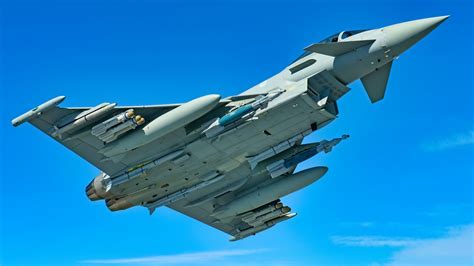
Designed as an air superiority fighter, the Eurofighter Typhoon outperforms the Super Hornet in terms of speed and agility:
- Supercruise capability (Mach 1.6) without afterburners, increasing fuel efficiency in combat.
- Exceptional thrust-to-weight ratio, improving acceleration and climb rate.
- 9G maneuverability, making it highly effective in dogfights and quick interceptions.
Weapons and Sensor Systems
Super Hornet Armament
The Super Hornet is armed with a vast array of U.S.-developed weapons:
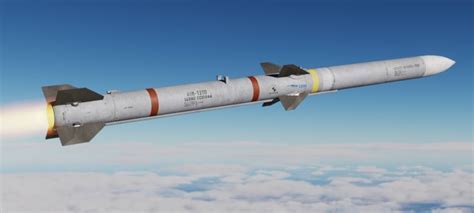
- AIM-120 AMRAAM for long-range engagements.
- AIM-9X Sidewinder for close-range dogfights.
- AGM-88 HARM for enemy radar suppression.
- JDAM precision-guided bombs for ground attack.
- AN/APG-79 AESA radar, providing advanced tracking and targeting capabilities.
Typhoon Armament
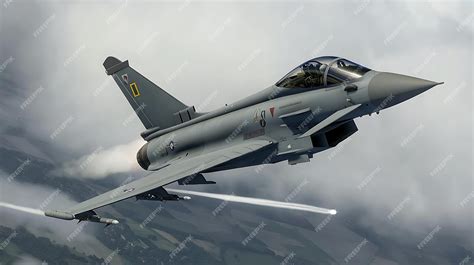
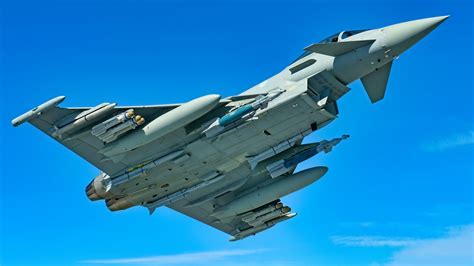
The Eurofighter Typhoon carries an extensive European-designed weapons suite:
- MBDA Meteor missile for superior BVR combat.
- IRIS-T and ASRAAM for short-range engagements.
- Storm Shadow cruise missiles for deep strike missions.
- Captor-E AESA radar, enhancing situational awareness.
Combat Experience and Deployment
Super Hornet in Combat
The Super Hornet has seen extensive combat use:
- Operation Iraqi Freedom (2003): Conducted airstrikes and patrol missions.
- Operation Enduring Freedom (Afghanistan): Supported coalition ground forces.
- Syrian Air Campaign: Engaged in precision strikes against terrorist targets.
Typhoon in Combat
The Eurofighter Typhoon has had limited combat engagements but has proven effective:
- Libya Intervention (2011): Conducted air superiority and ground strike missions.
- Middle East Operations: Used for precision airstrikes against armored targets.
Limitations and Future Outlook
Super Hornet
- Lacks stealth technology, making it vulnerable against modern air defenses.
- Limited air superiority against advanced fifth-generation fighters like the F-35 and Su-57.
Typhoon
- Multi-nation development results in logistical and upgrade challenges.
- Absence of full stealth capabilities, requiring electronic warfare support in high-threat environments.
Conclusion
The F/A-18E/F Super Hornet and Eurofighter Typhoon cater to different combat needs. The Super Hornet is optimized for carrier operations, multirole versatility, and combat-proven reliability, while the Eurofighter Typhoon excels in high-speed engagements, dogfighting, and beyond-visual-range combat. The choice between the two depends on mission requirements, operational doctrine, and national defense priorities.
Frequently Asked Questions (FAQ)
1. Which jet is superior in air combat, the Super Hornet or the Eurofighter Typhoon?
The Eurofighter Typhoon has superior speed, maneuverability, and long-range missile capability, making it better for air superiority missions. However, the Super Hornet is a more versatile multirole fighter with extensive combat experience.
2. Can the Super Hornet match the Typhoon in a dogfight?
While the Super Hornet is highly maneuverable, the Typhoon’s canard-delta wing design and high thrust-to-weight ratio give it an edge in close-range dogfights.
3. Which aircraft has more advanced avionics and sensors?
Both aircraft feature AESA radar technology, but the Super Hornet’s AN/APG-79 and electronic warfare suite offer enhanced situational awareness and survivability, while the Typhoon’s Captor-E and Meteor missiles provide exceptional BVR combat effectiveness.