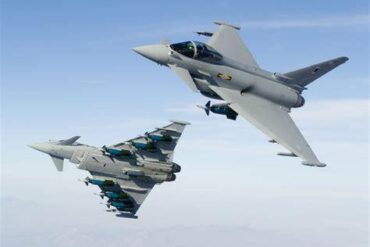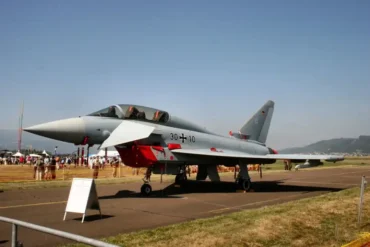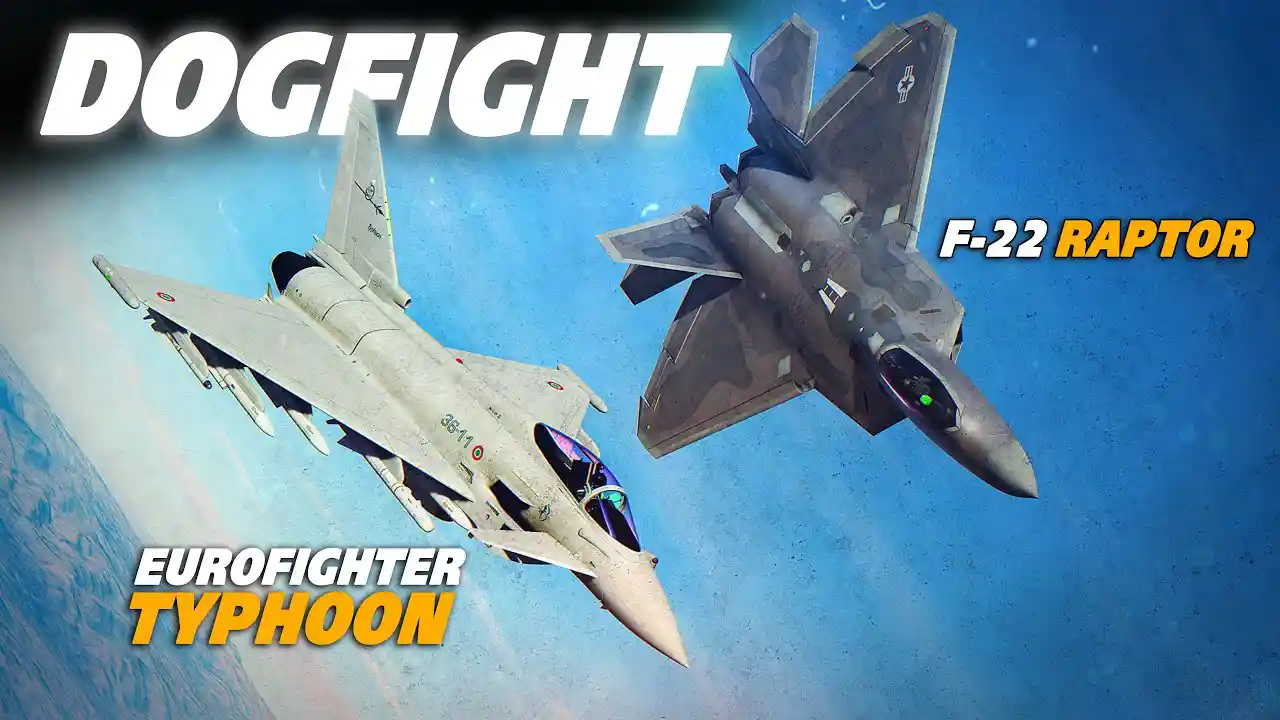
The debate between the F-22 Raptor and the Eurofighter Typhoon has been a prominent topic of discussion within military aviation circles. Both of these aircraft represent cutting-edge technology in their respective classes, but they are designed with very different goals in mind. The F-22, a 5th-generation stealth fighter, is engineered for air superiority, while the Eurofighter Typhoon, a 4.5th-generation multirole jet, emphasizes versatility and multirole capabilities. In this detailed comparison, we will examine various aspects of these two fighter jets, from stealth and detection systems to maneuverability, avionics, and overall mission effectiveness.
Stealth and Detection Systems
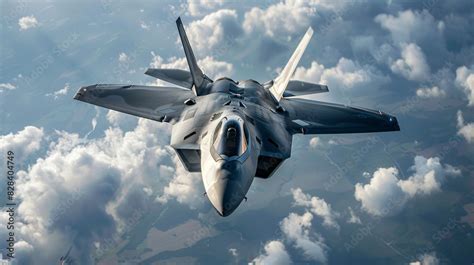
F-22 Raptor: The Pinnacle of Stealth Technology
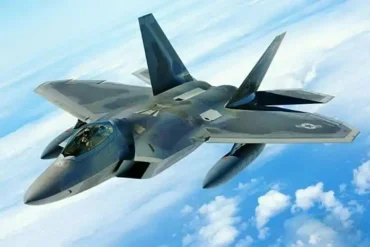
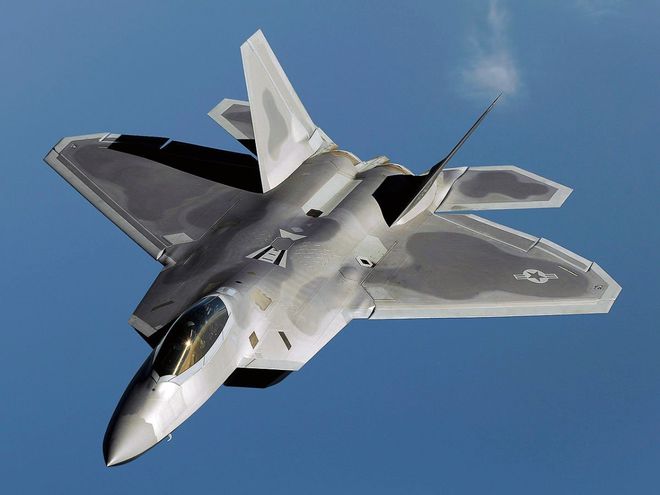
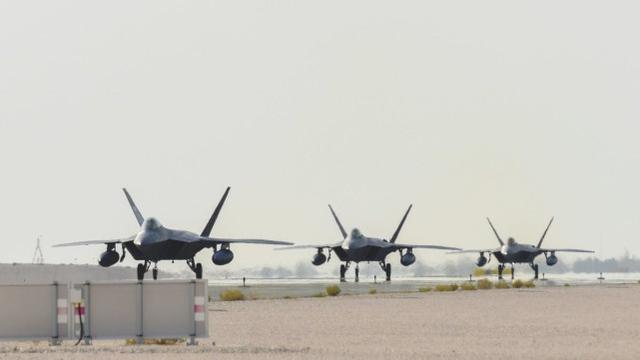
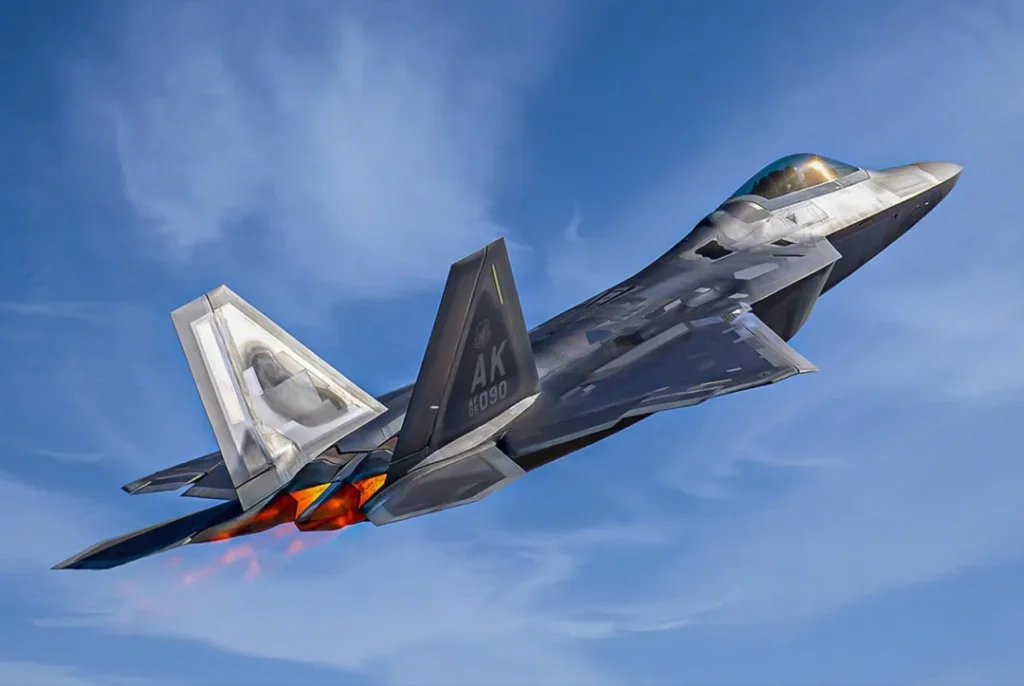
The F-22 Raptor is renowned for its stealth capabilities, making it nearly invisible to radar. Its airframe, designed with a diamond-shaped structure and the use of radar-absorbent materials, results in an extremely low radar cross-section (RCS) of approximately 0.01 m², roughly the size of a small bird. This makes it incredibly difficult for enemy radar systems to detect the F-22, particularly from longer ranges. However, there are limitations, as its rear-facing stealth capabilities are weaker in comparison to its front-facing stealth, which is designed to optimize aerodynamic performance.
The AN/APG-77 AESA radar aboard the F-22 plays a crucial role in maintaining this stealth profile, offering advanced long-range detection and electronic warfare capabilities. However, it is important to note that the F-22 lacks an infrared search and track (IRST) system, which makes it vulnerable to heat-based detection, especially from aircraft like the Eurofighter Typhoon.
Eurofighter Typhoon: Compensating for the Lack of Stealth
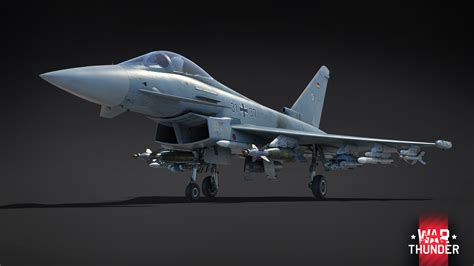
On the other hand, the Eurofighter Typhoon is not equipped with stealth technology. As a 4.5th-generation fighter, it is designed to operate in environments where stealth is not a primary focus. Instead, the Typhoon utilizes its PIRATE IRST system, which allows it to detect heat signatures, including those from stealth aircraft like the F-22, at ranges exceeding 100 kilometers. This advanced system provides the Typhoon with a critical advantage in detecting stealth aircraft during close-range engagements. Although the Typhoon does not enjoy the same level of stealth as the F-22, it can leverage its IRST and radar capabilities to detect and engage targets at closer ranges effectively.
Speed and Maneuverability
F-22 Raptor: Unmatched Agility and Supercruise
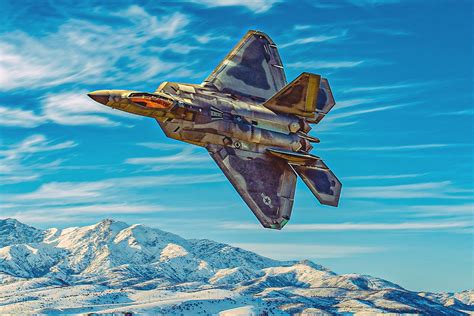
The F-22 Raptor is designed for extreme agility, boasting supercruise capabilities that allow it to sustain speeds of Mach 1.5+ without the need for afterburners. This is made possible by its Pratt & Whitney F119 engines, which provide significant thrust while ensuring fuel efficiency at high speeds. The F-22 is equipped with thrust vectoring nozzles, which allow for extraordinary agility in post-stall maneuvers. This capability is particularly valuable in close-air combat scenarios, where the ability to outmaneuver an opponent can make the difference between success and failure.
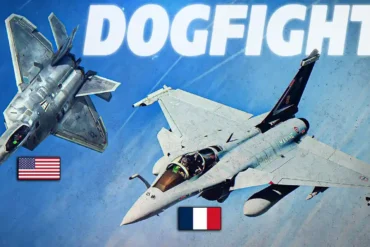
In Red Flag exercises, the F-22’s maneuverability has been tested in realistic combat simulations, where it has outperformed competitors, including the Eurofighter Typhoon, in high-stress dogfight situations.
Eurofighter Typhoon: High Agility but Limited by Thrust Vectoring
The Eurofighter Typhoon is also known for its impressive agility, thanks to its delta wing and canard design, which enable rapid changes in direction and high-performance turns. The EJ200 engines provide strong thrust, allowing the Typhoon to reach speeds of Mach 1.2 in War Emergency Power mode. However, this speed is not sustainable, and the aircraft lacks thrust vectoring capabilities, limiting its maneuverability compared to the F-22. In high-intensity dogfights, the absence of thrust vectoring means the Typhoon cannot perform extreme maneuvers, such as Cobra turns, which the F-22 excels at.
Despite these limitations, the Typhoon is equipped with advanced avionics that allow for effective high-angle-of-attack maneuvers and provide it with strong performance during close-range combat.
Sensors and Avionics
F-22 Raptor: Radar Dominance with Limited Sensor Fusion
The F-22 Raptor is equipped with the AN/APG-77 AESA radar, which is one of the most advanced radar systems in the world. This radar provides long-range detection, target tracking, and electronic warfare capabilities, giving the F-22 an edge in beyond-visual-range (BVR) engagements. However, the F-22’s avionics are somewhat limited by the fact that the aircraft was designed in the 1990s. For instance, it lacks modern distributed aperture systems (DAS) and helmet-mounted displays (HMDs), although recent upgrades have introduced the Scorpion HMD.
While the radar capabilities of the F-22 are unparalleled in air-to-air combat, the lack of modern sensor fusion means that the F-22 is reliant on its radar to maintain situational awareness, which can make it vulnerable to detection if the radar is active for extended periods.
Eurofighter Typhoon: Superior Sensor Fusion and Situational Awareness
The Eurofighter Typhoon is equipped with the Captor-E AESA radar and the PIRATE IRST system, both of which contribute to its superior situational awareness in non-stealth environments. The Typhoon’s multi-sensor integration provides a comprehensive view of the battlefield, allowing the aircraft to track multiple targets simultaneously while minimizing the risk of detection. The PIRATE system enhances the Typhoon’s capability to track heat signatures, allowing it to counter stealth aircraft like the F-22 at shorter ranges.
Additionally, the Typhoon’s open architecture allows for easy upgrades, providing the flexibility to integrate new systems and weapons in the future. This contrasts with the F-22’s more closed system, which limits its potential for modernization without significant investment.
Cost and Maintenance
F-22 Raptor: High Cost, High Maintenance
The F-22 Raptor is one of the most expensive fighter jets ever built, with a unit cost of around $150 million (excluding research and development). Its maintenance costs are equally high, with hourly operating expenses exceeding $40,000. The aircraft’s stealth coatings require meticulous care and need to be maintained in climate-controlled hangars. Furthermore, the F-22’s specialized components require labor-intensive upkeep, which has led to operational challenges.
The F-22 fleet is limited, with only 186 aircraft produced, of which only around 120 are currently operational due to the high maintenance demands. These factors contribute to the overall operational cost of the aircraft, making it a highly specialized platform reserved for specific missions and air superiority roles.
Eurofighter Typhoon: Affordable and Easy to Maintain
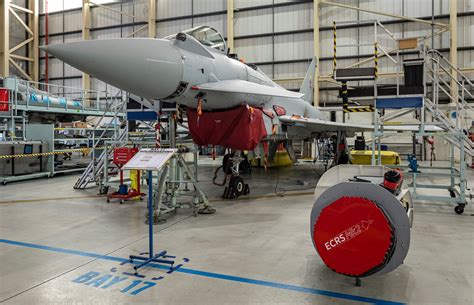
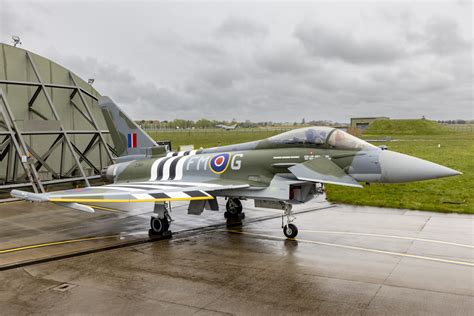
In contrast, the Eurofighter Typhoon offers a more cost-effective solution for air forces, with a unit cost of approximately $90 million. The absence of stealth coatings simplifies maintenance, and its modular design ensures that maintenance can be carried out more efficiently. The Typhoon’s robust and reliable systems, coupled with its relatively lower operating costs, make it a versatile choice for European and Middle Eastern air forces.
With over 500 units produced, the Typhoon’s mass production and relatively lower maintenance demands have made it a workhorse for various air forces, allowing for broader deployment across different combat scenarios.
Combat Roles & Limitations
F-22 Raptor: Air Superiority and Limited Multirole Capability
The F-22 Raptor is primarily designed for air superiority missions, excelling in beyond-visual-range (BVR) combat. Its stealth and advanced radar systems make it highly effective in detecting and engaging enemy aircraft before they even see the Raptor. However, the F-22’s internal weapons bay limits its payload capacity, typically carrying 6–8 missiles internally to maintain its stealth profile. This restriction on external weapons limits its versatility compared to multirole fighters like the Eurofighter Typhoon.
While the F-22 is a dominant force in BVR engagements, its ability to excel in close-range dogfights is somewhat limited. The lack of an IRST system makes it more vulnerable to heat-seeking missiles and detection in certain close-quarters scenarios. Additionally, the F-22’s relatively limited multirole capability—primarily focused on air superiority—makes it less adaptable for ground-attack or reconnaissance missions compared to other fighter jets.
Eurofighter Typhoon: Multirole Flexibility with Vulnerabilities
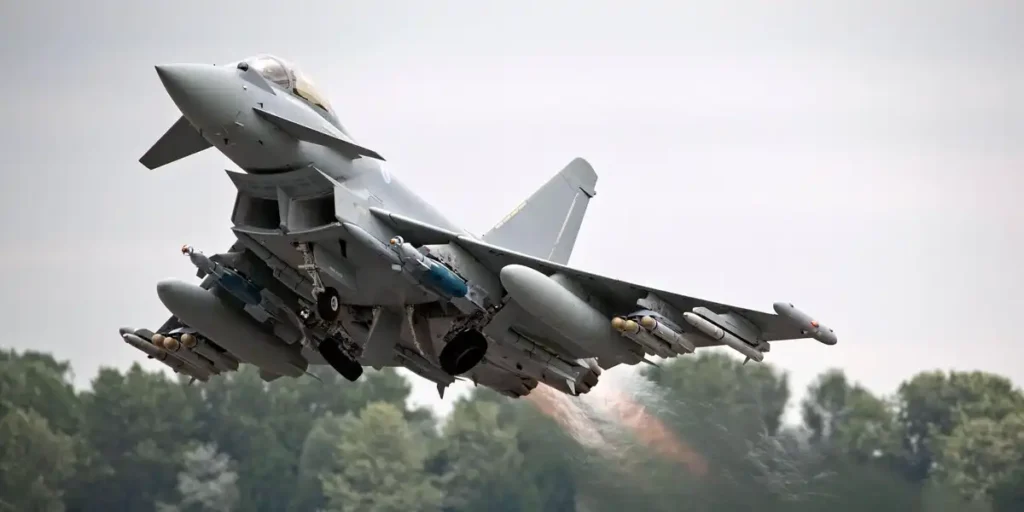
The Eurofighter Typhoon is a highly versatile multirole jet, capable of performing air-to-air, air-to-ground, and reconnaissance missions. Its design emphasizes flexibility, allowing it to carry a wide variety of payloads, including external fuel tanks and precision-guided munitions for extended range and multi-environment operations. This makes the Typhoon a workhorse for air forces that require a fighter capable of handling a range of combat scenarios.
However, while the Eurofighter Typhoon excels in multirole flexibility, it is somewhat vulnerable to stealth aircraft, such as the F-22. The PIRATE IRST system provides a counter to stealth by detecting heat signatures, but this system may not always be sufficient in combating the superior stealth capabilities of 5th-generation fighters. Additionally, the Typhoon’s reliance on external weapons and fuel tanks increases its radar signature, compromising its ability to operate in highly contested environments against stealthy adversaries.
Both aircraft reflect the distinct philosophies behind their design: the F-22 as a specialized air superiority platform, and the Typhoon as a versatile, upgradable multirole fighter suited for a variety of missions but with some inherent vulnerabilities.
Conclusion: A Tale of Two Design Philosophies
In conclusion, the F-22 Raptor and Eurofighter Typhoon are both exceptional aircraft, but they serve distinct roles within the modern air force. The F-22, with its unparalleled stealth and BVR capabilities, is the ultimate air superiority fighter, excelling in long-range engagements. However, its high cost, limited payload, and aging systems limit its versatility and effectiveness in close-range combat scenarios.
The Eurofighter Typhoon, while lacking the stealth features of the F-22, compensates with its multirole flexibility and superior sensor fusion. It is a more cost-effective option for air forces that require a versatile fighter capable of performing air-to-air, air-to-ground, and reconnaissance missions. Although the Eurofighter lacks the stealth capabilities of the F-22, its PIRATE IRST system allows it to counter stealth threats at closer ranges, making it a formidable adversary in certain combat environments.
FAQ
1. What makes the F-22 Raptor superior in air combat?
The F-22 Raptor is superior due to its stealth capabilities, advanced radar, and supercruise ability. These factors make it nearly invisible to enemy radar and allow it to engage opponents at long ranges, providing a significant advantage in air superiority missions.
2. Why does the Eurofighter Typhoon lack stealth?
The Eurofighter Typhoon was designed as a multirole fighter, prioritizing versatility over stealth. Its capabilities, such as PIRATE IRST and advanced radar, allow it to counter stealth aircraft, but it is not optimized for low observability.
3. Which aircraft is better for close-quarters dogfighting?
While the F-22 excels in long-range engagements, the Eurofighter Typhoon is more suited for close-quarters dogfighting due to its high agility, advanced helmet-mounted displays, and IR missile capabilities. The Typhoon’s ability to engage at high angle-of-attack and its multirole flexibility provide it with an edge in such scenarios.