Modern air combat depends on a mix of technology, agility, and operational capability. Two of the most formidable fighter jets in service today are the F/A-18 Super Hornet and the Sukhoi Su-30. Both aircraft serve different roles in their respective air forces, with the Super Hornet excelling in carrier-based operations and the Su-30 dominating air superiority engagements. This comparison explores their design, performance, avionics, weapons, operational flexibility, and cost-effectiveness.
Design and Purpose
F/A-18 Super Hornet: A Versatile Carrier-Based Fighter
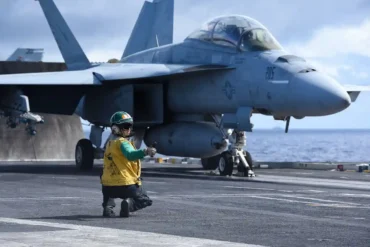
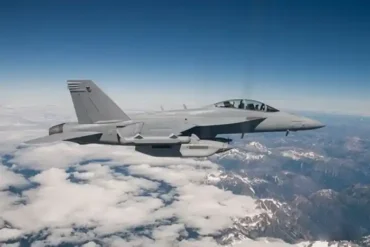
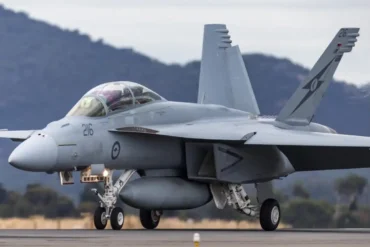
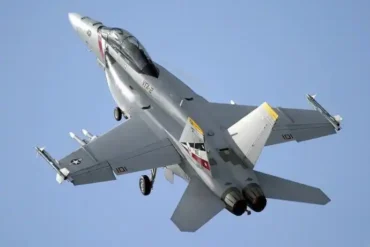
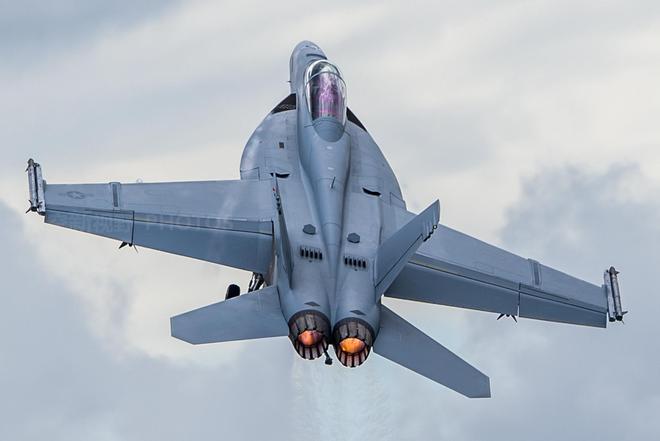
Designed by McDonnell Douglas (now Boeing), the F/A-18 Super Hornet is a multirole fighter built for the U.S. Navy. It operates from aircraft carriers, making it an integral part of naval aviation. Unlike heavier air superiority fighters, it is designed for air-to-air combat, ground strikes, electronic warfare, and reconnaissance. The aircraft’s swing-role capability allows it to change mission types mid-flight, enhancing operational flexibility.
Sukhoi Su-30: A Heavy Air Superiority Fighter
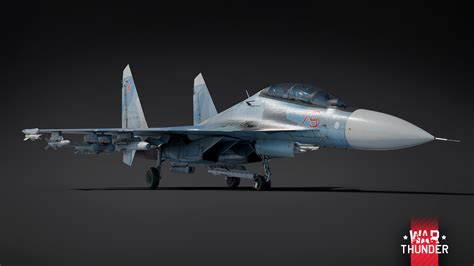
The Sukhoi Su-30, developed by Sukhoi Design Bureau, is a twin-seat, twin-engine fighter derived from the Su-27. It is optimized for long-range interception, deep strike missions, and air superiority. Unlike the Super Hornet, which is carrier-compatible, the Su-30 is designed for high-altitude combat and extended-range operations, with some variants incorporating thrust-vectoring technology for enhanced maneuverability.

Performance Comparison
| Specification | F/A-18 Super Hornet | Sukhoi Su-30 |
|---|---|---|
| Max Speed | 1.8 Mach | ~2.0 Mach (estimated) |
| Combat Radius | ~740 km (with internal fuel) | ~1,500 km (with external tanks) |
| Ferry Range | 3,300 km | 4,000 km (Su-34 variant reference) |
| Service Ceiling | 15,240 m | 17,300 m |
| Max Takeoff Weight | 26,000 kg (max takeoff weight) | 34,500 kg (Su-30SM variant) |
The Su-30 surpasses the Super Hornet in raw speed, altitude capability, and combat range, making it superior for long-range engagements. However, the Super Hornet’s naval adaptability and shorter takeoff/landing capabilities make it more suited for carrier-based missions and multirole flexibility.
Avionics and Weapons Systems
F/A-18 Super Hornet: Advanced Radar and Networked Warfare
- AN/APG-79 Active Electronically Scanned Array (AESA) radar for superior target tracking
- Integrated electronic warfare systems for jamming and countermeasures
- Networked data-sharing capability, allowing coordinated strikes
- Weapons payload includes:
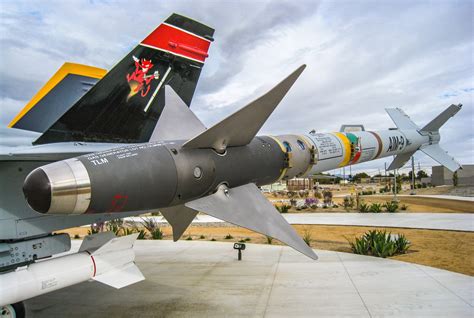
- AIM-120 AMRAAM (beyond-visual-range air-to-air missile)
- AIM-9 Sidewinder (short-range air-to-air missile)
- JDAM precision-guided bombs
- AGM-84 Harpoon (anti-ship missile)
Sukhoi Su-30: High Maneuverability and Long-Range Missiles
- N011M Bars phased-array radar with long-range detection capability
- Infrared search and track (IRST) system for passive tracking
- Thrust-vectoring engines, allowing extreme post-stall maneuvers
- Weapons payload includes:
- R-77 (AA-12 Adder) beyond-visual-range missile
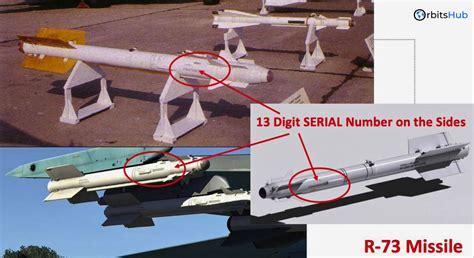
- R-73 (AA-11 Archer) infrared-guided dogfight missile
- Kh-59 cruise missile for deep strikes
- Unguided bombs and rockets for ground attacks
Operational Flexibility
Super Hornet: Carrier-Capable and Reliable
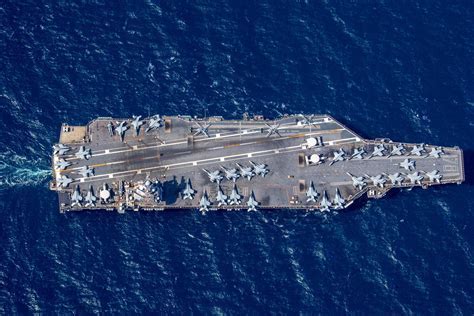
- Operates from aircraft carriers, making it highly flexible for global deployment
- Lower maintenance costs compared to stealth fighters like the F-35
- Highly reliable in harsh maritime conditions
- Adaptable to multiple roles, including aerial refueling (F/A-18F variant)
Su-30: Air Superiority and Extended-Range Strike Missions
- Primarily used for deep strike missions and air dominance
- Requires aerial refueling to extend operational range
- Not carrier-capable, limiting its naval deployment
- Excels in high-altitude and long-endurance missions
Cost and Global Deployment
F/A-18 Super Hornet
- Unit Cost: ~$70 million (F/A-18E/F variant)
- Operators: U.S. Navy, Australia, Canada (potential buyer), and other allied forces
- Designed for long-term fleet sustainability
Sukhoi Su-30
- Unit Cost: ~$50–60 million (depending on variant and export agreements)
- Operators: Russia, India, China, Algeria, Venezuela, and other nations
- Customized variants like Su-30MKI (India) and Su-30SM (Russia) with unique upgrades
Key Takeaways: Which Fighter Has the Edge?
- The F/A-18 Super Hornet dominates in multirole capability, carrier operations, and network-centric warfare. It is designed for shorter-range but high-intensity combat with reliable avionics and electronic warfare systems.
- The Su-30 excels in long-range air superiority, deep-strike missions, and maneuverability. With its powerful radar, thrust-vectoring engines, and long-range missiles, it poses a significant challenge in beyond-visual-range (BVR) combat.
In a hypothetical engagement, the Su-30 would leverage its superior speed, altitude, and maneuverability, while the F/A-18 would rely on its advanced avionics, electronic warfare, and carrier versatility. The outcome would depend on mission parameters and pilot skill.
FAQ
Which aircraft has better maneuverability?
The Su-30 has thrust-vectoring engines, giving it an advantage in close-range dogfights. The F/A-18 Super Hornet, while highly maneuverable, relies more on advanced avionics and electronic countermeasures to gain an edge.
Why is the F/A-18 preferred for naval operations?
The Super Hornet is carrier-capable, meaning it can take off and land on aircraft carriers. The Su-30 lacks this capability, limiting its deployment flexibility.
Which fighter is more cost-effective?
The Su-30 is generally cheaper per unit, but the Super Hornet has lower operational and maintenance costs, making it more cost-effective in long-term naval operations.