In the rapidly evolving landscape of military aviation, the F-15EX and F-35 stand as two of the most advanced fighters, each representing a unique approach to air superiority, mission versatility, and technological innovation. While the F-15EX is a modernized version of the legendary F-15, known for its long history and battle-tested reliability, the F-35 is the embodiment of fifth-generation stealth, sensor fusion, and network-centric warfare. This article delves into a detailed comparison of these two aircraft, evaluating their design, capabilities, strengths, and challenges, while also addressing the broader implications of their use in the modern air combat environment.
1. Design Philosophy and Core Advantages
F-15EX: Multi-Role Powerhouse with Air Superiority Focus
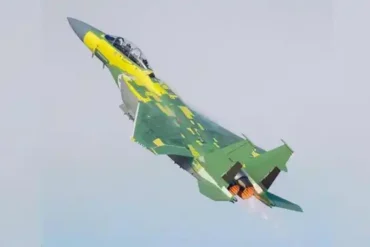
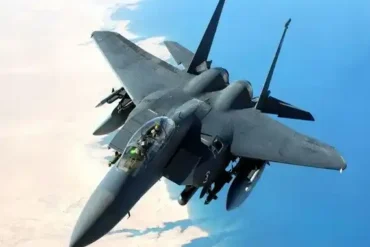
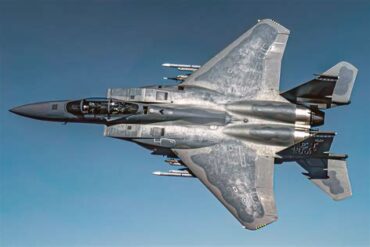
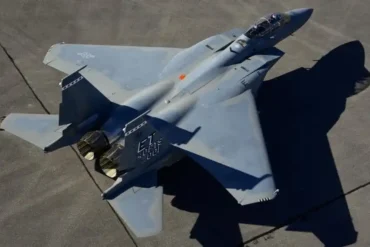
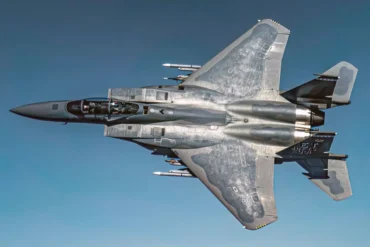
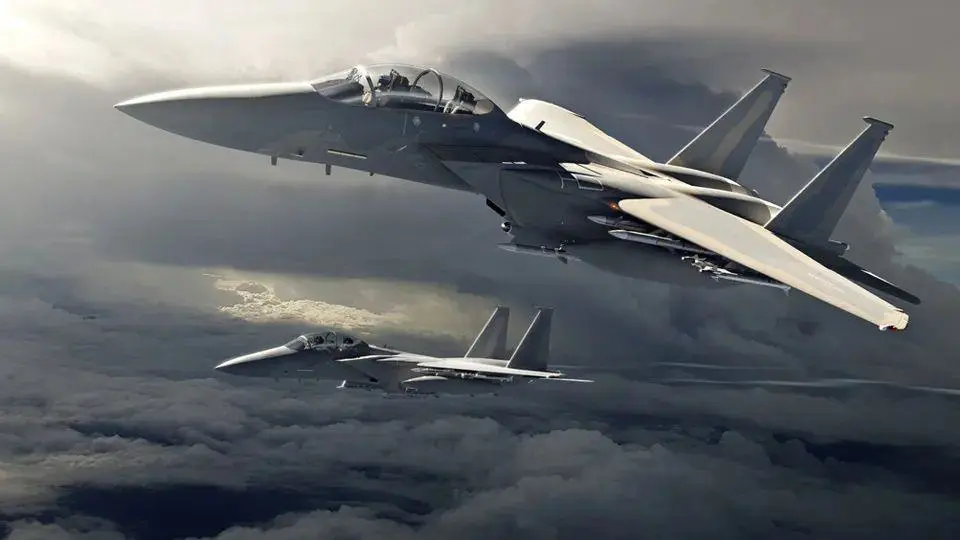
The F-15EX is an upgraded variant of the F-15 Eagle, which has been a cornerstone of U.S. air superiority for decades. As a fourth-generation-plus fighter, the F-15EX combines the proven airframe of the F-15 with modern avionics, weapons systems, and enhanced capabilities. Its design focuses on air-to-air combat, with secondary roles in air-to-ground strike missions. The aircraft is designed to maintain superior range, payload, and mission flexibility, making it ideal for missions such as combat air patrol (CAP), escort, and anti-surface warfare.
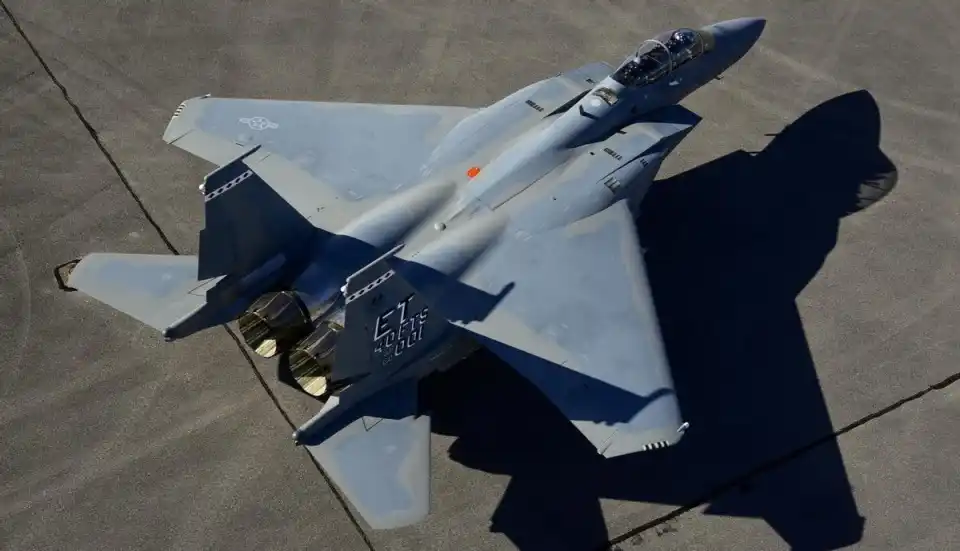
Key features that give the F-15EX a unique edge include:
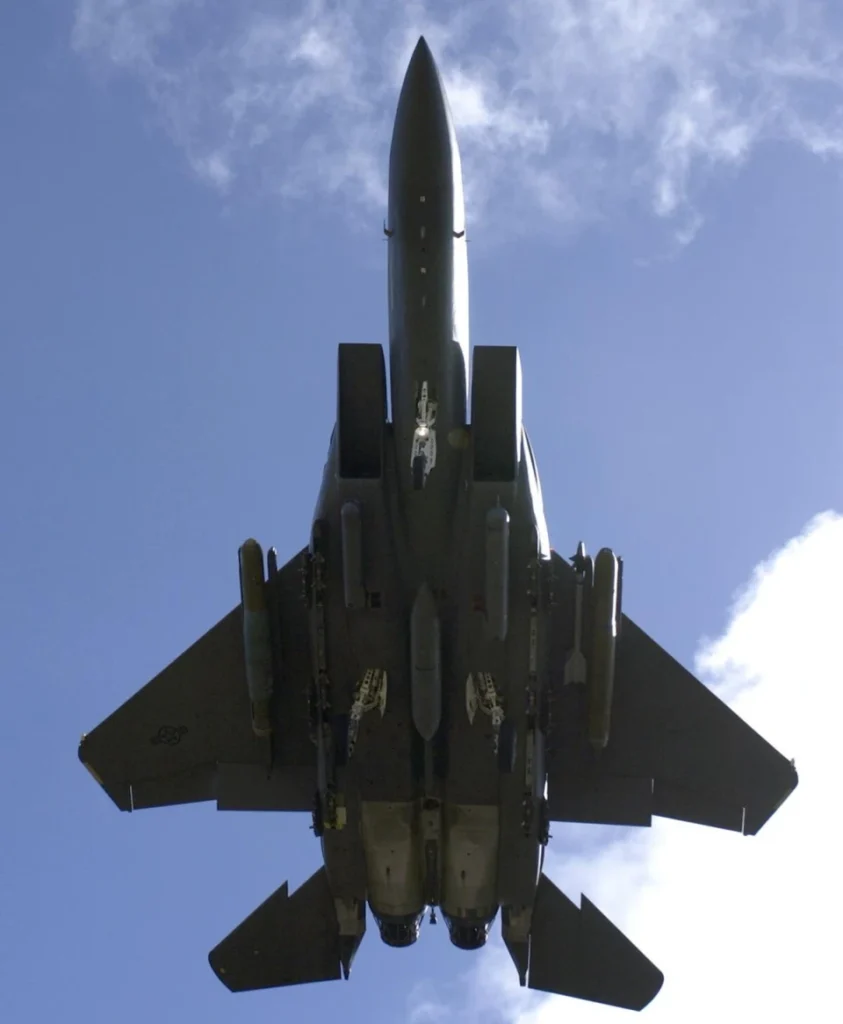
- Massive Payload Capacity: The F-15EX is capable of carrying up to 22 air-to-air missiles, such as the AIM-120D, and a combination of air-to-ground munitions. This large weapons payload allows the F-15EX to engage multiple targets across vast areas of operation.
- Advanced Avionics: The F-15EX is equipped with the AN/APG-82(V)1 radar, which offers long-range detection capabilities, and the EPAWSS electronic warfare system, designed to improve the aircraft’s survivability by providing superior protection against enemy radar and missile threats.
- Reliability and Maintenance: Thanks to its use of a mature platform and the established F-15 supply chain, the F-15EX boasts an impressive mission-capable rate of 83.13%, significantly higher than the F-35’s 51.5%. Moreover, its maintenance costs are lower compared to newer platforms like the F-35, which ensures more efficient operations over the long term.
F-35: The Stealth Revolution and Multi-Domain Dominance
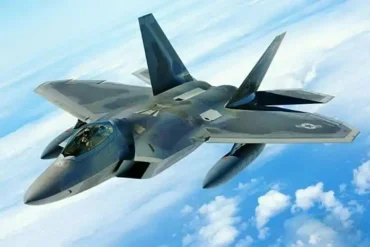
The F-35 represents a quantum leap in terms of design, embodying the characteristics of a fifth-generation fighter. Its emphasis on stealth capabilities, sensor fusion, and network-centric warfare has revolutionized the way modern air forces approach combat. Unlike the F-15EX, the F-35 is a multi-role fighter, designed to excel in air superiority, precision strike missions, electronic warfare, and close air support. It also has the ability to operate in joint multi-domain operations, where it can seamlessly integrate into a wider battle network that includes both manned and unmanned systems.
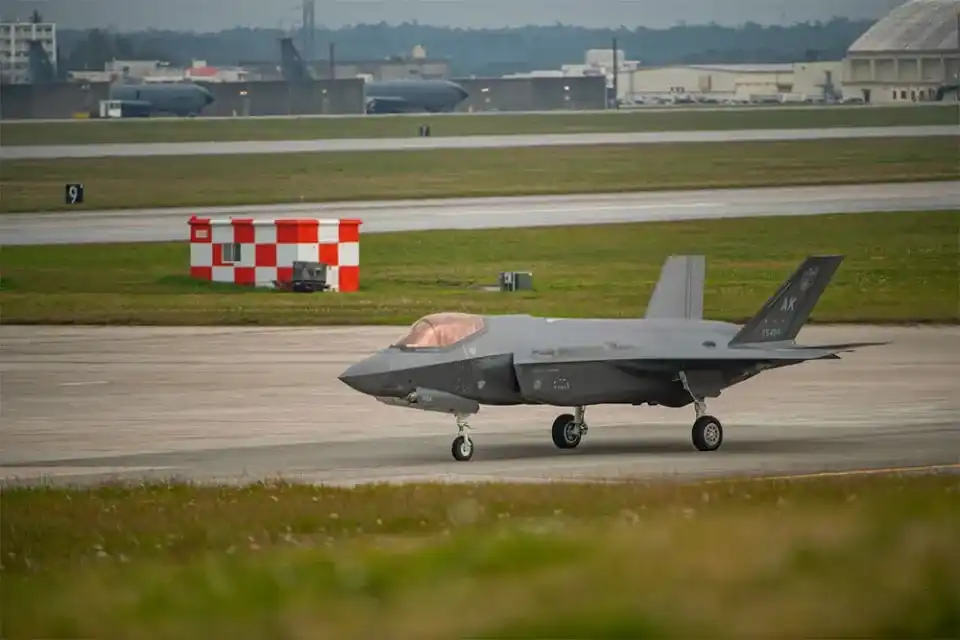
Key advantages of the F-35 include:
- Stealth and Sensor Fusion: The F-35’s design prioritizes low radar visibility, with its internal weapons bays and advanced materials reducing its detectability. This allows the F-35 to infiltrate hostile airspace undetected, providing a significant advantage in penetration missions against highly contested environments.
- Multi-Role Capability: The F-35 can perform a variety of missions, including air-to-air combat, air-to-ground strikes, intelligence gathering, and electronic warfare. However, its internal weapons bays restrict the amount of munitions it can carry, limiting it to just 4-6 air-to-air missiles.
- Advanced Cockpit and Situational Awareness: The F-35 is equipped with a helmet-mounted display system (HMDS) that provides pilots with an unprecedented level of situational awareness, enabling them to track targets and other relevant data directly within their line of sight, even in close air combat.
2. Air Combat Performance: Beyond the Horizon
Beyond Visual Range (BVR) Combat
In BVR combat, the F-15EX is well-equipped to detect and engage enemy aircraft at extremely long distances. With its powerful AN/APG-82(V)1 radar and long-range missiles such as the AIM-120D, the F-15EX has a distinct advantage in early detection and first-strike capabilities. Its large radar aperture allows it to track multiple targets over long ranges, giving it an edge in scenarios where engaging the enemy before detection is critical.
The F-35, on the other hand, relies on its stealth and sensor fusion capabilities for first-look, first-shot engagements. While its radar is smaller in size compared to the F-15EX, its ability to remain undetected while engaging targets gives it an advantage in situations where avoiding enemy radar is paramount. However, in terms of raw radar performance and missile range, the F-15EX still holds an edge in BVR combat.
Dogfighting and Close-Range Combat
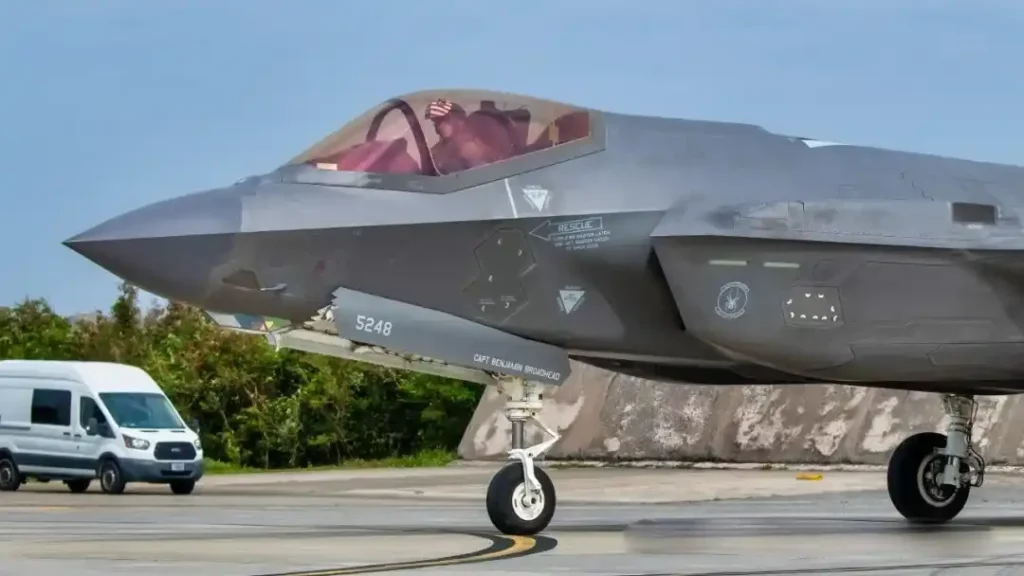
In a close-range dogfight, the F-35 might face some disadvantages due to its design priorities. While it is equipped with a 9G-rated airframe, it is not as maneuverable as the F-15EX, which has a higher thrust-to-weight ratio and can achieve higher G-forces during extreme maneuvers. This makes the F-15EX more capable in aerial dogfights where agility and raw performance are crucial.
Nevertheless, the F-35’s stealth still provides a significant advantage in such scenarios. If it can avoid being seen by the enemy until the very last moment, it could negate the F-15EX’s maneuverability advantage. Additionally, the F-35’s helmet-mounted display and sensor fusion enhance situational awareness, allowing the pilot to effectively fight in environments where traditional visual cues might be inadequate.
3. Multi-Role Execution and Economic Considerations
F-15EX: Payload Flexibility and Cost-Effectiveness
One of the key strengths of the F-15EX is its ability to carry a wide variety of weapons without sacrificing mission flexibility. With the capacity to carry both long-range air-to-air missiles and advanced air-to-ground munitions, it is a perfect fit for high-intensity combat scenarios. Moreover, the F-15EX is equipped with upgraded avionics that allow for networked operations with other air and ground assets.
From a cost-efficiency perspective, the F-15EX has a unit cost of approximately $98 million, which is on par with the F-35A. However, the F-15EX benefits from lower lifecycle costs and easier maintainability, making it a more economically viable option for nations seeking a high-performance aircraft without the steep operational costs of a fifth-generation fighter.
F-35: Cutting-Edge, Yet Expensive
The F-35 is a formidable fighter, but its maintenance costs and repair turnaround times present significant challenges. With an initial unit cost of around $85 million for the F-35A, it is comparable to the F-15EX. However, the F-35 requires extensive maintenance and sustained logistical support, especially when it comes to its stealth coatings, which need to be regularly maintained to ensure continued low observability. These factors contribute to the F-35’s overall higher operational costs compared to the F-15EX.
Moreover, despite its advanced capabilities, the F-35 faces challenges with mission readiness. Issues with spare parts availability, long repair cycles, and technical glitches have hindered the aircraft’s overall operational efficiency, resulting in lower mission-capable rates compared to the F-15EX.

4. Strategic Considerations: Facing Future Threats
F-15EX: Vulnerabilities and Adaptation to New Threats
As the F-15EX continues to operate in a rapidly changing combat environment, its reliance on conventional radar systems and non-stealth design may expose it to future anti-stealth technologies. With countries like China developing advanced long-range anti-aircraft missiles (e.g., PL-17), the F-15EX could find itself at a disadvantage if it operates in environments where stealth fighters dominate the airspace.
In such scenarios, the F-15EX will likely require support from early warning systems, electronic warfare platforms, and other networked assets to mitigate the vulnerabilities posed by these emerging threats.
F-35: Constant Evolution to Maintain Stealth Superiority
The F-35 was designed to be a stealthy platform capable of evading the most advanced air defense systems. However, as adversaries like Russia and China continue to develop new technologies that can track and target stealth aircraft, the F-35’s survival will depend on its ability to evolve. Future upgrades to its electronic warfare systems and counter-stealth technologies will be crucial to maintaining its edge against next-generation threats.
5. Conclusion: Complementary Roles Rather Than Direct Competition
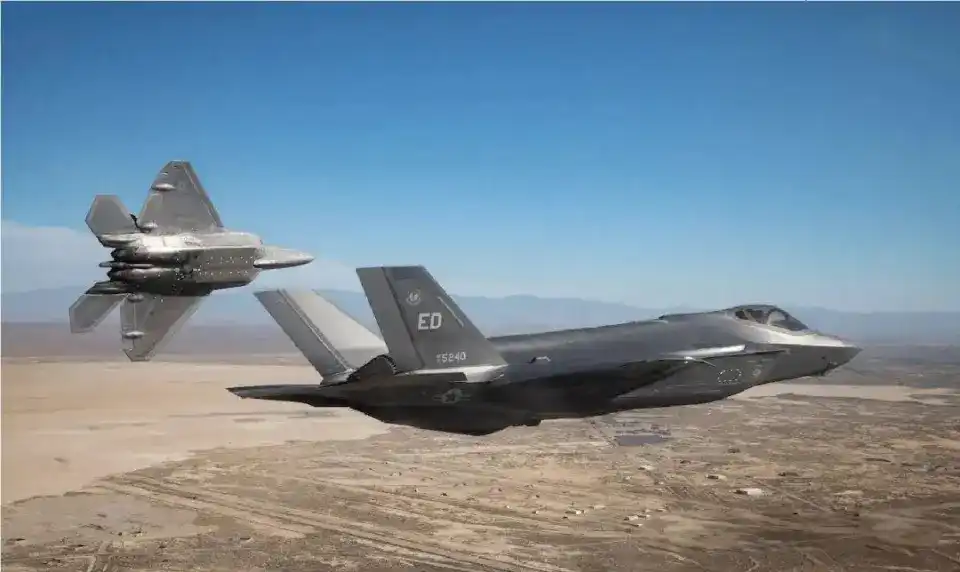
While the F-15EX and F-35 are both advanced, high-performance fighters, they serve complementary roles in modern air forces. The F-15EX excels in high-intensity combat, payload flexibility, and cost-effectiveness, making it an ideal platform for missions requiring heavy firepower and long-range engagement. On the other hand, the F-35 is designed for precision strikes, stealth penetration, and multi-domain operations, making it the optimal choice for high-risk missions in contested environments.
Ultimately, the F-15EX and F-35 are part of a broader air combat strategy that integrates multiple platforms, each optimized for different tasks. Both aircraft offer unique advantages, and together, they form a more comprehensive and versatile air power capability that can effectively address the full spectrum of modern military threats.