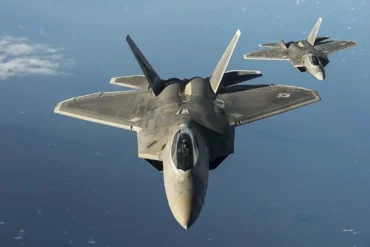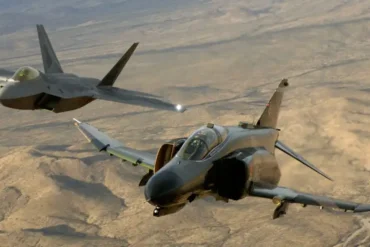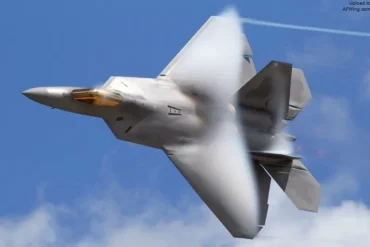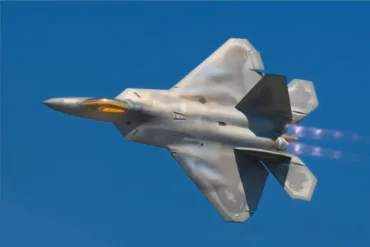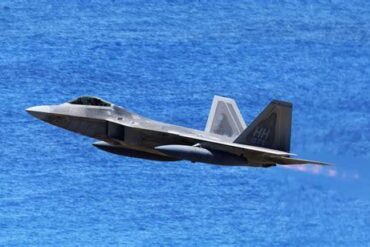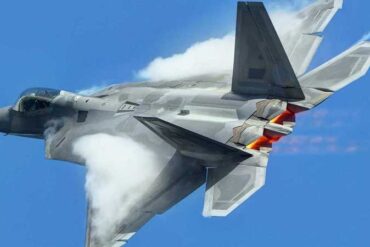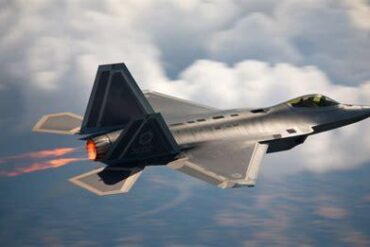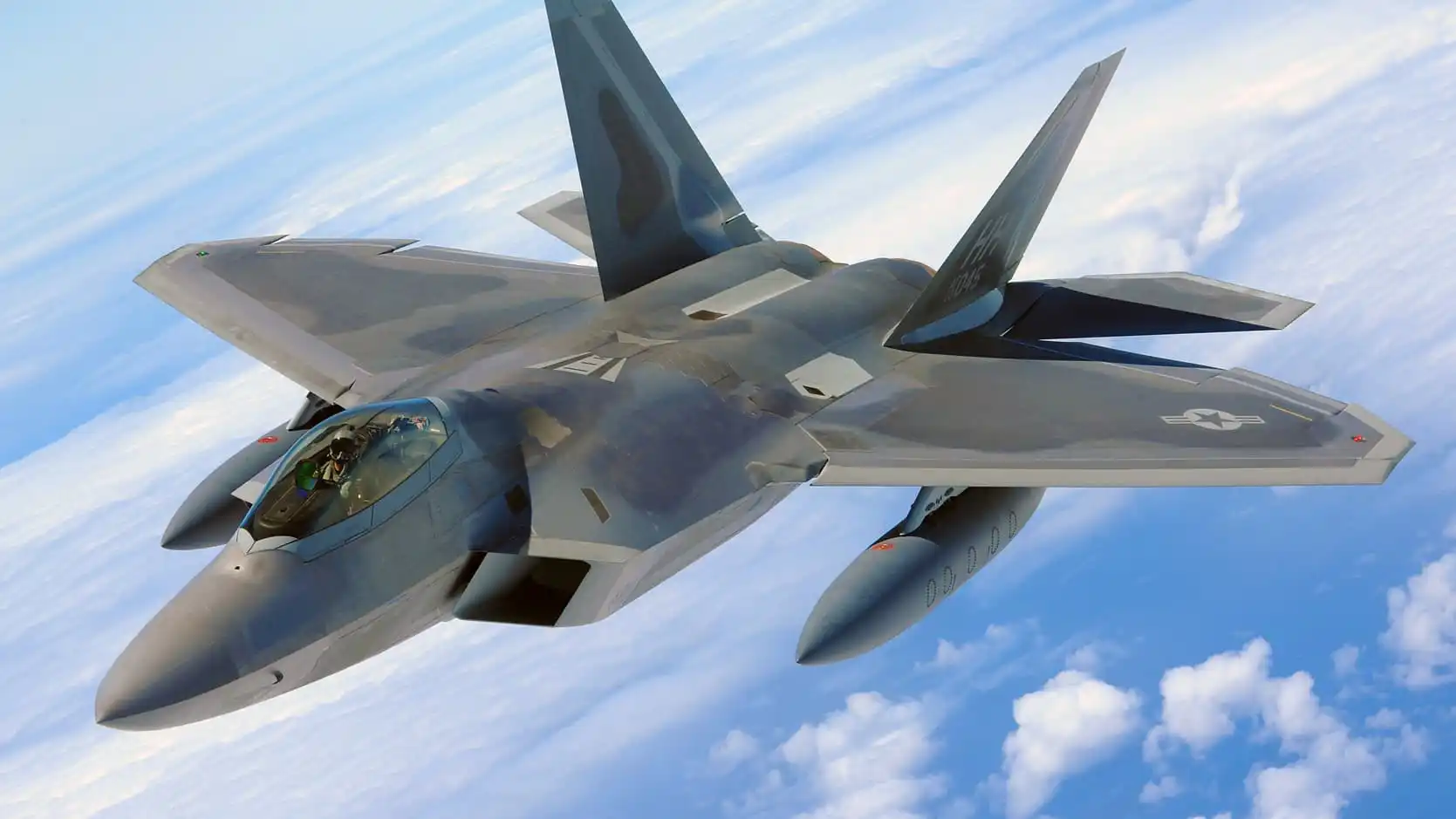
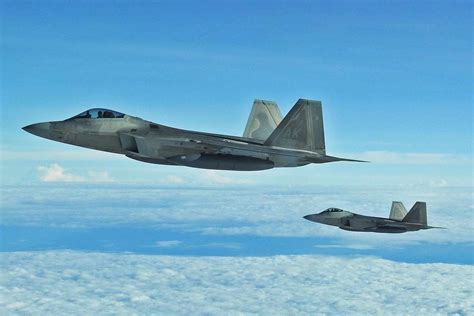
The Lockheed Martin F-22 Raptor is widely regarded as the most advanced fifth-generation air superiority fighter in the world. Designed for stealth, supercruise, and unmatched maneuverability, the F-22 has long been a cornerstone of U.S. aerial dominance. However, despite its cutting-edge capabilities, its record of confirmed air-to-air kills remains limited.
The Only Confirmed Air-to-Air Kill: 2023 Chinese Surveillance Balloon
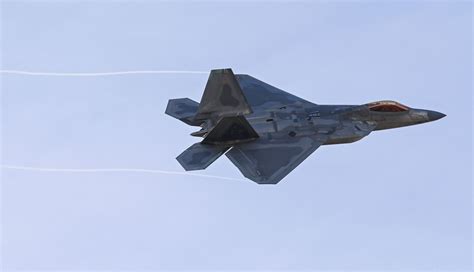
The first and only confirmed air-to-air kill by an F-22 occurred on February 3, 2023, when an F-22 Raptor engaged and destroyed a Chinese high-altitude surveillance balloon off the coast of North Carolina.
Engagement Details:
- Weapon Used: AIM-9X Sidewinder missile
- Altitude: ~60,000 feet
- Location: U.S. territorial waters near North Carolina
- Mission Type: Air defense
- Significance: First air-to-air engagement in F-22 history
This event, though not a traditional fighter jet engagement, marked a milestone in the operational history of the aircraft. The AIM-9X, an infrared-guided missile, successfully destroyed the target at high altitude, demonstrating the F-22’s ability to engage non-traditional airborne threats.
Why Has the F-22 Seen Few Air-to-Air Engagements?
1. Lack of Peer Adversaries
Since its introduction in 2005, the F-22 has never been deployed against a near-peer air force. The U.S. military has not engaged in high-intensity aerial combat with adversaries possessing advanced fourth- or fifth-generation fighters. Instead, conflicts have focused on counterterrorism and precision strikes, where air-to-air engagements are rare.
2. Strategic Deterrence Through Stealth
The F-22’s stealth characteristics, with a radar cross-section as low as 0.0001 m², make it nearly undetectable. Potential adversaries understand that engaging an F-22 in combat is a losing proposition, deterring direct aerial confrontations before they occur.
3. Shift to Multirole and Ground Attack Missions
Although designed primarily for air superiority, the F-22 has been used extensively for ground strike missions. Since 2014, F-22s have participated in combat operations against ISIS targets in Syria, focusing on precision strikes, intelligence gathering, and surveillance.
Performance in Simulated Air Combat
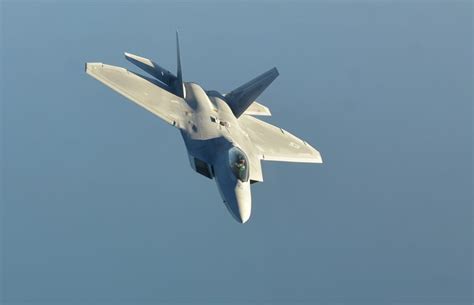
Despite its limited real-world combat history, the F-22 has demonstrated its air dominance in exercises like Red Flag and joint military operations.
Red Flag Exercises
- F-22 pilots have achieved kill ratios as high as 144:0 against opposing aircraft in combat simulations.
- Its Beyond Visual Range (BVR) capability allows it to engage and eliminate threats before being detected.
- F-22s have outperformed fourth-generation fighters such as the F-15, Su-30, and Eurofighter Typhoon in multiple exercises.
Technology Enhancements
The ALR-94 electronic warfare system, distributed infrared sensor upgrades (TacIRST), and open mission systems architecture continue to improve the F-22’s ability to detect and track adversaries, including stealthy enemy aircraft.
Comparison with Other Fifth-Generation Fighters
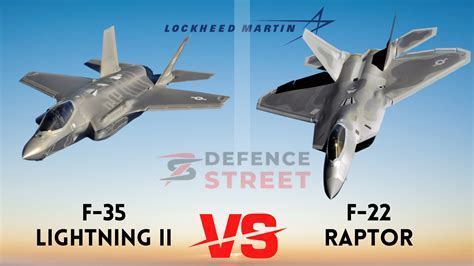
F-22 vs. F-35 Lightning II
| Feature | F-22 Raptor | F-35 Lightning II |
|---|---|---|
| Role | Air Superiority | Multirole Strike |
| Stealth | Superior | High |
| Speed (Mach) | 2.25+ | 1.6 |
| Supercruise | Yes | No |
| Sensor Fusion | Advanced | More Networked |
| Air-to-Air Kills | 1 (Balloon) | Multiple (Drones) |
Although the F-35 has engaged and shot down multiple drones, it lacks the raw air superiority focus of the F-22, which was purpose-built for aerial dominance.
Future Replacement: NGAD Program
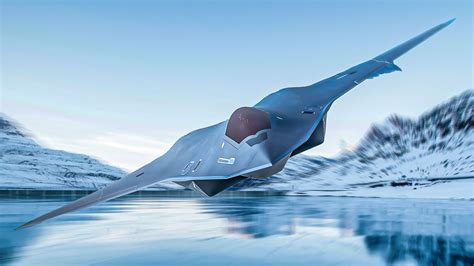
By the 2030s, the Next-Generation Air Dominance (NGAD) fighter, unofficially called the F-47, is expected to replace the F-22. The NGAD will focus on manned-unmanned teaming, advanced AI integration, and extended range operations, further shifting the role of aerial combat.
Conclusion: The F-22’s Legacy in Air Combat
While the F-22 Raptor has recorded only one confirmed kill, its impact on aerial warfare is profound. Its deterrence capability, air combat performance in exercises, and technological superiority make it the premier air dominance fighter of its generation. As the U.S. Air Force transitions to next-generation systems, the F-22’s legacy will remain as a benchmark for air superiority.
Frequently Asked Questions (FAQ)
1. Why hasn’t the F-22 been involved in more air-to-air kills?
The lack of peer-level aerial threats, combined with the stealth and deterrence power of the aircraft, has prevented adversaries from engaging in air combat with the F-22.
2. Has the F-22 been used in combat missions?
Yes. Since 2014, F-22s have participated in air-to-ground strike missions against ISIS, but no recorded engagements with enemy fighters have taken place.
3. What will replace the F-22 Raptor?
The Next-Generation Air Dominance (NGAD) fighter, expected to enter service in the 2030s, will gradually replace the F-22 as the U.S. Air Force’s primary air superiority platform.