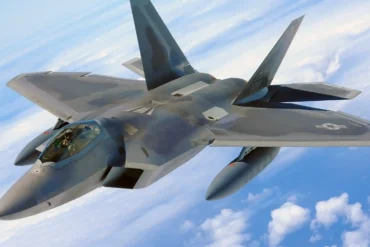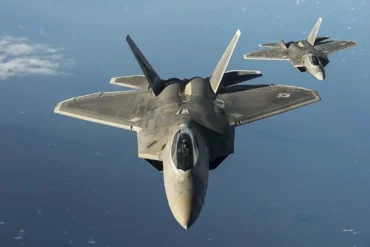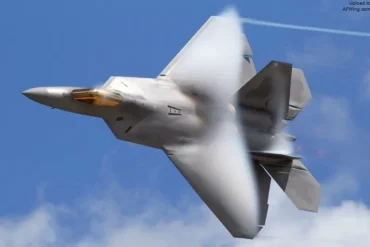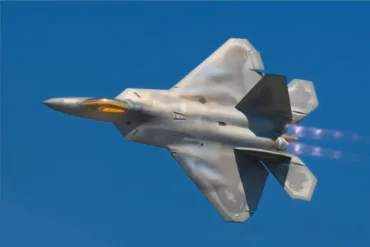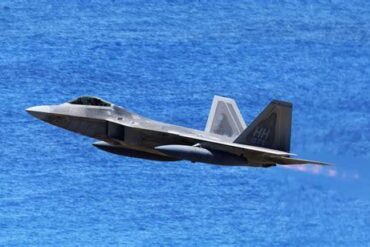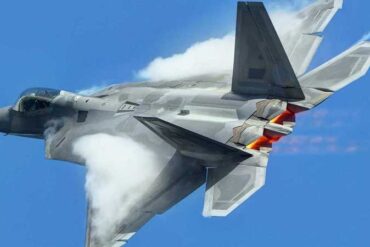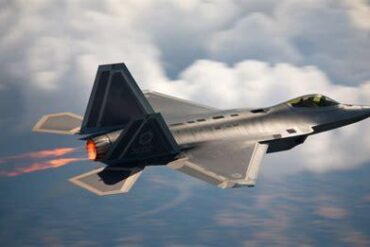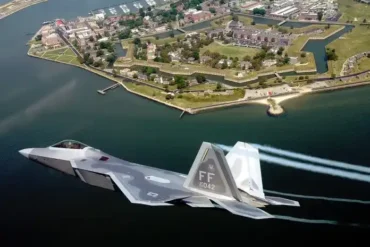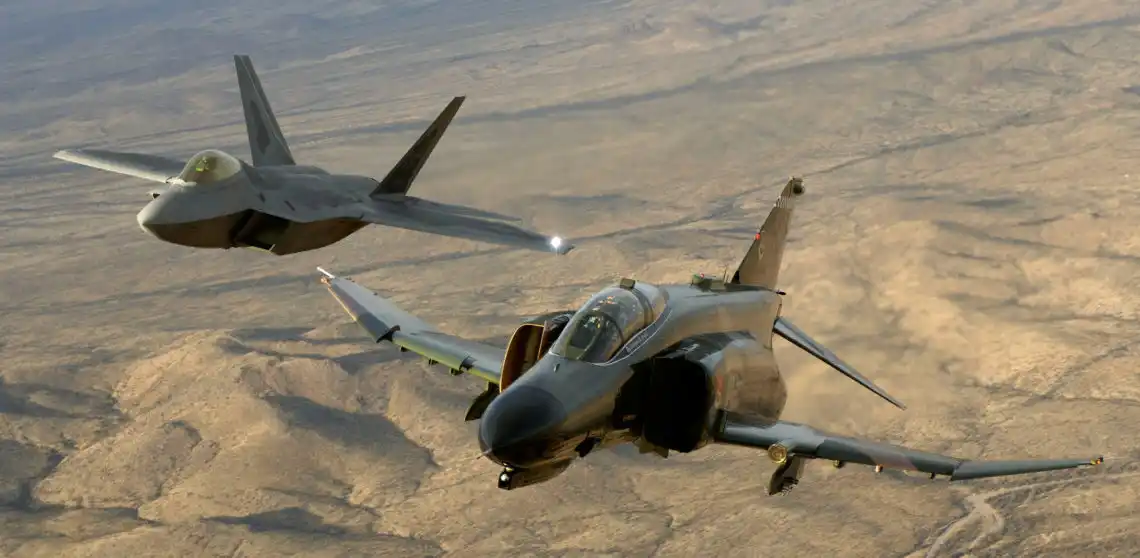
The F-22 Raptor, the pinnacle of fifth-generation fighter technology, has demonstrated overwhelming superiority over older platforms such as the Iranian F-4 Phantom II. Encounters between these aircraft have highlighted the technological disparity between stealth-enabled and non-stealth fighters, reinforcing the obsolescence of outdated airframes in modern warfare.
This article provides a detailed examination of key engagements between the F-22 and Iranian F-4s, analyzing the strategic, tactical, and technological implications of these interactions.
2013 Encounter: Stealth in Action
In March 2013, a U.S. F-22 Raptor was escorting an MQ-1 Predator drone conducting surveillance near Iranian airspace. As two Iranian F-4 Phantom II fighters approached, the F-22 pilot executed a maneuver that demonstrated the aircraft’s unparalleled stealth capabilities.
- The F-22 positioned itself beneath the Iranian F-4s, remaining undetected due to its low radar cross-section (RCS).
- The pilot visually inspected the F-4s’ weapon loadout without alerting the Iranian pilots.
- The F-22 then ascended to the left wing of one F-4 and made a chilling radio transmission: “You really ought to go home.”
This encounter showcased how stealth technology and sensor fusion allow fifth-generation fighters to dictate engagements before adversaries even realize their presence.
2015 Incident: A Tactical Show of Force
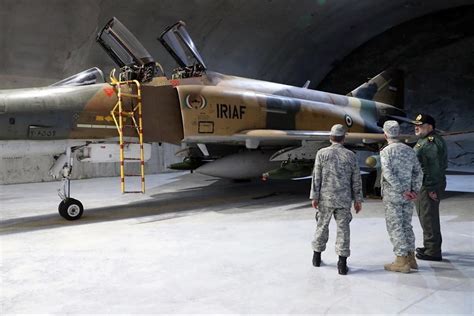
Another engagement occurred in 2015 when two F-22s intercepted a formation of Iranian F-4s during a patrol in the Persian Gulf. Unlike traditional dogfights, this incident demonstrated the psychological and tactical dominance of the F-22.
- The F-22s executed precise Yo-Yo maneuvers around the Iranian F-4s.
- The Iranian pilots were unaware of the Raptors’ presence until they received an open radio transmission warning them.
- The F-22s’ ability to move undetected and establish positional advantage reinforced their first-look, first-kill doctrine.
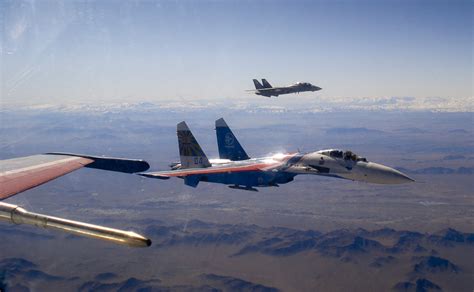
Technological Disparity: F-22 vs. F-4
The encounters between the F-22 Raptor and Iranian F-4 Phantom II fighters illustrate the vast technological gap between fifth-generation and third-generation aircraft.
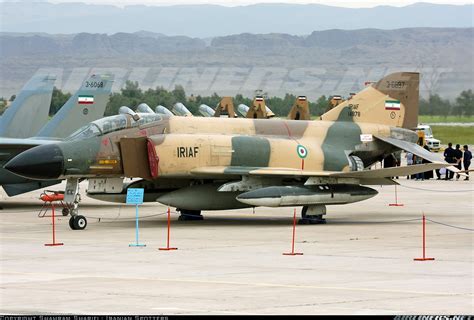
F-4 Phantom II: Aging Warfare Platform
The Iranian Air Force relies on the F-4 Phantom II, a 1960s-era twin-engine fighter originally supplied by the United States before the 1979 Iranian Revolution.
- Radar Cross-Section (RCS): The F-4’s large RCS makes it highly visible on modern airborne radar systems.
- Avionics & Sensors: The lack of advanced sensor fusion severely limits situational awareness.
- Maneuverability: While agile for its time, the F-4 is vastly inferior to the thrust-vectoring F-22.
F-22 Raptor: The Apex of Air Superiority
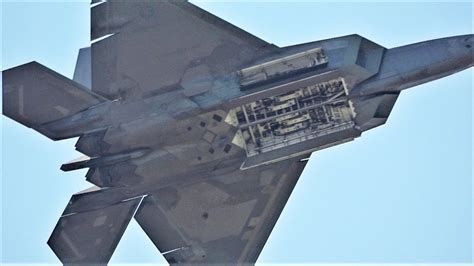
Designed for stealth, speed, and dominance, the F-22 Raptor integrates cutting-edge avionics, sensor fusion, and electronic warfare capabilities.
- Supercruise: The F-22 can sustain supersonic speeds without afterburners.
- Thrust Vectoring: Allows for unmatched agility and post-stall maneuvering.
- AN/APG-77 Radar: Uses Active Electronically Scanned Array (AESA) technology, making it extremely difficult to detect.
- Stealth Capabilities: The Raptor’s reduced RCS makes it nearly invisible to legacy radar systems.
Strategic Implications of These Encounters
The repeated engagements between U.S. F-22s and Iranian F-4s underscore a broader strategic reality:
- Asymmetric Warfare Challenges: Nations still relying on third- and fourth-generation fighters face significant disadvantages against stealth-enabled adversaries.
- Deterrence Through Superiority: The presence of F-22s in the Middle East serves as a deterrent against hostile aerial operations.
- The Need for Modernization: Air forces operating outdated platforms must invest in modern air defense networks or fifth-generation fighters to remain viable.
Broader Context: The Future of Air Combat
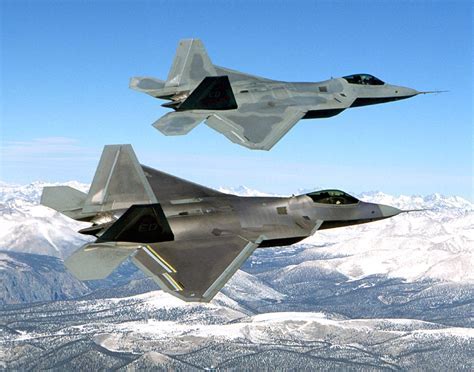
The F-22’s encounters with Iranian F-4s highlight fundamental shifts in aerial warfare. The dominance of stealth technology, sensor integration, and networked warfare defines the future battlefield.
- Fifth-generation fighters, including the F-35 Lightning II, will continue to replace older aircraft.
- Autonomous drones and AI-assisted aircraft will further enhance combat effectiveness.
- Nations lagging in airpower modernization will face severe vulnerabilities in future conflicts.
Conclusion
The F-22 Raptor’s engagements with Iranian F-4 Phantom II fighters serve as a stark reminder of the transformative power of stealth and advanced avionics. These encounters reinforce the obsolescence of non-stealth aircraft in contested environments and highlight the critical importance of airpower modernization.
As aerial combat evolves, fifth-generation fighters will define air superiority, leaving outdated platforms like the F-4 Phantom II with little to no combat viability in modern high-threat scenarios.
FAQ
1. Why couldn’t the Iranian F-4s detect the F-22 Raptor?
The F-22 Raptor’s stealth technology significantly reduces its radar cross-section (RCS), making it nearly invisible to the F-4’s older radar systems. This allowed the F-22 to approach undetected.
2. What advantages does the F-22 have over the F-4 in aerial combat?
The F-22 Raptor possesses superior stealth, maneuverability, avionics, and weaponry, enabling it to engage or disengage at will, whereas the F-4 Phantom II relies on outdated sensors and lacks stealth capabilities.
3. How do these encounters affect Iran’s air defense strategy?
These incidents highlight the vulnerability of Iran’s aging fleet against modern air threats, emphasizing the need for radar improvements, integrated air defense networks, and next-generation aircraft acquisitions.