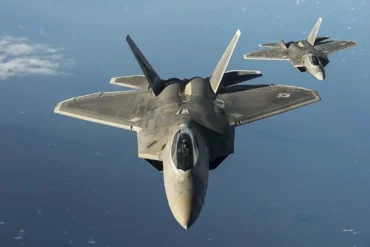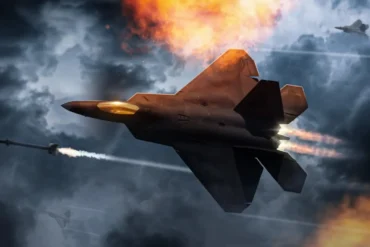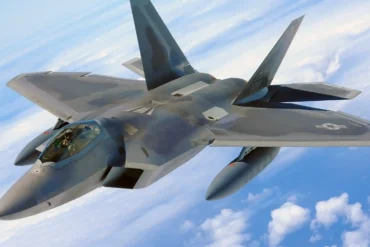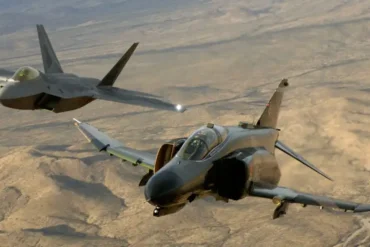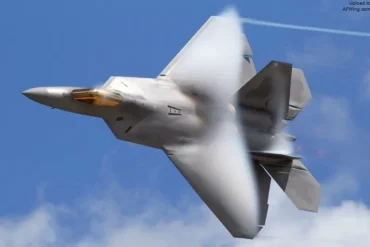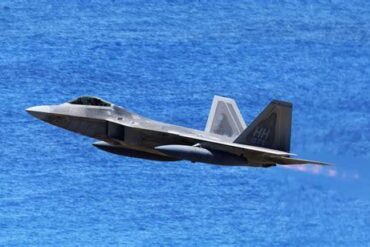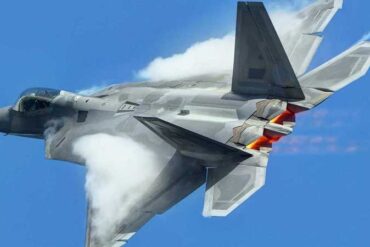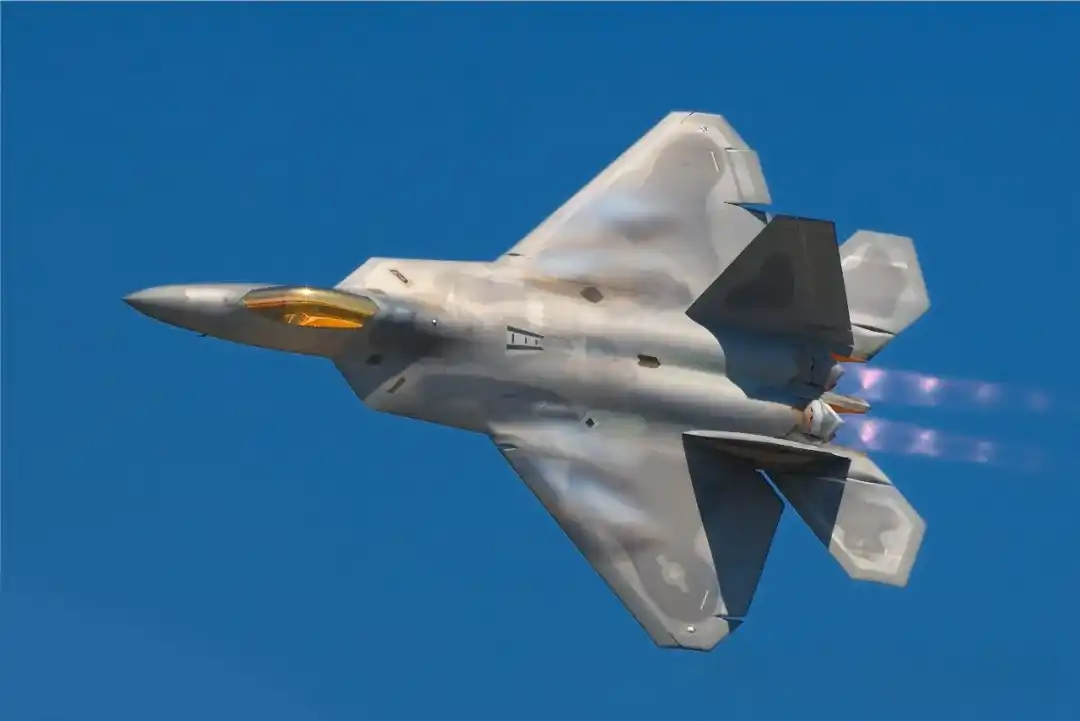
The F-22 Raptor, the pinnacle of fifth-generation air dominance, derives much of its unmatched superiority from its Pratt & Whitney F119-PW-100 engines. These engines not only provide exceptional thrust, supercruise capability, and thrust vectoring but also enhance the aircraft’s stealth and maneuverability. The F119-PW-100 remains one of the most advanced military turbofans ever developed, playing a critical role in the F-22’s unmatched air combat performance.
Engine Specifications and Performance
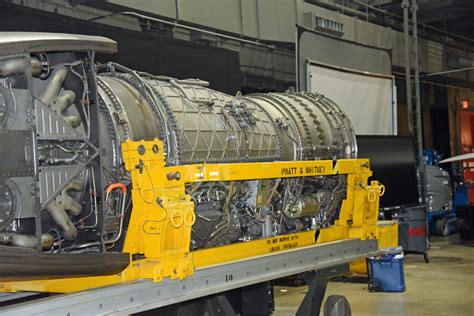
The F119-PW-100 is an augmented turbofan engine, specifically designed to maximize the F-22’s stealth, speed, and agility. This engine delivers extraordinary power output, enabling the fighter to operate beyond the capabilities of previous-generation aircraft.
Thrust and Power
- Dry thrust: 26,000 lbf (116 kN) per engine.
- Afterburner thrust: 35,000 lbf (156 kN) per engine.
- Thrust-to-weight ratio: Over 10:1, though some sources suggest closer to 7.95.
- Supercruise capability: Maintains speeds of Mach 1.5–1.8 without afterburners.
- Thrust vectoring: Nozzles pivot ±20° vertically, allowing extreme post-stall maneuvers and enhanced dogfight agility.
Design and Technological Innovations
The F119-PW-100 engine integrates multiple cutting-edge technologies to optimize power, efficiency, and stealth.
Low-Bypass Turbofan
The low-bypass ratio design enhances high-speed performance while reducing infrared and radar signatures, making the F-22 harder to detect.
Stealth-Optimized S-Shaped Intakes
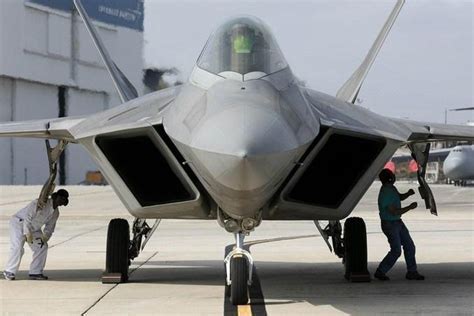
Unlike traditional aircraft, the S-shaped inlet ducts of the F-22 conceal the engine’s fan blades from enemy radar, significantly lowering the aircraft’s radar cross-section (RCS).
Advanced Cooling Systems
Cooling is essential in maintaining engine durability and stealth. The F119 utilizes a sophisticated cooling system that reduces thermal emissions, mitigating its vulnerability to infrared-seeking missiles.
Simplified Engine Architecture
The F119-PW-100 has approximately 40% fewer parts compared to earlier turbofans, resulting in enhanced reliability and easier maintenance.
Operational Advantages of the F119-PW-100
The engine’s superior thrust, vectoring capability, and stealth integration make the F-22 nearly unstoppable in aerial combat.
Extreme Maneuverability
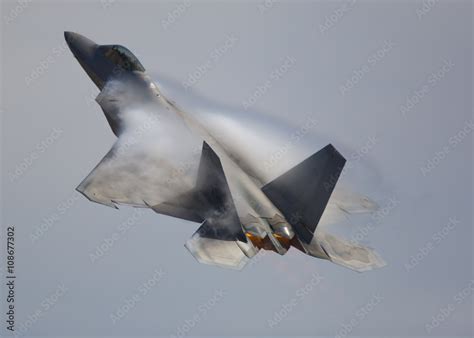
The combination of thrust vectoring and high thrust-to-weight ratio enables the Raptor to perform 9G turns, rapid acceleration, and post-stall maneuvers that few aircraft can match.
Stealth and Low Observable Characteristics
The F119 engine’s design plays a key role in reducing the F-22’s overall radar signature, estimated between 0.0001 and 0.08 square meters. This makes the aircraft virtually invisible to enemy radars.
Extended Combat Range
Despite its emphasis on speed and agility, the F-22 has a combat radius of 1,600 nautical miles with internal fuel, providing exceptional strategic reach.
Historical Development and Evolution
Origins in the ATF Program
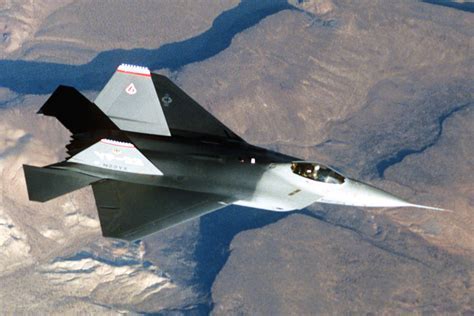
The F119 engine was developed as part of the Advanced Tactical Fighter (ATF) program in the 1980s, competing against General Electric’s GE-37 (YF120). While GE’s variable-cycle engine allowed adjustable bypass ratios, Pratt & Whitney’s simpler and more reliable design won the contract.
Influence on Future Aircraft
The F119’s technology directly influenced the F135 engine, which powers the F-35 Lightning II. Many core advancements, including single-crystal turbine blades and advanced cooling systems, were inherited from the F119.
Challenges and Limitations
Despite its groundbreaking capabilities, the F119-PW-100 engine has some notable drawbacks.
High Development and Production Costs
The F-22 program cost approximately $1.5–2 billion per aircraft (including R&D), leading to production being capped at just 187 units.
Maintenance Complexity
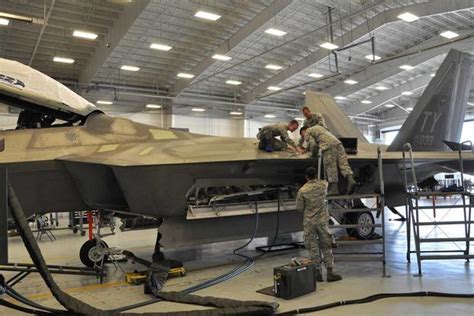
While the simplified engine architecture improves reliability, the stealth coatings and thrust vectoring system require frequent and meticulous maintenance.
Debated Thrust Figures
There has been some controversy regarding the actual thrust-to-weight ratio, with independent analysts suggesting it may be slightly lower than official claims.
Conclusion
The Pratt & Whitney F119-PW-100 engine is a marvel of modern aerospace engineering, providing the F-22 Raptor with its unparalleled air dominance. By integrating supercruise, thrust vectoring, stealth optimization, and exceptional maneuverability, it remains one of the most advanced fighter jet engines in history. Despite its high costs and maintenance challenges, the F119 continues to influence modern jet propulsion technology, solidifying its legacy in military aviation.
FAQ
1. What makes the F119-PW-100 engine different from other fighter jet engines?
The F119 engine stands out due to its supercruise capability, thrust vectoring, and stealth optimization. Unlike conventional fighter engines, it enables sustained Mach 1.5+ flight without afterburners, reducing fuel consumption and heat signature.
2. How does thrust vectoring improve the F-22 Raptor’s maneuverability?
The ±20° thrust vectoring nozzles allow the F-22 to perform post-stall maneuvers, extreme turns, and rapid deceleration, granting an advantage in dogfights and evasion tactics.
3. Why was the F-22 Raptor’s production limited despite its advanced technology?
The high cost of the F-22 program, coupled with shifting military priorities, led to a cap at 187 aircraft. The emphasis shifted toward multi-role fighters like the F-35, which is cheaper and more versatile, albeit lacking the F-22’s air superiority focus.
The F-22 Raptor’s engine remains one of the most technologically sophisticated jet propulsion systems ever built, securing its place in aerospace history as the engine that redefined air superiority.