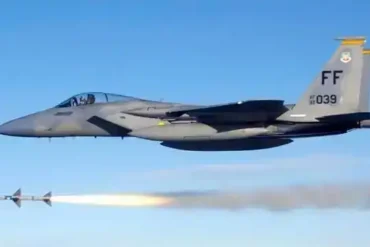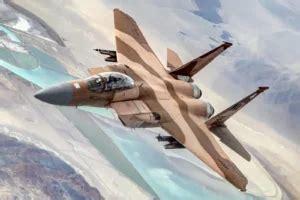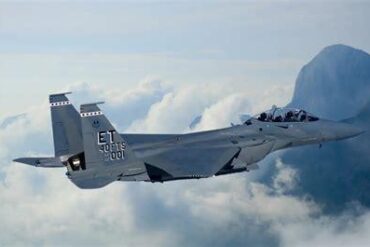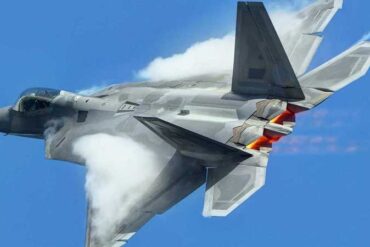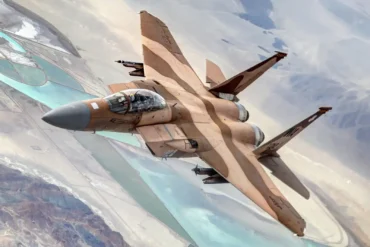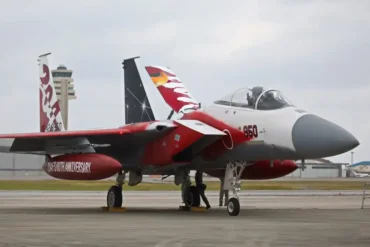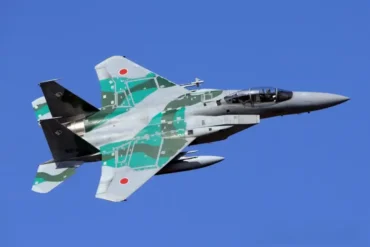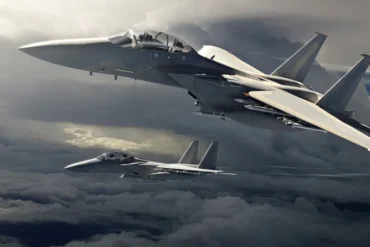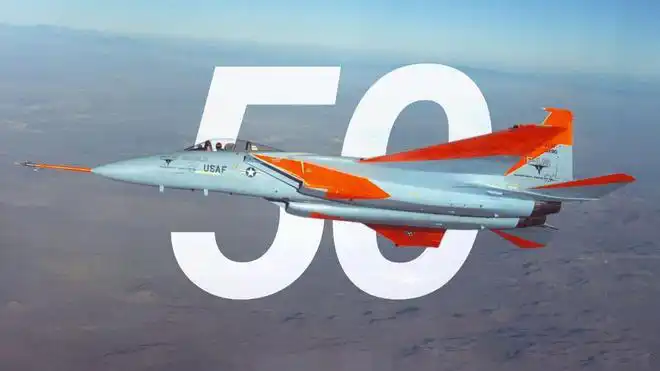
The F-15 Eagle stands as an undisputed icon of air superiority, boasting an unparalleled 104:0 air-to-air kill ratio since its operational debut in the 1970s. Designed to dominate the skies, the F-15 has played a pivotal role in numerous conflicts, demonstrating its lethal capability against enemy fighters, advanced air defense systems, and evolving threats. Its legacy is a testament to engineering excellence, superior pilot training, and continuous modernization.
Unmatched Air Superiority Record
The F-15’s combat record is unparalleled in military aviation history. With a perfect 104 confirmed kills and zero losses in air-to-air combat, the aircraft has engaged and defeated adversaries ranging from Soviet-designed MiG fighters to French Mirage F-1s, helicopters, and transport aircraft.
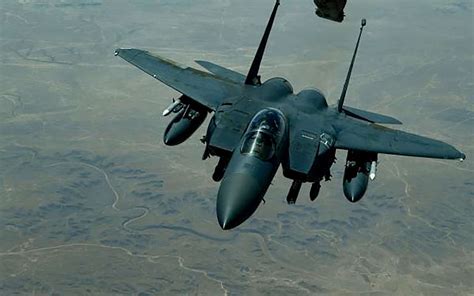
Key Contributors to the Kill Record
Israeli Air Force Dominance
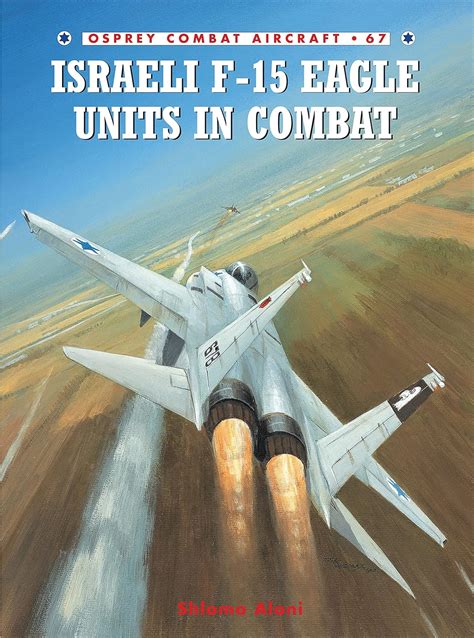
The Israeli Air Force (IAF) has played a pivotal role in solidifying the F-15’s combat reputation. It secured the first-ever F-15 air-to-air kill in 1979 by shooting down a Syrian MiG-21. Israeli F-15s continued their dominance during the 1982 Lebanon War, where they devastated Syrian MiG-21s and MiG-23s in the Bekaa Valley, achieving over 50 kills with zero losses.
U.S. Air Force MiG Killers
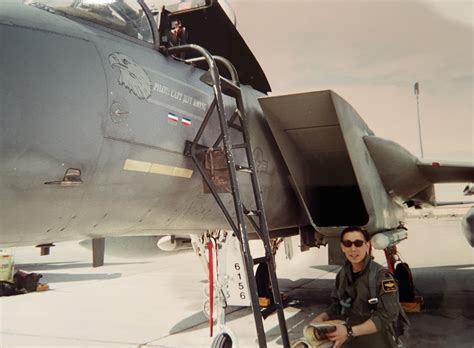
The United States Air Force (USAF) has extensively employed the F-15 in conflicts such as the Gulf War (1991) and the NATO bombing of Yugoslavia (1999). Col. Cesar Rodriguez, a USAF pilot, is credited with three confirmed air-to-air kills, including two MiG-29s during Operation Desert Storm and one in NATO’s Kosovo campaign. The USAF’s deployment of the F-15 solidified its status as a “MiG Killer.”
Major Combat Engagements
Gulf War (1991): Air Superiority Over Iraq
During Operation Desert Storm, the F-15C emerged as the primary air-superiority platform. Equipped with AIM-7 Sparrow, AIM-9 Sidewinder, and AIM-120 AMRAAM missiles, F-15s neutralized Iraqi MiG-29s, Mirage F-1s, and Su-22s, ensuring total dominance over Iraqi airspace. The 33rd Tactical Fighter Wing notably achieved multiple kills, with pilots proudly displaying Iraqi flag decals on their aircraft for each victory.
NATO Operations Over Yugoslavia (1999)
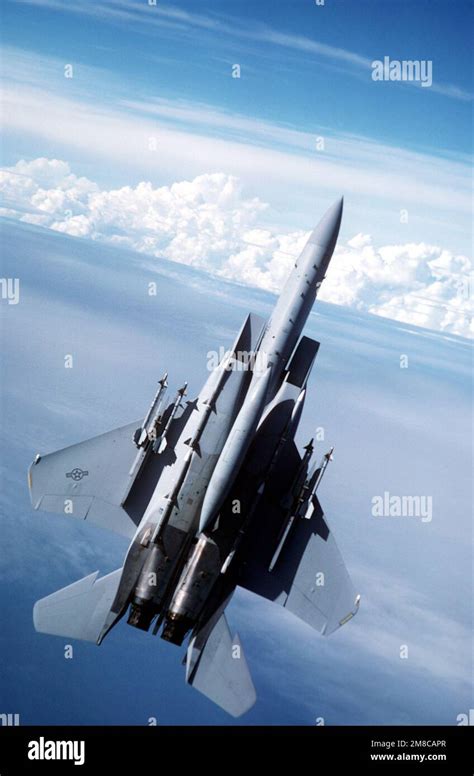
During NATO’s intervention in Yugoslavia, USAF F-15s once again showcased their air dominance by successfully engaging and destroying Serbian MiG-29s. The aircraft’s advanced radar and beyond-visual-range capabilities allowed pilots to engage targets before they could respond, demonstrating its continued effectiveness against modernized adversaries.
Middle Eastern Conflicts: Israel’s Continued Air Superiority
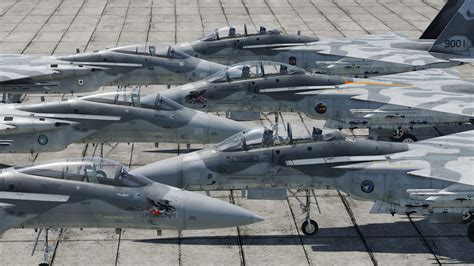
Israeli F-15s continued their air dominance in multiple conflicts, including engagements against Syrian and Iranian-backed forces. In recent years, they have adapted to new threats, successfully intercepting enemy drones, ballistic missiles, and advanced fighter aircraft.
Technological Edge in Combat
Advanced Radar and Avionics
The F-15 has consistently maintained an edge over adversaries due to its Hughes APG-63/70 radar system, which enables beyond-visual-range (BVR) targeting. The aircraft’s ability to detect and track multiple targets in cluttered environments made it particularly lethal in air-to-air combat.
Lethal Weapons Systems
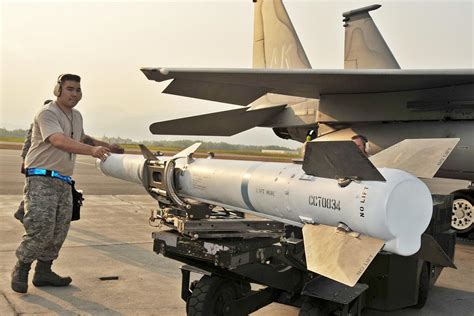
Early models of the F-15 relied on AIM-7 Sparrow and AIM-9 Sidewinder missiles. Later variants incorporated the AIM-120 AMRAAM, drastically improving kill probability in BVR engagements. The latest F-15EX Eagle II now carries up to 22 missiles, doubling the payload of earlier versions, ensuring continued dominance against modern threats.
Exceptional Maneuverability and Performance
The F-15’s high thrust-to-weight ratio, coupled with its powerful Pratt & Whitney F100 engines, allows it to execute complex aerial maneuvers unmatched by many adversaries. Its ability to outmaneuver MiG-21s and MiG-23s in dogfights contributed to its flawless combat record.
Evolution and Modernization
F-15E Strike Eagle: Precision Ground Attack Capability
Introduced in the 1980s, the F-15E Strike Eagle expanded the Eagle’s role by integrating precision ground-attack capabilities while maintaining air superiority. It played a crucial role in Afghanistan, Iraq, and Syria, carrying out precision strikes with GBU-31 JDAM bombs.
F-15EX Eagle II: The Future of Air Superiority
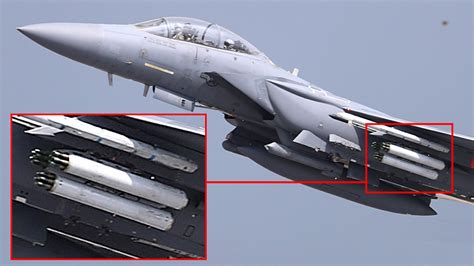
The F-15EX Eagle II, introduced in the 2020s, incorporates cutting-edge technology, including:
- APG-82 AESA radar for enhanced target detection.
- Digital cockpit with advanced displays and automation.
- EPAWSS electronic warfare suite for superior survivability.
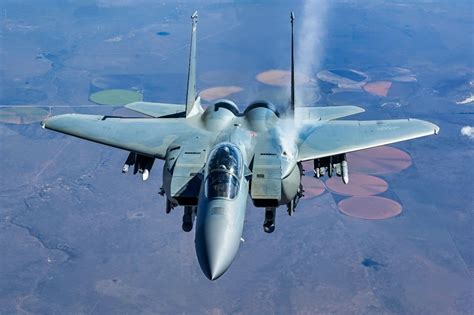
This modernization ensures that the F-15 remains combat-relevant until 2040 and beyond.
Global Impact and Enduring Legacy
Export Success and International Use
The F-15 remains a key asset for U.S. allies, including Japan, Saudi Arabia, South Korea, and Qatar. Saudi F-15s, in particular, have engaged in modern combat, intercepting Houthi drones and missiles in the Middle East.
Longevity and Continued Dominance
Despite the emergence of stealth fighters like the F-35, the F-15 continues to be a critical element of modern air warfare, with planned service extensions and new upgrades ensuring its relevance well into the 2040s.
FAQs
1. How has the F-15 maintained a perfect air-to-air combat record?
The F-15’s success stems from a combination of superior radar, weapon systems, pilot training, and maneuverability. Its ability to engage enemies at beyond-visual ranges and execute high-G dogfights ensures it remains undefeated in air-to-air combat.
2. What makes the F-15EX different from previous models?
The F-15EX features advanced avionics, increased missile capacity, a digital cockpit, and enhanced electronic warfare systems, making it the most capable variant to date.
3. Will the F-15 continue to be relevant against stealth fighters?
Yes, due to continuous upgrades, superior weapons payload, and electronic warfare advancements, the F-15 remains effective against modern threats, including stealth aircraft and integrated air defense systems.