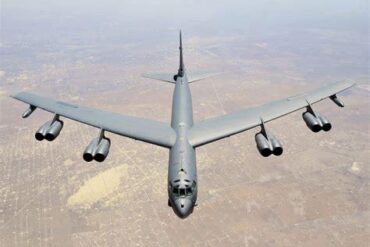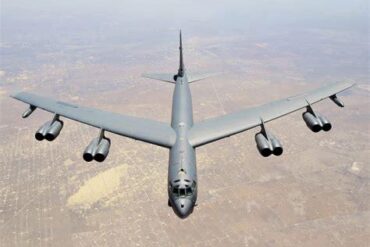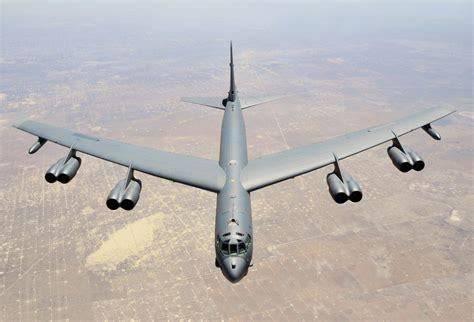
The Boeing B-52 Stratofortress has already achieved something almost unthinkable in aviation: an aircraft conceived in the early Cold War remains a frontline military platform more than seven decades after its first flight. Yet its most extraordinary milestone may still lie ahead. If the US Air Force continues investing in structural sustainment, new engines, advanced sensors, digital systems, and compatible weapons, the B-52 could potentially become the first jet aircraft to reach 100 years of continuous flying.
That possibility is remarkable because the B-52 was never designed with a century-long career in mind. Its first prototype flew in 1952, while operational service began in 1955. The aircraft was created for a very specific strategic problem: carrying enormous bomb loads over intercontinental distances during the early nuclear age. The fact that the same basic airframe can still be relevant in the 21st century says as much about its original engineering as it does about the extraordinary modernization programs that have followed.
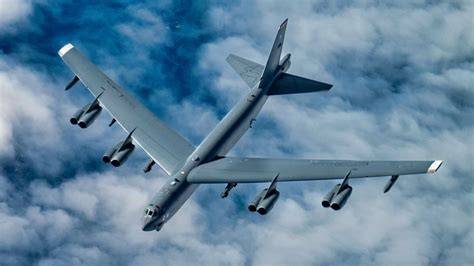
More importantly, the B-52’s longevity is not simply a matter of keeping old aircraft airborne. The Stratofortress has repeatedly been transformed as warfare changed around it. Its weapons, avionics, communications, sensors, navigation systems, engines, and mission systems have evolved while the fundamental airframe has remained. That unusual separation between aircraft structure and mission technology may be the single biggest reason the bomber has survived so many generations of aviation.
From Cold War Nuclear Bomber to Global Strategic Workhorse
The origins of the B-52 can be traced to the strategic pressures that emerged immediately after World War II. The United States needed a bomber capable of carrying nuclear weapons over extraordinary distances without depending on vulnerable overseas bases. The Soviet Union’s growing nuclear capability made long-range strategic aviation an increasingly urgent requirement.
Boeing initially explored configurations involving turboprop propulsion, but rapidly developing jet technology changed the equation. Jet aircraft were becoming the defining symbol of postwar aviation, and the B-52 eventually emerged with eight engines mounted beneath its swept wings. Rather than pursuing extreme speed, Boeing concentrated on a combination of range, payload, altitude, and endurance.
The result was an enormous aircraft that looked futuristic in the 1950s but was built around surprisingly conservative engineering principles. Its designers understood that technology was changing quickly. A bomber optimized around a single generation of electronics or weapons could become obsolete long before its airframe reached the end of its structural life.
Instead, Boeing gave the B-52 considerable structural strength and room for future development. That decision proved extraordinarily valuable. As avionics became digital, weapons became more accurate, and targeting networks became increasingly sophisticated, the Air Force could replace equipment without fundamentally redesigning the airplane.
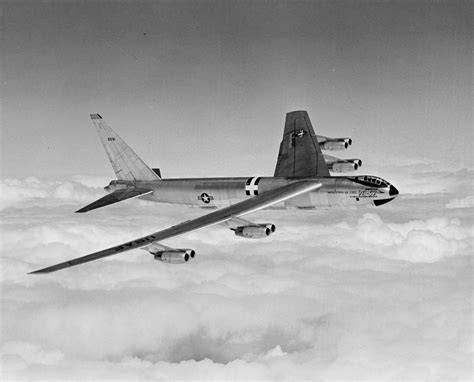
When the B-52 entered Strategic Air Command service in 1955, it became one of the principal instruments of America’s nuclear deterrence strategy. At the time, its combination of intercontinental range and heavy payload represented a capability that few other platforms could match.
The world around it changed dramatically afterward. Intercontinental ballistic missiles emerged, stealth technology transformed strategic aviation, and precision-guided weapons changed the nature of bombing. Yet the B-52 continued finding new reasons to exist.
The B-52’s Combat Record Helped Prove Its Adaptability
The aircraft’s longevity cannot be explained by deterrence alone. The Stratofortress accumulated a remarkable combat history, demonstrating that its usefulness extended well beyond the nuclear mission for which it was created.
Its most famous early combat role came during the Vietnam War, when B-52s conducted large-scale Arc Light bombing missions. The aircraft’s enormous payload capacity allowed it to deliver quantities of conventional ordnance that few other aircraft could approach.
These operations also demonstrated one of the B-52’s defining characteristics: endurance. The aircraft could remain airborne for extended periods and deliver a large weapons load over long distances. It was not a nimble fighter, nor was it designed to penetrate defenses through stealth. Instead, it relied on range, payload, planning, and increasingly sophisticated electronic and weapons systems.
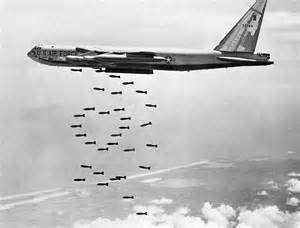
The bomber returned to major combat operations during the Gulf War, where B-52s again demonstrated that an aircraft designed during the 1950s could contribute meaningfully to a modern conflict. Its enormous weapons capacity made it particularly valuable when commanders needed sustained conventional firepower.
Later operations in Afghanistan and Iraq illustrated an even more important transformation. The B-52 increasingly became a precision strike platform, using GPS-guided weapons and networked targeting information rather than relying solely on traditional area bombing techniques.
That evolution is critical to understanding the aircraft’s potential century-long career. The B-52 did not remain relevant because warfare remained unchanged. It remained relevant because the aircraft changed with warfare.
Why the B-52 Airframe Has Survived for So Long
The most impressive part of the B-52’s story may actually be hidden beneath its skin.
Aircraft structures experience enormous stresses throughout their lives. Repeated pressurization cycles, aerodynamic loads, landings, turbulence, temperature changes, and vibration can gradually produce fatigue damage. For high-performance military aircraft, these structural limitations can eventually become more important than the usefulness of their engines or avionics.
The B-52 benefited from a design philosophy that placed considerable emphasis on robustness and serviceability. Its large wings and substantial fuselage were not created around the razor-thin margins that characterize some later aircraft designs.
That does not mean the B-52 structure can simply fly forever. Quite the opposite. Keeping aircraft this old operational requires extensive inspection, maintenance, component replacement, and structural monitoring. The Air Force has spent decades examining airframes and repairing or replacing components as necessary.
But the underlying structure provides something extraordinarily valuable: growth potential.

The distinction matters. An aircraft can become technologically obsolete while remaining structurally healthy. If its structure still has useful life, engineers can potentially install new equipment. Conversely, a highly advanced aircraft with a short structural life may have to be retired even if its electronics remain excellent.
The B-52 repeatedly landed on the favorable side of that equation.
The F130 Engine Upgrade Could Change the B-52’s Future
The original B-52 fleet’s eight Pratt & Whitney TF33 engines have served for decades, but their age creates increasing maintenance and logistical challenges. Keeping large numbers of legacy engines operational becomes progressively more difficult as parts, maintenance expertise, and support infrastructure become less economical.
That is why the Commercial Engine Replacement Program, or CERP, is so important.
Under the program, the B-52 is being prepared to receive Rolls-Royce F130 turbofan engines, replacing its aging propulsion system with modern engines derived from a commercial powerplant family.
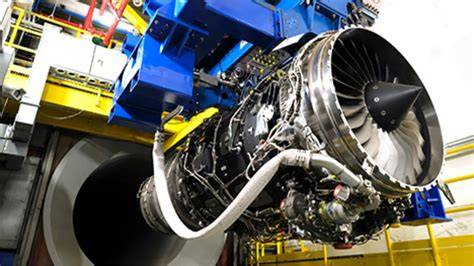
The significance goes far beyond fuel savings. Modern engines can improve fuel efficiency, reliability, maintainability, and potentially endurance. They can also provide additional electrical-generation capacity, which becomes increasingly important as the aircraft receives more sophisticated sensors, communications systems, defensive equipment, and computing hardware.
This is precisely the kind of modernization that can extend an aircraft’s life without changing its fundamental identity.
The B-52 does not need to become a completely new airplane. It needs to remain an effective platform for new technology.
The engine replacement program therefore represents one of the strongest arguments for the bomber’s future. Replacing eight aging engines is an enormous engineering undertaking, but once completed, it could remove one of the major technological and logistical barriers to continued operation.
A New AESA Radar Brings a 1950s Bomber Into the Digital Age
Propulsion is only half of the modernization story. A bomber expected to operate for decades into the future also needs sensors capable of understanding an increasingly complex battlespace.
The B-52 is therefore receiving a major radar upgrade centered on an Active Electronically Scanned Array (AESA) system. AESA technology offers substantial advantages in detection, tracking, mapping, and multitasking compared with older mechanically scanned radar systems.
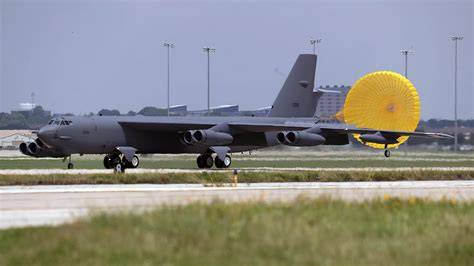
The installation represents a striking technological transformation. The aircraft’s basic aerodynamic design dates to the early 1950s, yet its sensor architecture can be brought much closer to the standard expected of contemporary combat aircraft.
That matters because future warfare will depend increasingly on information. A bomber must know what is around it, communicate with other platforms, receive targeting information, understand threats, and integrate weapons into wider networks.
A modern radar does not magically make the B-52 stealthy. It does, however, make the aircraft better informed and more capable.
There has also been discussion of further cockpit modernization, including a more comprehensive digital or glass-cockpit environment. Such changes may seem cosmetic compared with engines and radar, but they can significantly improve crew workload, situational awareness, maintenance, and compatibility with modern mission systems.
Together, these improvements demonstrate the central principle behind the B-52’s longevity: the airframe is old, but the systems operating through it do not have to be.
Why the B-52J Is More Than a Simple Upgrade
The future version commonly associated with this modernization effort is the B-52J. Although the aircraft will retain the unmistakable silhouette of the Stratofortress, its capabilities will be substantially removed from those of the original 1950s bomber.
That distinction is essential when discussing the possibility of 100 years of flying.
Nobody seriously expects an untouched 1950s B-52, operating with original engines and original electronics, to remain in service for a century. The century-old achievement would instead represent something more fascinating: an enduring aircraft architecture repeatedly rebuilt around new technology.
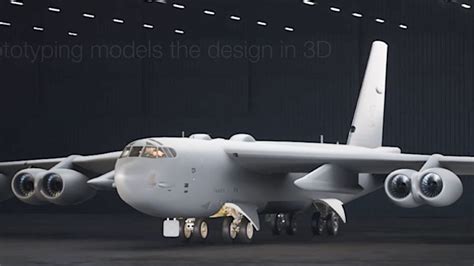
In that sense, the B-52 is closer to a continuously evolving platform than a static aircraft model. Its descendants may share the same basic structure and aerodynamic configuration while possessing radically different propulsion, avionics, weapons, sensors, and communications.
This is also why comparing the B-52 simply with newer bombers can be misleading. The question is not whether a 1950s bomber is technologically superior to a 21st-century stealth aircraft. It clearly is not. The question is whether its airframe remains useful enough to justify modernization.
For decades, the answer has been yes.
Why the Tu-95 Is the B-52’s Closest Rival
The B-52 is not the only Cold War-era strategic bomber still flying.
The Soviet-designed Tupolev Tu-95 Bear is its most obvious historical counterpart. The two aircraft first flew during roughly the same era and were created to fulfill similar strategic requirements: carrying substantial weapons loads over enormous distances.
Yet there is an important difference when discussing a 100-year milestone.
The Tu-95 remained in production until 1992, decades after B-52 production ended in 1962. Consequently, many Tu-95s operating today are considerably younger than the oldest B-52s still in service.
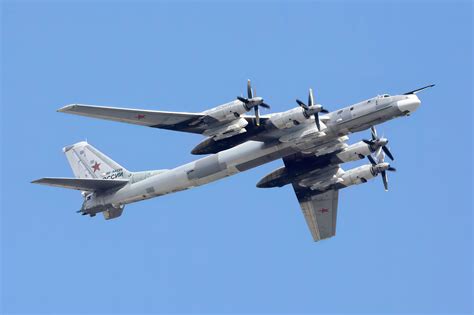
The Tu-95 also uses turboprop propulsion rather than jet engines. Its distinctive contra-rotating propellers have contributed to its extraordinary range and endurance, but they place it in a different category from the B-52 when considering which jet aircraft might become the first to reach a century of continuous flying.
Russia has continued to modernize the Tu-95 and has indicated that the type is expected to remain relevant well into the future. Its survival demonstrates that the B-52’s philosophy is not entirely unique. Long-range bombers can possess unusually long useful lives when their basic structures remain viable and their missions continue to justify investment.
Still, the B-52 has a particularly strong claim because of its combination of age, continued active service, and planned modernization.
Why Most Other Jet Aircraft Cannot Match It
Passenger aircraft generally have much shorter economic lives. Even when an airliner remains structurally sound, fuel efficiency, maintenance costs, cabin standards, noise regulations, and advances in technology eventually make continued operation unattractive.
Military aircraft face a different set of pressures. Fighters endure intense aerodynamic stresses and rapid technological evolution. New generations of radar, missiles, electronic warfare systems, and stealth requirements can make an older fighter difficult to upgrade economically.
Bombers have an advantage.
Their missions often reward payload, range, endurance, and weapons integration more than extreme maneuverability. A large bomber therefore has physical space and structural capacity for new equipment. That makes it particularly well suited to incremental modernization.
The B-52 embodies this advantage better than almost any other jet aircraft.
It is effectively a massive airborne infrastructure platform. Engineers can replace components, modify wiring, integrate new weapons, install new sensors, and update computers while retaining the fundamental aircraft.
That is why the B-52’s future is not really a story about nostalgia. It is a story about economics and engineering.
Could the B-52 Really Fly Into the 2050s and Beyond?
The US Air Force has pursued plans that would keep the B-52 in service into the 2050s, potentially giving some aircraft roughly a century between their first flight and eventual retirement.
That does not mean every B-52 will reach that age. Individual airframes will have different structural histories, maintenance records, and remaining service lives. The milestone would be achieved if at least some aircraft continuously remain operational through the period.
Several factors will determine whether that happens.
Funding is perhaps the most obvious. Modernization programs require sustained investment over decades, and priorities can change as governments, defense budgets, and strategic requirements evolve. A technically viable aircraft can still disappear if policymakers decide another platform provides better value.
Industrial capacity also matters. Keeping a fleet of exceptionally old aircraft alive requires suppliers, engineers, maintenance personnel, spare parts, technical data, and specialized facilities. As the original manufacturing era disappears further into history, sustaining that ecosystem becomes increasingly difficult.
Yet the B-52 has an enormous advantage: there is already a long-established infrastructure built around it.
The aircraft has survived numerous changes in American defense policy precisely because planners have repeatedly found new missions for it. As long as that pattern continues, the Stratofortress has a credible path toward an extraordinary milestone.
The B-52’s Century-Long Legacy Could Redefine Aircraft Longevity
A century of continuous flying would make the B-52 more than an aviation record holder. It would represent a remarkable lesson in how military aircraft can survive technological revolutions.
The Stratofortress has outlived the Cold War that created it. It has survived the arrival of ICBMs, the rise of stealth aircraft, precision-guided weapons, satellite navigation, network-centric warfare, and generations of electronic systems.
Its survival has never depended on remaining technologically frozen. It has depended on doing the opposite.
The B-52 has survived because it has been allowed to change.
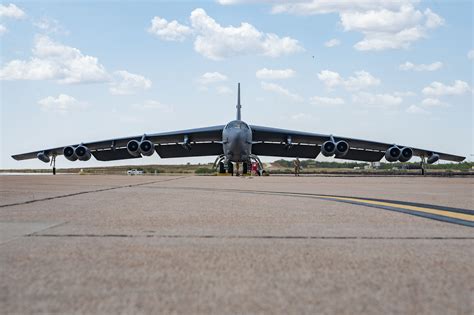
If current modernization plans remain funded and structural sustainment continues successfully, B-52s could still be performing operational missions decades from now. By then, the aircraft’s original engines, computers, radar, weapons systems, and cockpit technology will be little more than historical artifacts.
The airframe, however, may still carry the same distinctive swept wings and eight-engine heritage that first appeared in the skies in 1952.
That is what makes the prospect of the B-52 becoming the first jet aircraft to reach 100 years of continuous flying so extraordinary. It would not mean that 1950s technology defeated modern aviation. It would demonstrate something more interesting: that an aircraft designed with enough structural strength, adaptability, and room for technological growth can remain useful long after nearly everything inside it has changed.
The B-52 was born as a Cold War nuclear bomber. It became a conventional strike aircraft, a precision weapons platform, a networked combat asset, and now a candidate for another generation of modernization.
If it reaches its centennial in the air, the Stratofortress will have accomplished something few engineers could have imagined when its prototype first lifted off: turning adaptability itself into a form of longevity.