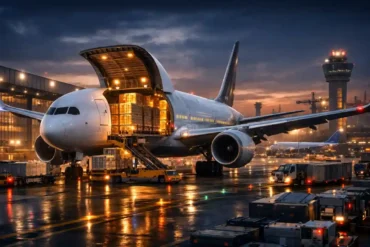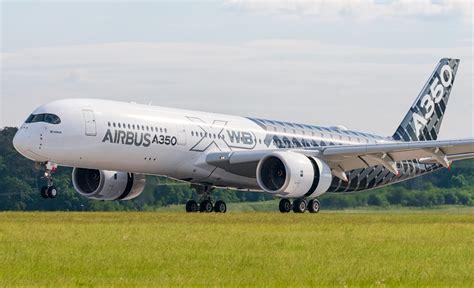
The aviation industry spent decades chasing lighter airframes, lower fuel burn, and longer range. In that pursuit, manufacturers created two engineering masterpieces: the Airbus A350 and the Boeing 787 Dreamliner. Both aircraft transformed long-haul travel with remarkable efficiency, reduced operating costs, and passenger-friendly cabins. Airlines embraced them as symbols of modern aviation. Passengers saw them as the future of air travel.
What almost nobody discussed during their development, however, was what would happen decades later when these aircraft reached the end of their operational lives.
That silence is becoming increasingly difficult to ignore.
The problem is not engines, avionics, or landing gear. Those components already have mature recycling and resale ecosystems. The real issue is the airframe itself. Unlike older jets built primarily from aluminum, the A350 and 787 rely heavily on carbon fiber reinforced polymer composites. These materials made the aircraft lighter and stronger, but they also introduced one of the most serious sustainability dilemmas commercial aviation has ever faced.
For years, recycling experts warned that aerospace composites would eventually create a disposal crisis. The industry largely deferred the issue because the first generation of composite-heavy jets was still young. Today, that timeline is shrinking rapidly. The earliest 787s are already aging, and within the next two decades thousands of composite-intensive aircraft will approach retirement.
The aviation sector now faces an uncomfortable reality: the airplanes designed to represent the future of sustainable flying may become some of the hardest aircraft in history to recycle responsibly.

The Carbon Fiber Revolution That Changed Commercial Aviation Forever
When Boeing launched the 787 Dreamliner program in the early 2000s, the aircraft represented a radical departure from traditional airliner construction. Instead of relying primarily on aluminum alloys, Boeing embraced composite materials at unprecedented scale. Airbus followed a similar path with the A350.
The decision made perfect sense from an engineering standpoint.
Carbon fiber reinforced polymer composites deliver extraordinary strength while weighing significantly less than metal. Every kilogram removed from an aircraft translates directly into lower fuel consumption, greater range, and reduced emissions. For airlines operating long-haul routes, those savings are enormous. Lighter aircraft burn less fuel over millions of flight miles, reducing operational costs while helping carriers meet stricter environmental targets.
The result was revolutionary. The 787 and A350 achieved fuel efficiency improvements that older widebody jets simply could not match. They introduced quieter cabins, improved humidity levels, larger windows, and better passenger comfort. Airlines rapidly ordered hundreds of them because the economics were impossible to ignore.
But the same material that transformed aviation economics also shattered the traditional recycling model the industry had depended on for decades.
Older aircraft, particularly aluminum-heavy jets like the Boeing 747 or Airbus A340, were comparatively straightforward to dismantle. Once valuable components were removed, recyclers could melt down large portions of the airframe and reuse the metal in other industries. Aluminum recycling is both energy-efficient and profitable. That economic reality helped create a mature aircraft dismantling ecosystem.
Composite aircraft fundamentally changed those assumptions.
The A350 and 787 contain more than 50% composite materials by structural weight. That percentage is dramatically higher than previous generations of commercial aircraft. Instead of dealing primarily with recyclable metal, dismantlers are now confronting massive airframes composed of chemically bonded fibers and resins that resist traditional recycling techniques.
The industry optimized these aircraft for performance in the sky, not disposal on the ground.
Why Carbon Fiber Is So Difficult To Recycle
To understand why the recycling challenge is so severe, it is necessary to understand how aerospace-grade carbon fiber composites are manufactured.
Carbon fiber reinforced polymer materials consist of ultra-strong carbon fibers embedded within hardened resin systems. During production, the resin chemically cures around the fibers, creating an extremely rigid and lightweight structure. This bonding process is precisely what gives the material its incredible strength-to-weight ratio.
It is also what makes recycling so problematic.
Unlike aluminum, carbon fiber composites cannot simply be melted and reformed into new structures. Once the resin cures, the chemical bonds become effectively permanent. Heating the material does not return it to a reusable liquid state. Instead, excessive heat damages the fibers, destroys structural integrity, or burns away essential components.
That limitation forces recyclers into far more complicated recovery methods.
Mechanical recycling is the simplest approach, but also the least valuable. The composite material is shredded into small fragments, reducing the carbon fibers into short strands that lose much of their original strength. These recycled fragments are typically downgraded into low-value filler materials used in products like concrete reinforcement or industrial plastics.
Thermal recycling methods such as pyrolysis attempt to recover intact fibers by burning away the resin in oxygen-free environments. While this process preserves more fiber structure, it comes with major drawbacks. The energy requirements are substantial, operational costs remain high, and the recovered fibers often lose significant tensile strength compared to virgin aerospace-grade material.
Chemical recycling techniques offer the most promising long-term solution because they can separate fibers from resin more effectively while preserving fiber quality. However, these methods remain expensive, technologically complex, and difficult to scale for industrial aviation use.
The economics are brutal.
Recycling aluminum aircraft is profitable because the recovered material retains high value. Recycling composite aircraft often costs more than the recovered material is worth.
That imbalance threatens the entire dismantling ecosystem.
The Massive Scale Of The Coming Aircraft Waste Problem
The numbers involved are staggering.
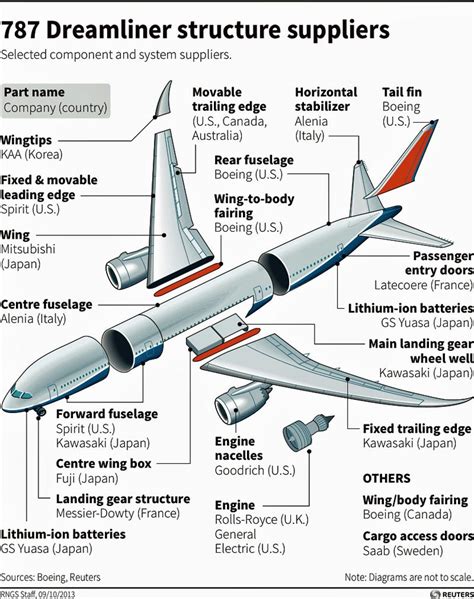
A single Boeing 787 contains tens of thousands of kilograms of carbon fiber reinforced composites. Multiply that by the thousands of Dreamliners and A350s already flying worldwide, and the scale of future composite waste becomes enormous.
Commercial aviation is entering a historic fleet transition period. Airlines are rapidly retiring older aircraft in favor of next-generation fuel-efficient jets. Over the next two decades, the number of composite-intensive airframes reaching retirement age will increase dramatically.
That surge creates a problem the industry is not yet prepared to handle.
Unlike aluminum, composite waste does not fit neatly into existing industrial recycling infrastructure. Landfills are already under pressure globally, and environmental regulations surrounding industrial disposal continue to tighten. Incineration presents its own environmental concerns due to emissions and energy consumption.
What makes the situation even more concerning is that aviation is not the only industry facing this challenge.
Wind turbine blades, high-performance automobiles, military systems, and industrial machinery increasingly rely on composite materials as well. Aerospace is competing with multiple sectors for limited recycling capacity and emerging technological solutions.
The result could become a bottleneck affecting the entire sustainability narrative surrounding modern aviation.
For years, airlines promoted aircraft like the A350 and 787 as environmentally responsible because they consumed less fuel and emitted less carbon dioxide during operation. Those claims remain true. But lifecycle sustainability extends beyond operational efficiency. Eventually, every aircraft must be dismantled, processed, and disposed of.
If the majority of a retired aircraft ultimately ends up buried, burned, or downgraded into low-grade industrial filler, the environmental equation becomes far more complicated.
What Happens When A Boeing 787 Or Airbus A350 Retires Today
When commercial aircraft reach retirement, they rarely go directly to scrapyards. Instead, they typically make one final flight to specialized storage and dismantling facilities located in dry climates.
Places like Mojave Air and Space Port and Teruel Airport became famous for storing retired aircraft because low humidity slows corrosion and preserves valuable components.
The dismantling process itself is highly systematic.
Technicians first remove fluids, batteries, hydraulic systems, and hazardous materials. Engines are detached and inspected for potential resale or reuse. Landing gear, avionics, auxiliary power units, and cabin systems are stripped from the aircraft because these components retain substantial aftermarket value.
For traditional aluminum aircraft, the remaining airframe still holds considerable recycling potential.
For composite-heavy aircraft, that final stage becomes far more problematic.
Once the valuable parts are removed from a 787 or A350, recyclers are left with enormous composite fuselage sections and wing structures that have limited recovery pathways. Current technologies cannot economically restore these materials into aerospace-grade composites at industrial scale.
As a result, much of the remaining structure may ultimately face three outcomes: landfill disposal, incineration, or low-grade material recovery.
That reality represents a dramatic downgrade from the original engineering sophistication of these aircraft.
The irony is difficult to miss. Some of the most advanced airplanes ever built could eventually become extraordinarily expensive waste-management problems.

Why Airlines And Manufacturers Are Starting To Worry
For years, the composite recycling issue remained largely theoretical because the fleets were young. Airlines focused on operational performance, while manufacturers concentrated on production and sales.
Now the timeline is changing.
The earliest 787 aircraft entered service in 2011. By the 2030s and 2040s, substantial numbers of first-generation composite airliners will approach retirement windows. That means manufacturers, recyclers, regulators, and airlines can no longer treat the problem as distant.
Both Airbus and Boeing have begun exploring recycling partnerships and experimental recovery programs, but progress remains early-stage.
The key word is “exploring.”
There is still no globally scaled, economically viable system capable of processing thousands of retired composite airliners efficiently. Research programs exist. Pilot projects exist. Industrial certainty does not.
This gap highlights a broader issue within aerospace engineering culture. Aircraft are designed primarily around operational efficiency, certification standards, safety, and economics during service life. End-of-life disposal historically received far less attention because aluminum recycling already worked effectively.
Composite aircraft disrupted that assumption without providing a mature alternative.
Manufacturers now face growing pressure to prove that the future of aviation sustainability extends beyond fuel efficiency claims. Regulators are increasingly focused on lifecycle emissions and waste management. Investors are asking tougher environmental questions. Airlines themselves are becoming more sensitive to sustainability scrutiny.
The industry understands the reputational risk.
If future headlines focus on thousands of composite airliners sitting in storage facilities with no viable disposal pathway, the environmental messaging surrounding next-generation aviation could suffer serious damage.
The Search For A Real Recycling Solution
Despite the challenges, the situation is not hopeless.
Researchers worldwide are aggressively pursuing technologies capable of making composite recycling commercially practical. Some experimental methods already show encouraging results.
Advanced hybrid recycling systems combining chemical and thermal processes have demonstrated the ability to recover carbon fibers retaining much of their original strength. If scaled successfully, these technologies could dramatically improve the economics of composite recovery.
The aerospace sector is also exploring secondary markets for recycled carbon fiber.
Instead of returning recovered fibers directly into aerospace structures, manufacturers may redirect them toward automotive components, sporting equipment, industrial applications, or consumer electronics where slightly reduced material performance remains acceptable.
That approach could help establish broader commercial demand for recycled composite materials.
Another promising avenue involves thermoplastic composites. Unlike the thermoset composites dominating current widebody aircraft, thermoplastics can be reheated and reshaped more easily. Future aircraft designs may increasingly adopt these materials precisely because they offer superior recyclability.
However, thermoplastics will not solve the immediate issue facing existing A350 and 787 fleets.
Those aircraft are already built. Their structures are already chemically locked into difficult-to-recycle thermoset systems. The industry cannot redesign them retroactively.
That means aviation must simultaneously solve two separate challenges: developing better materials for future aircraft while creating viable disposal systems for current fleets.
The Economic Problem Nobody Wants To Discuss
The technological hurdles are serious, but the financial challenge may be even bigger.
Recycling industries survive on economics. Materials are recovered because they hold sufficient value to justify processing costs. Aluminum recycling thrives because recycled metal remains profitable. Composite recycling still struggles to reach that threshold.
That creates a dangerous incentive imbalance.
If dismantling composite aircraft remains expensive and financially unattractive, operators may favor the cheapest disposal methods available rather than the most environmentally responsible ones. Without strong regulatory frameworks or economic incentives, sustainable recycling adoption could remain slow.
The automotive industry offers an important contrast.
Vehicle manufacturers in many regions already operate under strict end-of-life recycling regulations that force automakers to consider disposal during the design process. Aviation lacks similarly unified global rules governing composite aircraft recycling.
That regulatory gap matters enormously.
Without standardized international frameworks, recycling infrastructure investment remains uncertain. Companies hesitate to spend heavily on expensive processing facilities without clear long-term demand guarantees or regulatory mandates.
The result is a classic industrial stalemate. The infrastructure does not exist because the economics are weak, and the economics remain weak because the infrastructure does not exist.
Breaking that cycle will require coordination across manufacturers, airlines, governments, recyclers, and certification authorities.
The Future Of Sustainable Aviation Depends On Solving This
The aviation industry often frames sustainability around fuel burn, emissions reduction, and sustainable aviation fuel development. Those issues remain critically important. But aircraft disposal is rapidly emerging as another major environmental battleground.
The A350 and 787 proved that composite materials could revolutionize commercial flight performance. They fundamentally reshaped long-haul aviation economics and passenger expectations. Yet their success also exposed a serious blind spot within aerospace sustainability planning.
For decades, aircraft recycling worked because aluminum recycling worked.
Composite airliners changed the equation completely.
The next phase of aviation innovation will not be defined solely by quieter engines, longer range, or hydrogen propulsion concepts. It will also depend on whether manufacturers can build aircraft that remain environmentally manageable from birth to retirement.
That challenge is becoming urgent.
Thousands of composite-heavy aircraft will eventually leave service. When they do, the industry must decide whether these engineering marvels become models of circular sustainability or symbols of an environmental problem aviation failed to anticipate.
The answer will shape how future generations judge the legacy of the Airbus A350 and Boeing 787 Dreamliner.