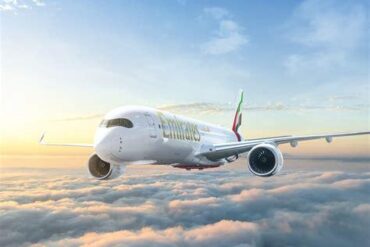
The story of Emirates has always been closely tied to distance. From its hub in Dubai, the airline transformed geographic positioning into one of the most powerful global aviation networks ever created. While many carriers built their business models around regional dominance or domestic connectivity, Emirates pursued a different vision—connecting nearly every major continent through long-range nonstop flights. That strategy depended heavily on large widebody aircraft capable of carrying substantial passenger volumes across immense distances, and for years the airline achieved remarkable success with the Boeing 777 and Airbus A380.
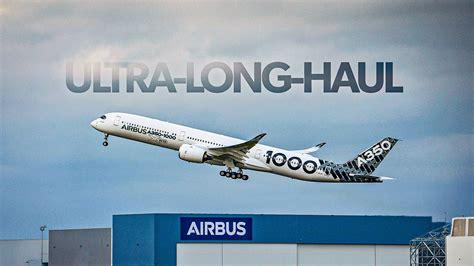
Today, however, the aviation industry is entering a new era. Aircraft technology, environmental expectations, passenger preferences, and operating economics are evolving simultaneously. Emirates now faces one of the most significant fleet transitions in its history. The Airbus A350-1000 has emerged as a particularly attractive solution, offering a combination of range, efficiency, capacity, and passenger comfort that aligns remarkably well with the airline’s long-term ambitions.
As Emirates prepares for the next generation of ultra-long-haul operations, few aircraft appear better suited to support that mission than the Airbus A350-1000.
Emirates’ Business Model Depends On Flying Extremely Long Distances
Unlike airlines that primarily rely on domestic traffic or short regional routes, Emirates built its entire network around connecting passengers through Dubai. The carrier links cities across Europe, Asia, Africa, Oceania, and the Americas through carefully coordinated flight schedules that maximize global connectivity.
This strategy naturally requires aircraft capable of operating some of the longest commercial routes in the world. Flights between Dubai and destinations such as Los Angeles, San Francisco, Auckland, Houston, Seattle, and various Australian cities regularly stretch beyond fourteen hours. Some sectors approach sixteen hours or more depending on routing, weather conditions, and air traffic restrictions.
The challenge with ultra-long-haul flying is that every operational factor becomes magnified. Fuel costs increase dramatically. Crew requirements become more complex. Aircraft reliability becomes even more critical. Small efficiency gains that may appear insignificant on shorter routes can translate into millions of dollars in annual savings when applied across an extensive long-haul network.
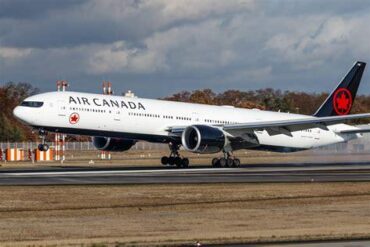
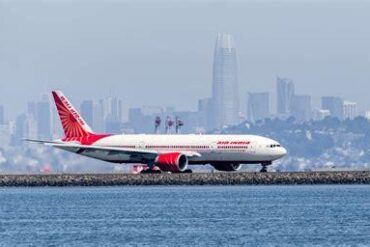
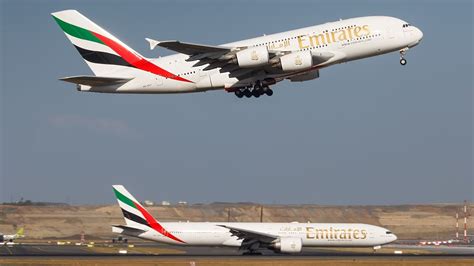
For decades, Emirates relied primarily on the Boeing 777-300ER and the Airbus A380 to perform these demanding missions. Both aircraft helped define the airline’s success, but neither represents the future of long-range aviation. As these fleets age, Emirates needs a replacement capable of preserving its global reach while improving economics. The A350-1000 fits that requirement exceptionally well.
After years of discussion about future fleet planning, the aircraft increasingly appears to be one of the most logical additions available to the airline.
Why Airbus Designed The A350-1000 For Missions Like Emirates Operates
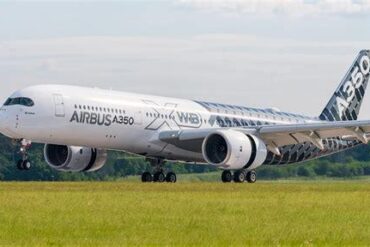
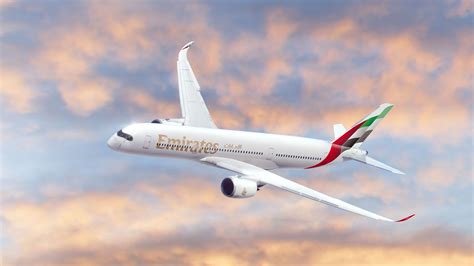
The Airbus A350 program was created specifically to address modern long-haul requirements. Rather than simply improving upon older aircraft designs, Airbus developed an entirely new platform focused on maximizing efficiency while maintaining exceptional range capabilities.
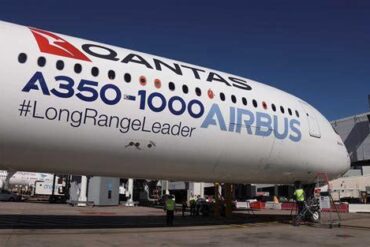
The A350-1000 represents the largest member of the family and serves as Airbus’ flagship twin-engine widebody. It was engineered to compete directly in the segment traditionally dominated by large Boeing aircraft while delivering significantly improved operating economics.
One of the aircraft’s most impressive characteristics is its range. With the ability to fly approximately 8,700 nautical miles, the A350-1000 can comfortably operate virtually every route within Emirates’ network. More importantly, it can achieve those distances while carrying commercially meaningful passenger and cargo payloads.
Range alone is not enough to make an aircraft successful. Airlines need aircraft that can generate revenue efficiently. The A350-1000 accomplishes this through an integrated design philosophy that combines advanced aerodynamics, lightweight composite materials, highly efficient engines, and optimized systems architecture.
The result is an aircraft capable of transporting hundreds of passengers across enormous distances while consuming significantly less fuel than previous-generation widebodies.
For Emirates, which routinely operates flights lasting fifteen hours or longer, this capability directly supports profitability.
The Importance Of Fuel Efficiency On Ultra-Long-Haul Routes
Fuel remains the single largest variable operating cost for most airlines. On ultra-long-haul flights, its importance becomes even greater.
A flight lasting sixteen hours consumes vastly more fuel than a regional service. Even modest improvements in fuel burn can produce substantial financial benefits across a large fleet operating daily long-haul missions.
The Airbus A350-1000 was designed specifically to address this challenge. Compared with older aircraft such as the Boeing 777-300ER, the aircraft can deliver significant reductions in fuel consumption. Depending on route characteristics and cabin configuration, airlines can achieve savings that fundamentally improve route economics.
These efficiency gains originate from several key design features.
The aircraft incorporates extensive use of carbon-fiber-reinforced composites throughout its structure. Composite materials are lighter than traditional aluminum while maintaining exceptional strength. Reduced weight translates directly into lower fuel consumption.
Airbus also developed highly efficient aerodynamic surfaces, including advanced wing designs that minimize drag during cruise. Every aspect of the aircraft was optimized for long-distance performance.
The Rolls-Royce Trent XWB-97 engines further enhance efficiency by delivering the thrust required for long-range operations while maintaining competitive fuel consumption characteristics.
For an airline operating hundreds of daily long-haul departures, these cumulative advantages can generate enormous cost savings over the life of the aircraft.
A Capacity Sweet Spot Between The A350-900 And The A380
One of the most compelling aspects of the A350-1000 is its ability to occupy a unique position within Emirates’ fleet structure.
The Airbus A380 remains unmatched in terms of passenger capacity. However, not every route can consistently support more than 500 seats. Operating an aircraft that is too large can reduce profitability even on popular routes.
At the opposite end, smaller widebodies may offer excellent efficiency but lack the capacity necessary to maximize revenue on high-demand services.
The A350-1000 strikes a highly attractive balance.
In typical airline configurations, the aircraft accommodates approximately 350 to 410 passengers. This allows Emirates to serve major international routes with substantial capacity while avoiding the challenges associated with operating very large aircraft.
The flexibility created by this capacity level is particularly valuable. Markets fluctuate over time. Seasonal demand changes. Economic conditions evolve. Airlines increasingly benefit from aircraft that can adapt to shifting market realities without sacrificing efficiency.
The A350-1000 provides precisely that flexibility.
Passenger Comfort Becomes More Important As Flights Get Longer
On flights lasting two or three hours, cabin comfort is certainly appreciated. On flights lasting sixteen hours, it becomes a major competitive advantage.
Emirates has built much of its global reputation around passenger experience. The airline consistently invests in premium products, advanced inflight entertainment systems, and superior onboard service. Any future fleet addition must support these standards.
The A350-1000 was developed with passenger wellbeing as a central design priority.
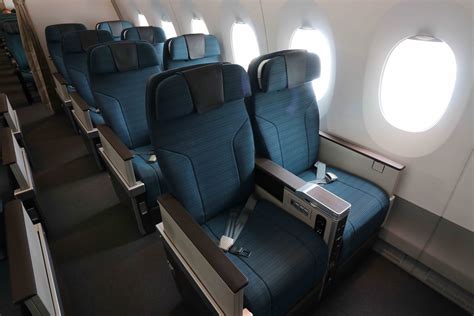
Its Airspace cabin introduces several features specifically intended to improve comfort during extended journeys. Cabin altitude is lower than that found on many older aircraft, helping reduce fatigue and discomfort. Improved humidity levels help passengers feel less dehydrated during long flights.
Noise reduction is another significant benefit. Modern engine technology, advanced insulation, and optimized aerodynamic design contribute to a substantially quieter cabin environment.
These improvements may seem subtle individually, but collectively they can dramatically influence how passengers feel after spending fifteen or sixteen hours in the air.
For Emirates, which competes heavily for premium travelers, these advantages support the airline’s broader customer experience strategy.
The A350-1000 Offers Valuable Fleet Commonality
Fleet simplicity has always been one of Emirates’ strengths.
Compared with many global airlines operating numerous aircraft types, Emirates historically concentrated on a relatively streamlined fleet. This approach reduces training costs, simplifies maintenance planning, and improves operational efficiency.
The A350-1000 aligns perfectly with this philosophy because of its extensive commonality with the A350-900.
Pilots certified on one variant can transition to the other with minimal additional training. Maintenance procedures remain highly similar. Spare parts inventories can be streamlined. Technical expertise can be shared across both fleets.
These operational synergies generate tangible financial benefits.
As Emirates continues integrating the A350-900 into its operations, adding the larger A350-1000 becomes increasingly attractive because much of the required infrastructure and expertise already exists.
Rather than introducing an entirely new aircraft ecosystem, Emirates could expand within an established family.
The Boeing 777X Delays Have Changed The Strategic Landscape
For many years, the Boeing 777X was expected to become the centerpiece of Emirates’ future long-haul fleet.
The airline placed one of the largest commitments to the program and anticipated using the aircraft to replace aging Boeing 777-300ERs. However, repeated delays have significantly altered the timeline.
Certification challenges and development setbacks have extended the program beyond original expectations. As a result, Emirates must carefully evaluate alternative solutions to ensure adequate fleet renewal capacity.
The A350-1000 benefits directly from this uncertainty.
Rather than waiting indefinitely for future aircraft deliveries, Emirates has the opportunity to accelerate modernization through a platform that is already in commercial service and has demonstrated strong operational performance worldwide.
The aircraft effectively provides a hedge against future uncertainties while simultaneously addressing immediate fleet requirements.
This strategic flexibility is particularly valuable in an industry where aircraft acquisition decisions often influence operations for decades.
Engine Considerations Remain The Primary Question
Despite the aircraft’s many advantages, one issue continues to influence Emirates’ evaluation of the A350-1000.
The airline has expressed concerns regarding the Rolls-Royce Trent XWB-97 engine, particularly relating to maintenance requirements and durability expectations under demanding operational conditions.
Dubai presents a challenging operating environment. High temperatures, humidity, and heavy utilization place considerable demands on aircraft engines.
Emirates has historically maintained extremely high expectations regarding reliability and maintenance performance. Any aircraft entering the fleet must meet those standards consistently.
While the smaller A350-900 and its Trent XWB-84 engines have generated positive feedback, the airline has indicated that improvements in the larger variant’s engine performance could significantly influence future purchasing decisions.
This issue remains one of the most important factors determining whether Emirates ultimately commits to a substantial A350-1000 order.
However, the fact that discussions continue demonstrates how attractive the aircraft remains despite these concerns.
Sustainability Goals Make The A350-1000 Even More Relevant
Environmental considerations are becoming increasingly important throughout global aviation.
Governments, regulators, investors, and passengers all expect airlines to reduce emissions while maintaining connectivity. Achieving these objectives requires substantial improvements in aircraft efficiency.
The A350-1000 contributes meaningfully to these goals.
Lower fuel consumption directly reduces carbon emissions. Modern engines produce fewer pollutants. Advanced aerodynamics improve overall environmental performance.
For Emirates, sustainability initiatives must be balanced against operational realities. The airline cannot simply reduce capacity or eliminate long-haul routes. Its business model depends on maintaining extensive global connectivity.
The A350-1000 offers a practical path forward by enabling significant efficiency improvements without sacrificing network reach.
This balance between environmental responsibility and commercial performance represents one of the aircraft’s greatest strengths.
Why The Airbus A350-1000 Fits Emirates’ Future Better Than Almost Any Other Aircraft
Fleet planning is ultimately about alignment. The most successful aircraft are not necessarily those with the most impressive specifications. They are the aircraft that best support an airline’s strategic objectives.
The Airbus A350-1000 aligns remarkably well with Emirates’ needs.
It provides the range required for global ultra-long-haul operations. It offers capacity levels ideal for many of the airline’s busiest international routes. It delivers major improvements in fuel efficiency. It enhances passenger comfort. It supports sustainability goals. It shares extensive commonality with the growing A350-900 fleet.
Perhaps most importantly, it allows Emirates to continue doing what it has always done best: connecting distant cities through long-range nonstop flights while maintaining a premium passenger experience.
As older Boeing 777s gradually retire and the aviation industry moves toward more efficient widebody fleets, the A350-1000 stands out as one of the few aircraft capable of carrying Emirates’ ultra-long-haul strategy into the next decade.
If engine concerns are fully resolved and a future order materializes, the Airbus A350-1000 could become not merely another fleet addition, but one of the defining aircraft of Emirates’ next generation of global expansion.