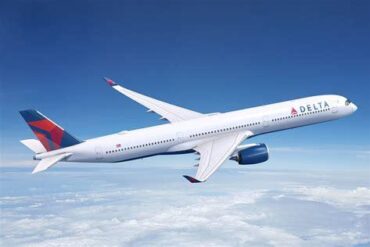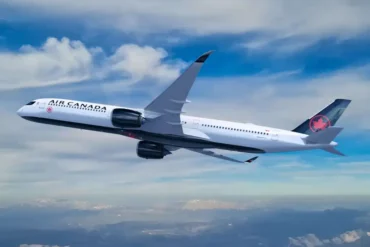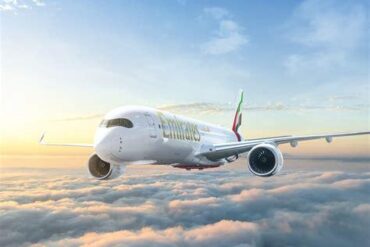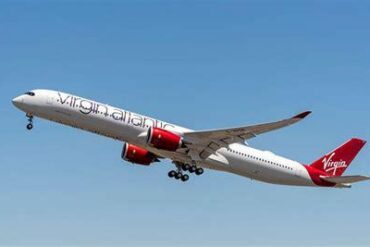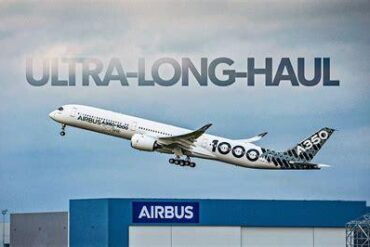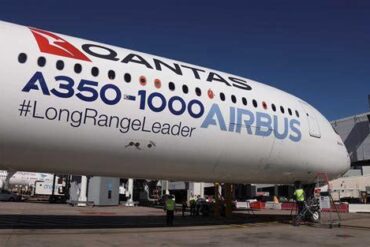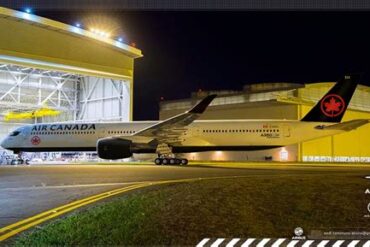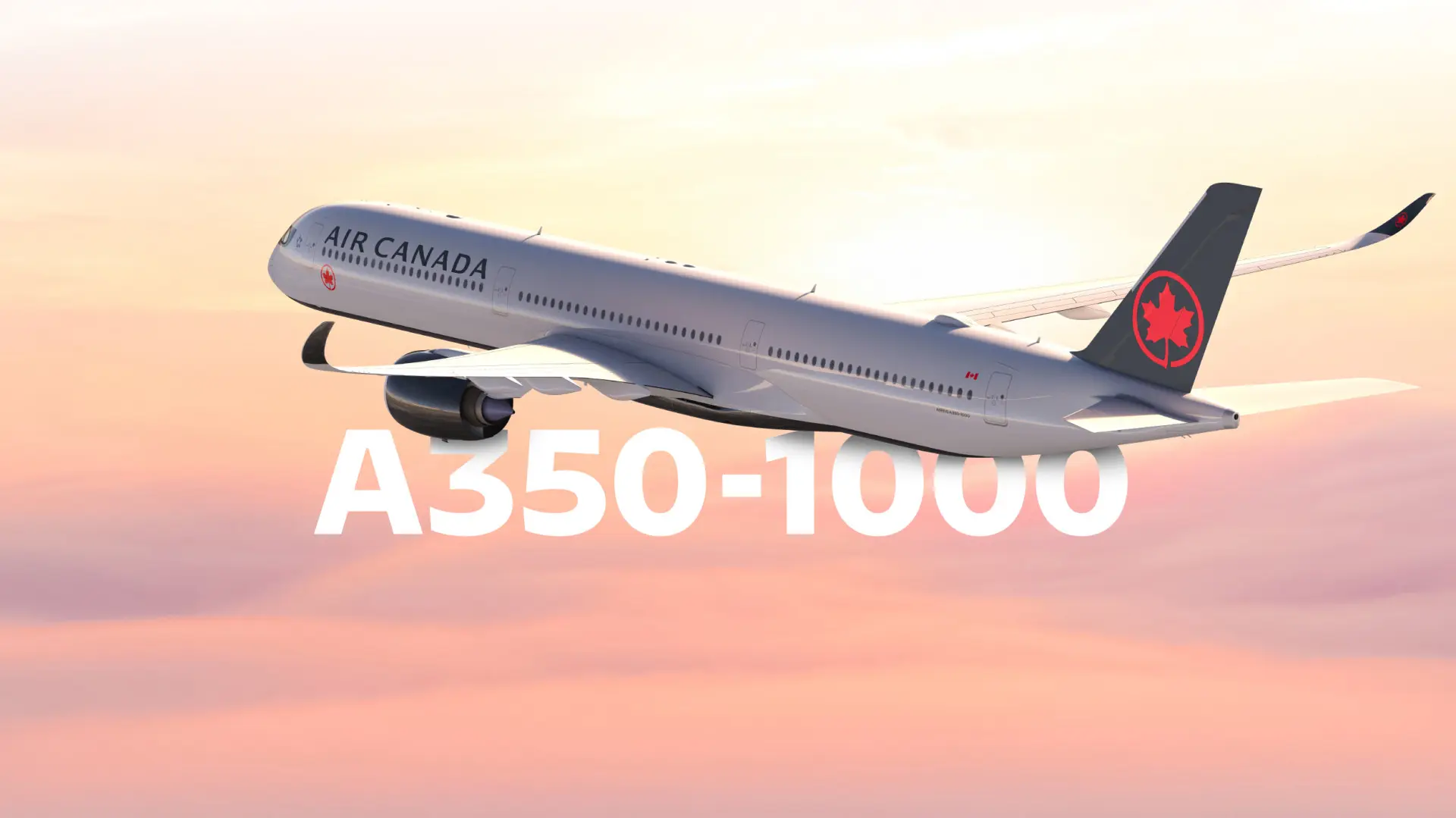
Air Canada has placed a decisive bet on the future of long-haul aviation with its firm order for eight Airbus A350-1000 aircraft, alongside options for eight more. Deliveries beginning in the second half of 2040 may seem distant, but in the world of widebody fleet planning—where production slots are scarce and lead times stretch across years—this is precisely how industry leaders secure competitive advantage. This order is not simply about adding capacity. It is about recalibrating network strategy, reshaping cost structures, and unlocking new global opportunities that were previously out of reach.
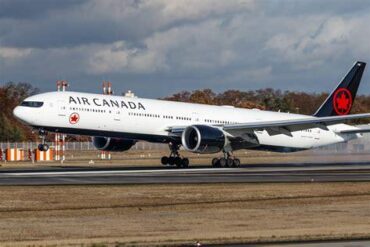
The A350-1000 brings together range, payload capability, premium cabin potential, and fuel efficiency in a way that aligns perfectly with Air Canada’s long-term vision. With aging Boeing 777-300ERs gradually approaching retirement and Boeing 787 variants unable to cover certain ultra-long-haul missions at optimal economics, the A350-1000 fills a strategic gap at the top end of the fleet. It is both a replacement and an expansion tool—an aircraft designed not merely to sustain existing routes, but to stretch the airline’s global footprint further than ever before.
Crucially, this order reflects confidence in sustained global demand growth—particularly in markets driven by diaspora traffic, premium leisure, and high-yield cargo. Air Canada is positioning itself not just to participate in that growth, but to shape it.
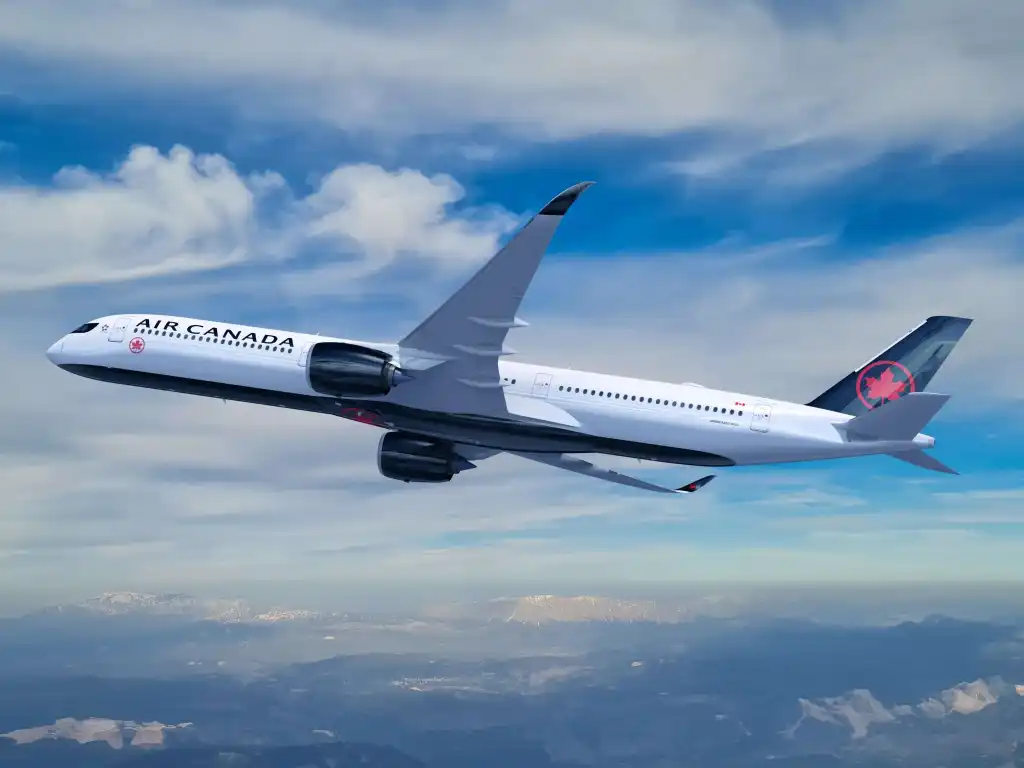
A Fleet Strategy Built for the 2040s
Widebody aircraft are long-term investments measured in decades, not quarters. Air Canada’s decision to secure A350-1000 slots now underscores the reality that strategic fleet planning requires anticipation of market conditions far beyond the immediate horizon.
The A350-1000 complements a carefully staggered expansion plan. Fourteen Boeing 787-10s are scheduled to enter service beginning in 2026, providing incremental growth on high-demand routes. Meanwhile, the incoming Airbus A321XLR fleet will allow the airline to open long-and-thin transatlantic markets with dramatically lower trip costs. Add to that ongoing deliveries of Canadian-built Airbus A220s and additional Boeing 737 MAX aircraft, and the picture becomes clear: Air Canada is engineering a balanced, multi-layered fleet optimized for flexibility.
The A350-1000 sits at the apex of this structure. It delivers a combination of range and seat capacity that no other aircraft in the airline’s portfolio can match. In practical terms, it allows Air Canada to deploy capacity exactly where demand and yield justify it—without compromising efficiency.
New Ultra-Long-Haul Routes Become Viable
The transformative power of the Airbus A350-1000 lies in its ability to profitably serve ultra-long-haul markets that were previously marginal or operationally constrained.
Destinations such as Mumbai from Toronto, expanded service to South Africa, or additional gateways in Australia move from aspiration to feasibility with this aircraft. These are routes that require not just range, but robust payload performance and strong cargo capability. The A350-1000’s advanced aerodynamics, Rolls-Royce Trent XWB engines, and composite airframe allow it to fly further while burning significantly less fuel per seat than previous-generation widebodies.
Ultra-long-haul flying is a delicate equation. Aircraft must balance fuel burn, passenger load, cargo weight, and seasonal fluctuations. The A350-1000 excels precisely because it maintains payload performance even on missions stretching close to 8,700 nautical miles. That capability opens strategic doors for Air Canada in high-growth diaspora markets across South Asia and East Asia, where demand is resilient and often premium-heavy.
This is not speculative expansion. It is calculated growth grounded in demographic reality. Toronto alone, with more than half its population born outside Canada, represents one of the most globally connected metropolitan areas in North America. Direct connectivity to homeland markets carries emotional weight—and consistent traffic flows.
Stronger Unit Economics and Lower Fuel Burn
Fuel remains one of the largest operating expenses for any airline. The A350-1000 delivers meaningful reductions in fuel burn per seat, driven by lightweight composite materials and next-generation engine technology. Compared to older 777-300ERs, the efficiency gains are substantial, translating into lower operating costs and improved margins.
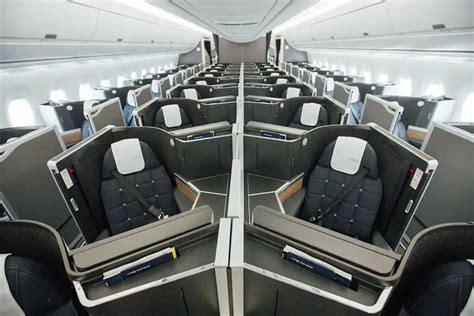
But the economics extend beyond fuel. The aircraft’s higher seat count spreads fixed trip costs—crew, landing fees, navigation charges—across more passengers. That lowers overall unit cost while preserving premium cabin revenue opportunities. Airlines typically configure the A350-1000 with expansive business class cabins and high-yield premium economy seating, capitalizing on long-haul demand for comfort and productivity.
Cargo performance is another pillar of the economic equation. On long-haul routes, belly cargo can materially enhance route profitability. The A350-1000’s payload capability enables strong freight yields, particularly on Asia-bound sectors where high-value goods and e-commerce traffic continue to surge.
Elevated Cabin Standards and Passenger Experience
Air Canada has confirmed that the A350-1000 will debut with its next-generation cabin standard, enhanced connectivity, and advanced in-flight entertainment systems. In an era where premium travel demand is rebounding faster than economy, the onboard product becomes a revenue engine rather than a mere amenity.
The A350 platform is already celebrated for its quiet cabin, higher humidity levels, and lower cabin altitude—features that mitigate fatigue on ultra-long-haul flights. On missions exceeding 15 hours, these physiological benefits become commercially significant. Passenger comfort influences booking decisions, especially in competitive transpacific and transatlantic markets.
Upgraded connectivity further strengthens Air Canada’s competitive positioning. Reliable high-speed internet transforms long-haul flights into productive workspaces, catering to corporate travelers and digital professionals alike. The aircraft becomes not just transportation, but an extension of the office and living room.
Hub Optimization: Toronto, Montreal, Vancouver
The A350-1000 also enhances Air Canada’s multi-hub strategy.
Toronto Pearson (YYZ) stands as the airline’s primary global gateway, strategically positioned between Asia, Europe, South America, and Africa. Its demographic diversity fuels strong origin-and-destination traffic, while its geography enables efficient connecting flows. Ultra-long-haul aircraft amplify Toronto’s ability to function as a global super-connector.
Montreal (YUL) will continue focusing on North Atlantic growth, supported by a strong corporate base and steady European demand. Meanwhile, Vancouver (YVR)—with some of the shortest great-circle distances from North America to Asia—remains a critical transpacific bridge. The A350-1000’s range and economics enhance the flexibility to shift capacity between hubs as market conditions evolve.
This geographic triangulation allows Air Canada to dynamically allocate aircraft where returns are strongest. Few carriers enjoy such diversified hub advantages within a single national market.
A Strategic Inflection Point for Air Canada
Fleet decisions of this magnitude signal more than operational updates—they represent strategic intent. By committing to the Airbus A350-1000, Air Canada is securing the capability to expand into ultra-long-haul markets with confidence, while simultaneously reducing unit costs and elevating passenger experience.
The order also positions the airline competitively against global network carriers deploying similar next-generation widebodies. As long-haul travel demand continues its structural rebound and diaspora markets expand, aircraft that combine range, efficiency, and premium appeal will define the winners of the next decade.
The A350-1000 is not merely an addition to Air Canada’s fleet. It is a lever for growth, a hedge against fuel volatility, and a catalyst for network evolution. With new routes on the horizon and stronger economics underpinning each flight, the airline is building a foundation that extends well beyond 2040—one ultra-long-haul sector at a time.