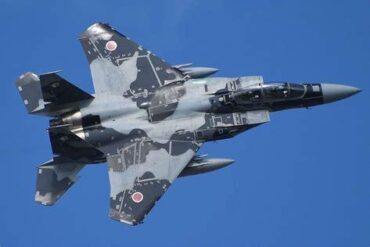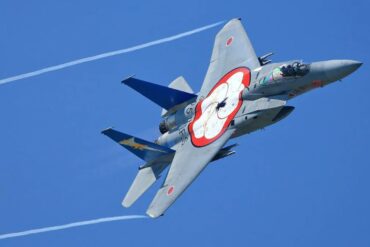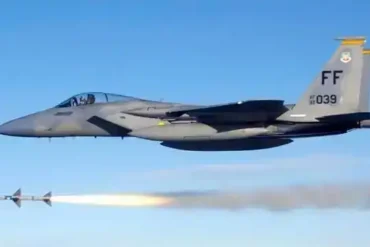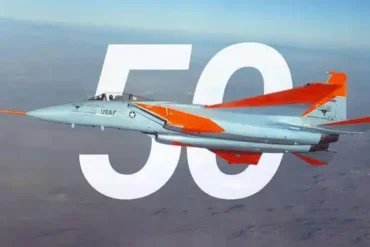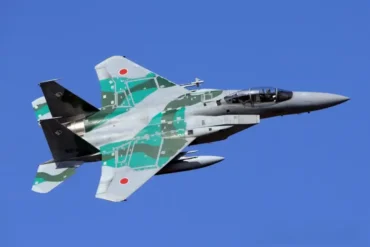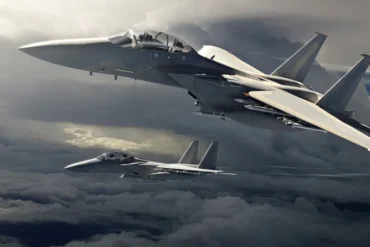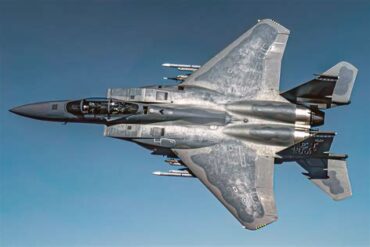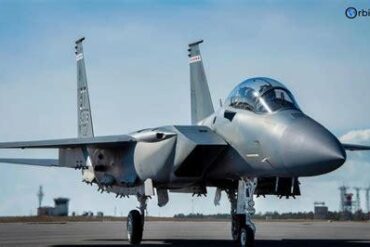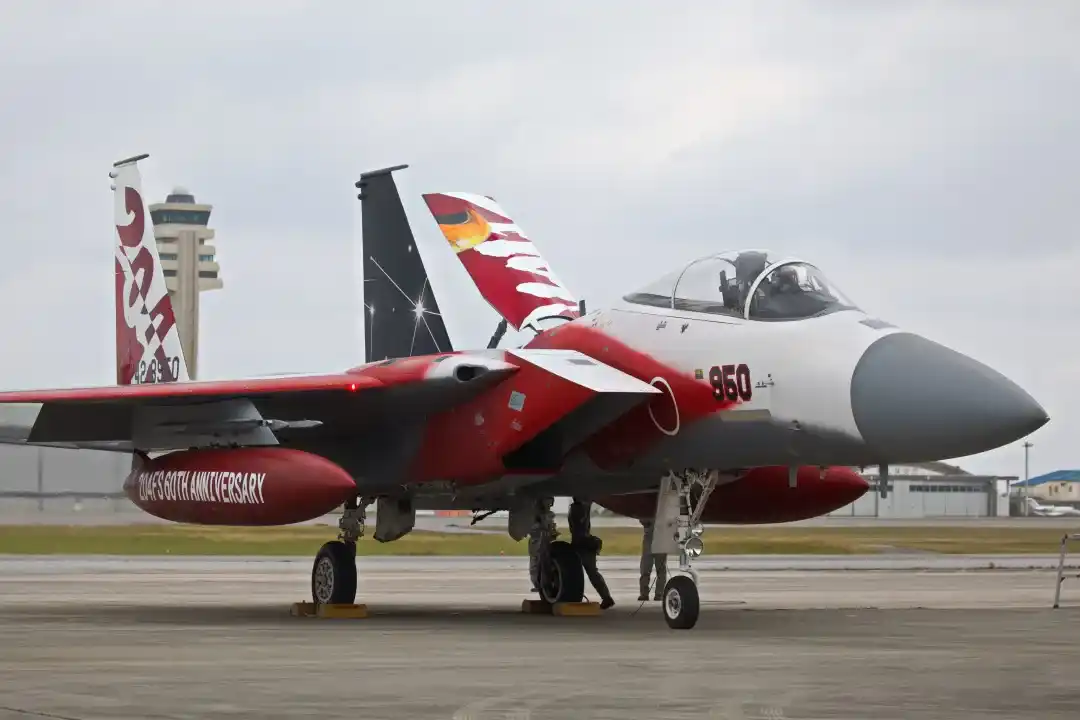
The F-15J Eagle serves as the backbone of Japan’s air defense strategy, embodying unparalleled air superiority. Originally derived from the American F-15C/D, the F-15J has undergone significant enhancements to meet the evolving threats in the Indo-Pacific region. As the primary air defense asset of the Japan Air Self-Defense Force (JASDF), its combination of advanced avionics, high-speed interception, and modernization programs ensures its operational relevance through 2040 and beyond.
Development and Production
Origins of the F-15J
Japan selected the F-15 in 1977 under the U.S.-backed Peace Eagle program, choosing it over the F-14 Tomcat and F-16 Fighting Falcon. The decision was influenced by the F-15’s superior acceleration, climb rate, and long-range interception capabilities, making it the ideal replacement for the aging F-4 Phantom and F-104 Starfighter fleets.
Licensed Production by Mitsubishi Heavy Industries
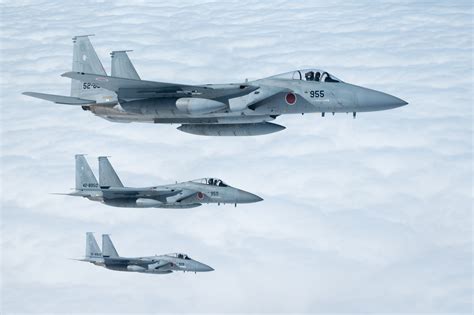
Initially, Japan imported F-15 components from the U.S., but Mitsubishi Heavy Industries (MHI) quickly took over licensed production in 1978. By 1999, Japan had produced 213 units:
- 165 F-15J single-seat fighters
- 48 F-15DJ twin-seat trainers
The initial unit cost was ¥7 billion in the late 1970s, escalating to ¥101.56 billion in the 1990s due to upgrades.
Technical Features
Design and Performance
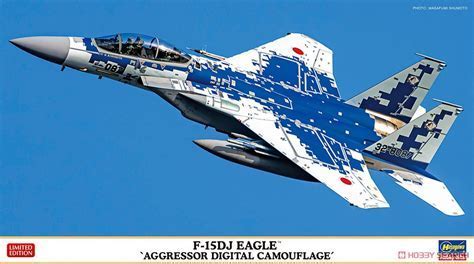
The F-15J Eagle retains the twin-engine air superiority design of the F-15C, utilizing Pratt & Whitney F100-IHI-220E engines. This enables a top speed of Mach 2.5 and an impressive combat radius of 1,900 km, ensuring effective long-range patrols and interception missions.
Avionics and Radar Enhancements
The F-15J’s avionics have seen major advancements over the years:
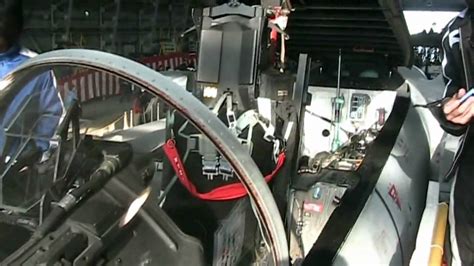
- Originally equipped with the AN/APG-63 radar, a highly capable system at its time.
- Modernized units feature the AN/APG-82(V)1 AESA radar, significantly increasing detection range (>200 km) and multi-target tracking.
- Integration of AN/ALQ-239 digital electronic warfare systems provides enhanced survivability in contested airspace.
- Link 16 datalink capability enables real-time networked warfare, improving situational awareness and interoperability with allied forces.
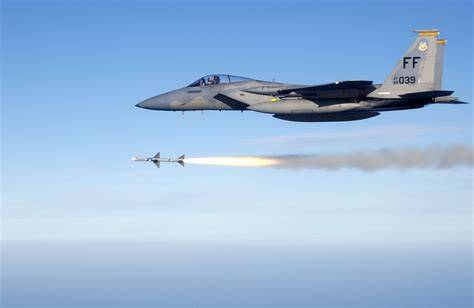
Weapons and Combat Capabilities
The F-15J’s armament has evolved to maintain superiority over regional threats:
- Air-to-air missiles:
- AAM-3 (short-range, high maneuverability)
- AAM-4B (active radar-guided, medium-range)
- AAM-5 (infrared-guided, close combat)
- Long-range strike capabilities:
- AGM-158B JASSM-ER (precision-guided air-to-ground strike missile)
- AGM-158C LRASM (anti-ship missile, extends Japan’s strike reach)
These improvements ensure the F-15J remains highly effective in both defensive and offensive roles.
Modernization Efforts
Japan Super Interceptor (JSI) Program
The JSI program, initiated in 2019, aims to modernize 98 F-15Js by 2030. This includes:
- AESA radar for multi-target tracking
- Upgraded mission computers
- Advanced electronic warfare countermeasures
- Integration of U.S.-developed long-range strike missiles
With these upgrades, the F-15J will be able to effectively counter evolving threats from China and Russia.
Operational Readiness and Training
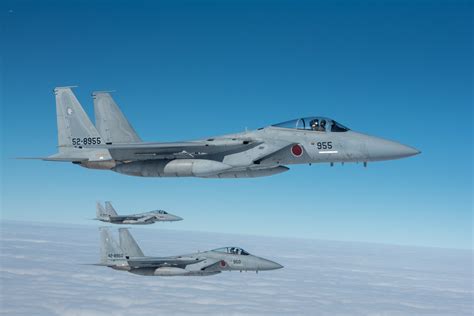
The F-15J fleet maintains a >90% operational readiness rate due to rigorous training and high maintenance standards. The JASDF conducts regular joint exercises with U.S. forces, enhancing combat interoperability with platforms like the F-22 Raptor and F-35 Lightning II.
Strategic Role in Japan’s Defense
Air Superiority and Interception
The F-15J Eagle plays a pivotal role in protecting Japanese airspace, particularly against frequent Chinese and Russian incursions near the Senkaku Islands and the East China Sea.
Deterrence Against China
The F-15J’s modernization signals Japan’s strategic shift from pure defense to deterrence, particularly against China’s A2/AD (Anti-Access/Area Denial) strategy. The integration of AGM-158 missiles (range >1,000 km) allows Japan to strike potential threats before they reach its borders.
Joint Operations and Interoperability
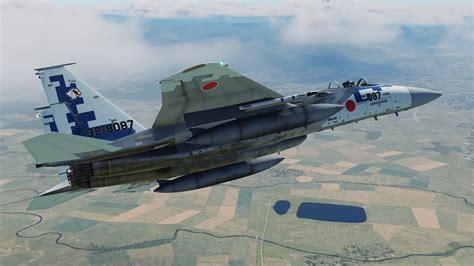
The F-15J regularly conducts joint drills with U.S. Air Force assets, enhancing its ability to function within a coalition force. Its ability to operate alongside F-35s and F-22s ensures that Japan remains technologically and strategically aligned with allied air forces.
Challenges and Future Prospects
Aging Fleet and Replacement Plans
Despite extensive upgrades, the F-15J fleet is aging, with the oldest aircraft exceeding 40 years. Japan is gradually introducing F-35s as replacements, but upgraded F-15Js will remain in service until at least 2040.
Evolving Regional Threats
China’s development of the J-20 stealth fighter and Russia’s deployment of Su-35s necessitate continuous upgrades to the F-15J’s avionics and weaponry to ensure continued effectiveness.
Conclusion
The F-15J Eagle, despite its origins in 1970s technology, remains Japan’s premier air superiority fighter through relentless modernization efforts. With cutting-edge radar systems, advanced weaponry, and networked combat capabilities, it continues to serve as a critical deterrent in Northeast Asia’s evolving security landscape.
FAQ
1. How many F-15J Eagles does Japan have?
Japan initially produced 213 F-15Js, but due to attrition and phase-outs, the current fleet consists of approximately 155 operational units.
2. What is the maximum speed of the F-15J?
The F-15J can reach speeds of Mach 2.5, making it one of the fastest air superiority fighters in the region.
3. How does the F-15J compare to the Chinese J-20?
While the J-20 features stealth technology, the F-15J’s upgraded radar and electronic warfare systems allow it to counter stealth threats effectively. The F-15J’s superior maneuverability and weapons integration still make it a formidable adversary in beyond-visual-range engagements.