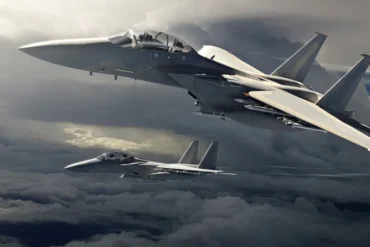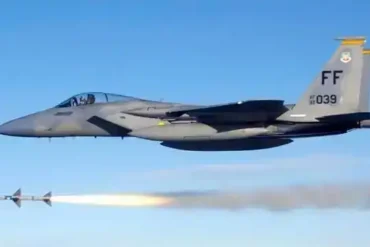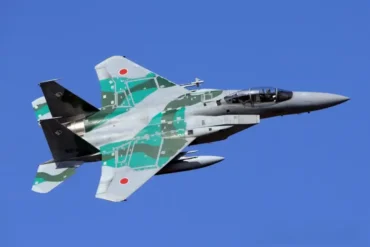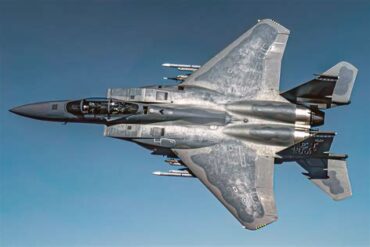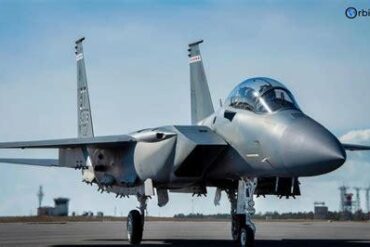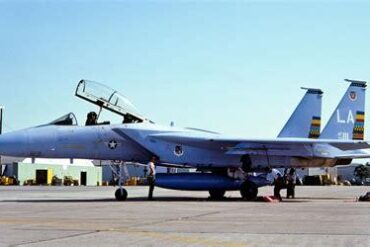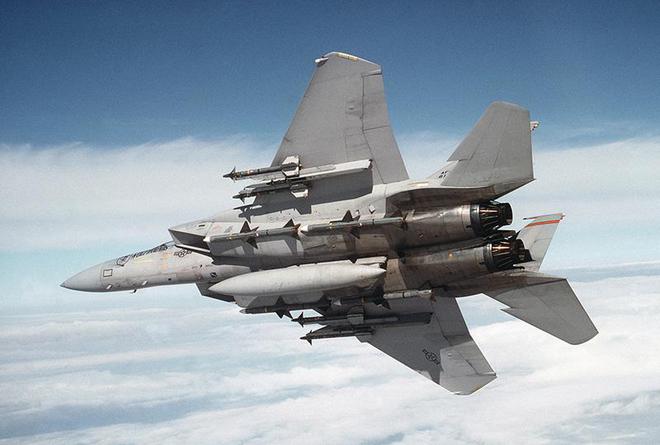
The F-15 Eagle, a dominant force in U.S. air superiority since the 1970s, is undergoing a systematic replacement strategy to ensure continued aerial dominance. With advancements in aerial warfare and emerging threats, the U.S. Air Force is phasing out older F-15 models and integrating cutting-edge fighter platforms, including the F-15EX “Eagle II”, the F-35 Lightning II, and the highly anticipated Next-Generation Air Dominance (NGAD) program. This article explores the replacement process, the aircraft involved, and the key challenges shaping the future of U.S. airpower.
Transition to the F-15EX “Eagle II”
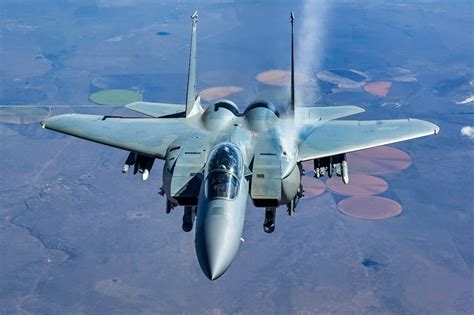
The F-15EX is the most immediate replacement for aging F-15C/D variants, offering modernized avionics, enhanced survivability, and expanded weapons capabilities. It ensures seamless integration with existing infrastructure while introducing next-generation capabilities.
Key Enhancements of the F-15EX
- Advanced Multirole Capability: Unlike its predecessors, the F-15EX is designed not only for air superiority but also for advanced electronic warfare, precision strikes, and hypersonic missile deployment.
- EPAWSS (Electronic Protection and Attack Warfare System): This sophisticated self-protection system enhances survivability against modern threats, particularly integrated air defense systems.
- Increased Payload Capacity: Capable of carrying up to 22 air-to-air missiles, the F-15EX surpasses most contemporary fighter jets in firepower.
- Enhanced Cockpit and Data Links: Improved digital interfaces, touchscreen displays, and real-time data sharing bolster its ability to function in networked warfare scenarios.
Procurement and Deployment
The U.S. Air Force has revised its initial procurement plans, now targeting 98 F-15EX units by 2025 instead of the originally planned 104 units. These fighters will primarily replace retiring F-15C/Ds, ensuring operational readiness while bridging the gap until the full deployment of next-generation systems.
Integration with the F-35 Lightning II
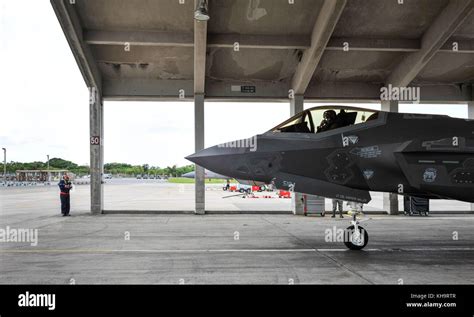
While the F-15EX serves as an advanced fourth-generation platform, the F-35A Lightning II is the cornerstone of fifth-generation airpower, offering stealth, sensor fusion, and cutting-edge network warfare capabilities.
F-35’s Role in Replacing the F-15
- Stealth and Survivability: Unlike the F-15 series, the F-35A features low-observable stealth technology, making it highly effective in contested environments.
- Multirole Capabilities: The F-35 excels in both air-to-air and air-to-ground missions, complementing the F-15EX’s firepower with next-generation sensor capabilities.
- Long-Term Procurement Strategy: The U.S. Air Force maintains a goal of 1,763 F-35A units, signifying a gradual transition toward a predominantly fifth-generation fleet.
Budget and Procurement Adjustments
In FY2025, the Air Force allocated funds for 42 new F-35As, aligning with its long-term modernization objectives. While procurement numbers fluctuate, the F-35 remains central to the Air Force’s strategic vision, progressively replacing older fighter jets.
Retirement of Legacy F-15s
Aging F-15C/D models are being phased out due to rising maintenance costs and operational limitations. The Air Force plans to retire 65 F-15C/Ds and 26 F-15Es in FY2025, a move projected to save over $2 billion annually.
Operational Challenges of the F-15C/D
- High Maintenance Costs: Older airframes require extensive upkeep, diverting funds from modernization efforts.
- Limited Survivability: Lacking stealth capabilities, legacy F-15s struggle in high-threat environments dominated by advanced surface-to-air missile (SAM) systems.
- Outdated Avionics and Sensors: Early F-15 models were optimized for semi-active radar missiles like the AIM-7, making them less effective in modern combat scenarios.
Next-Generation Air Dominance (NGAD)
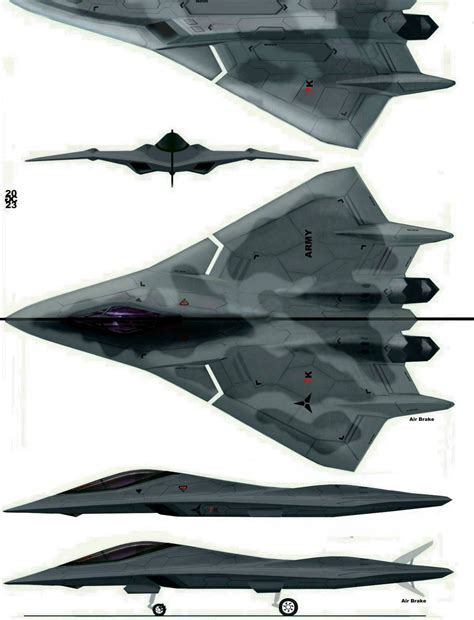
The NGAD program represents the future of U.S. air superiority, with the goal of replacing both the F-15 and the F-22 Raptor by the 2030s. This ambitious initiative aims to develop a sixth-generation fighter, equipped with state-of-the-art capabilities.
Key Features of NGAD
- Stealth Optimization: Advanced low-observable technologies to dominate contested airspace.
- AI-Driven Combat Systems: AI-assisted targeting, threat assessment, and mission automation.
- Unmanned Teaming: Seamless integration with autonomous drone wingmen, such as the Collaborative Combat Aircraft (CCA).
- Superior Sensor Fusion: Networked data-sharing to enhance battlefield awareness and decision-making.
Projected Timeline
- Late 2020s: Prototype testing and limited production.
- Early 2030s: NGAD begins replacing F-22 Raptors and remaining F-15s.
- 2035 and Beyond: Full-scale deployment as the backbone of U.S. air dominance.
International Replacements and Upgrades
Allied nations operating F-15 variants are also transitioning to newer platforms, either by acquiring modern aircraft or upgrading existing fleets.
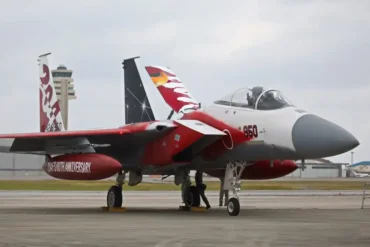
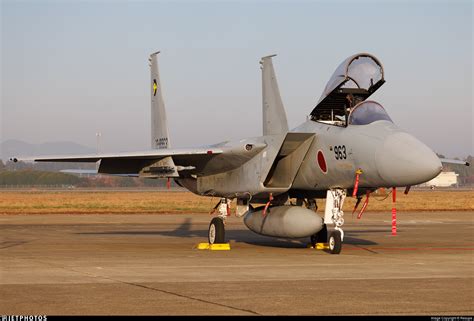
- Japan: Collaborating with the UK on the F-X sixth-generation fighter, set to replace F-15J aircraft by the 2030s.
- South Korea and Saudi Arabia: Expanding F-35A acquisitions while upgrading F-15K and F-15SA models with next-gen avionics and radar systems.
- Israel: Enhancing F-15I Ra’am capabilities while maintaining a strong F-35 fleet.
Challenges in the Transition Process
Despite the strategic benefits of modernizing the U.S. fighter fleet, several challenges must be addressed:
- Balancing Cost and Capability: The Air Force must carefully allocate funds between F-15EX upgrades, F-35 procurement, and NGAD development.
- Operational Gaps: The F-15EX lacks stealth, making it vulnerable in highly contested environments where the F-35 and NGAD excel.
- Production and Delivery Delays: Defense budget adjustments and supply chain issues could impact procurement schedules.
Conclusion
The F-15 replacement strategy is a comprehensive effort that incorporates short-term modernization, fifth-generation capabilities, and next-generation advancements. The F-15EX ensures immediate operational effectiveness, the F-35A strengthens stealth-based dominance, and NGAD secures the future of U.S. air superiority. While the F-15 legacy continues, the transition toward an AI-enhanced, stealth-dominant air force is inevitable, shaping the next era of aerial combat.
Frequently Asked Questions (FAQ)
1. Why is the F-15 being replaced?
The F-15C/D models are being retired due to rising maintenance costs, outdated technology, and reduced survivability in modern air combat environments.
2. How does the F-15EX compare to the F-35?
The F-15EX offers high payload capacity, advanced avionics, and electronic warfare capabilities, but lacks stealth technology. The F-35 excels in contested environments due to its stealth, sensor fusion, and advanced targeting systems.
3. When will NGAD replace the F-15?
The NGAD program is expected to begin production in the late 2020s, with full deployment anticipated by the early 2030s, eventually replacing both the F-15 and the F-22.