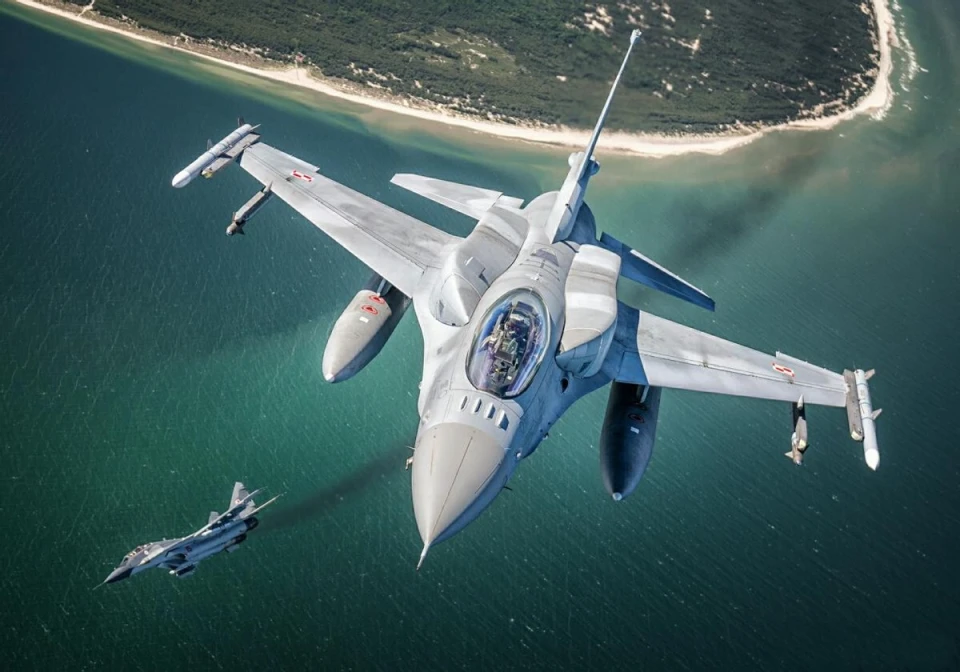
The replacement of the F-16 Fighting Falcon is a complex process driven by technological advancements, cost constraints, and strategic military needs. The United States Air Force (USAF) and allied nations are pursuing a combination of next-generation fighters, mid-life upgrades, and alternative solutions to phase out the F-16 while maintaining air superiority.
The U.S. Air Force’s Transition to the F-35A
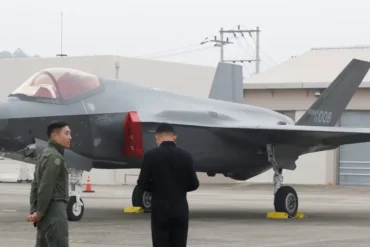
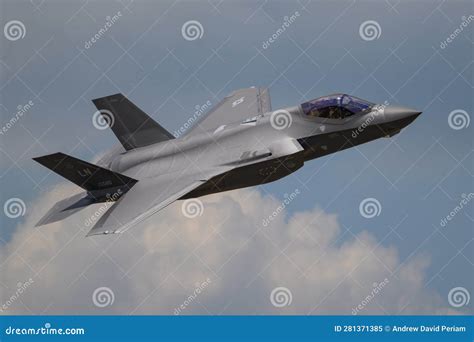
The USAF has designated the F-35A Lightning II as the primary replacement for the F-16, offering fifth-generation stealth capabilities, advanced sensors, and seamless interoperability with platforms like the F-22 Raptor. However, several challenges complicate a full-scale transition:
- High Cost: The F-35 program consumes nearly 30% of the USAF budget, making a one-to-one replacement of over 1,200 F-16s financially infeasible.
- Production and Delivery Issues: The scalability of F-35 production remains a hurdle, leading to discussions about a hybrid fleet approach.
- Hybrid Fighter Development: While the USAF has explored a new fourth/fifth-generation hybrid fighter to bridge the gap, the focus on F-35 procurement has slowed its progress.
F-16 Modernization: Extending Service Life Until 2040+
Given the budgetary and logistical constraints of an immediate F-35 transition, the USAF and allied nations are investing heavily in F-16 modernization programs to ensure viability in modern combat environments.
PoBIT Upgrade Program
The Post-Block Integration Team (PoBIT) initiative is the largest F-16 upgrade program, covering 608 aircraft with:
- AN/APG-83 AESA Radar: Enhancing target acquisition and electronic warfare (EW) resistance.
- Link 16 Data Links: Improving networked warfare capabilities.
- Next-Generation Electronic Warfare (EW) Systems: Upgrading self-protection measures against modern threats.
- Advanced Cockpit Modernization: Increasing pilot situational awareness and survivability.
F-16V (Block 70/72) Upgrades
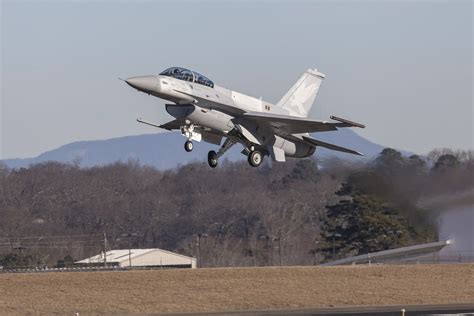
The F-16V variant, also known as Block 70/72, is a significant modernization effort adopted by multiple nations, including Greece and Taiwan. Key enhancements include:
- AN/APG-83 AESA radar for greater situational awareness.
- Improved electronic warfare suites for enhanced threat mitigation.
- Compatibility with fifth-generation networks, ensuring interoperability with F-35s and other advanced platforms.
IVEWS (AN/ALQ-257) and Future-Proofing
The Integrated Viper Electronic Warfare Suite (IVEWS), successfully tested in 2024, is another critical component of the F-16’s service life extension strategy. It ensures F-16s remain relevant by:
- Countering advanced radar-guided threats.
- Providing superior situational awareness and self-protection.
- Enhancing survivability in contested airspace.
Global F-16 Replacement Strategies
F-16 operators worldwide are pursuing diverse strategies to replace or supplement their fleets based on political alignment, industrial ambitions, and financial constraints.
F-35A Adoption for Close U.S. Allies
Several NATO members, including the Netherlands and Denmark, have opted for the F-35A to replace their aging F-16s, ensuring compatibility with U.S. and allied air forces.
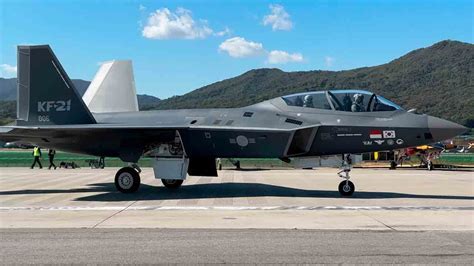
South Korea’s KF-21 “Boramae”
The KF-21 Boramae, developed by South Korea’s Korea Aerospace Industries (KAI), represents a cost-effective 4.5-generation fighter solution with:
- Partial stealth capabilities.
- Indigenous technological advancements.
- Potential for regional exports, with Indonesia and Poland showing interest.
China’s J-10C as an Alternative
For nations distancing from U.S. influence, such as Pakistan and Egypt, the J-10C fighter has emerged as a viable alternative, offering comparable performance to upgraded F-16s while remaining free from U.S. export restrictions.
Continued F-16 Block 70/72 Purchases
Some countries, like Bulgaria and Slovakia, continue to procure new F-16 Block 70/72 jets, citing:
- Lower transition costs due to existing pilot training programs.
- Operational familiarity with the F-16 platform.
- Interoperability within NATO and allied frameworks.
Challenges in Replacing the F-16
Budgetary Constraints
The F-35 program’s immense financial burden limits investment in alternative solutions, leading to a slower-than-expected transition.
Political Barriers to Replacement
U.S. export controls and geopolitical tensions influence which nations can access advanced fighter technology. For example:
- Turkey’s removal from the F-35 program over S-400 defense system procurement forced it to seek alternative options.
- European nations are exploring indigenous development (e.g., France’s Rafale or the UK’s Tempest fighter).
Industrial and Production Challenges
Developing a new-generation fighter like the KF-21 or the European Future Combat Air System (FCAS) takes decades and requires substantial financial commitment. As a result, many countries opt for interim upgrades rather than committing to a brand-new platform.
Future Outlook: The Next Era of Air Superiority
The fragmentation of F-16 replacements suggests a multi-layered approach to future air dominance:
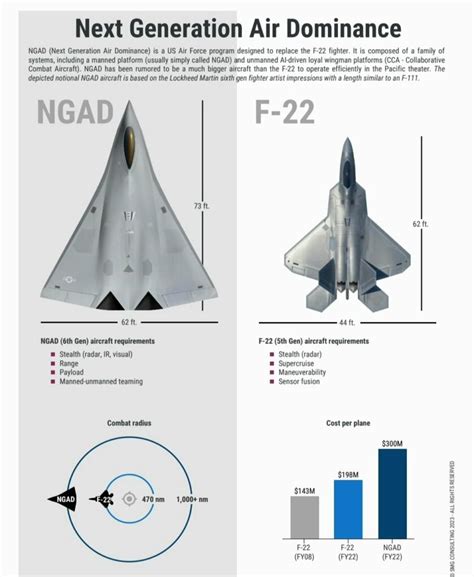
- The USAF will depend on F-35A and Next-Gen Air Dominance (NGAD) fighters for high-end threats.
- Upgraded F-16s will continue to serve in secondary roles until the 2040s.
- Allied nations will select F-35s, KF-21s, or regional alternatives based on cost-effectiveness, political ties, and industrial interests.
- Emerging autonomous technologies, such as loyal wingmen, could supplement aging F-16 fleets, reducing reliance on manned platforms.
Frequently Asked Questions (FAQ)
1. Why can’t the USAF replace all F-16s with F-35s immediately?
The primary challenge is budgetary constraints, as the F-35 program is costly and requires extensive infrastructure changes. Additionally, scaling production to replace over 1,200 F-16s is impractical in the short term.
2. Will the F-16 continue to serve beyond 2040?
Yes. With modernization programs like PoBIT and the F-16V upgrade, the F-16 is expected to remain operational well into the 2040s, particularly for non-stealth missions.
3. What are the best alternatives to the F-16 for allied nations?
The best alternatives depend on cost, political considerations, and operational needs. The F-35A is the primary successor, but nations like South Korea’s KF-21 and China’s J-10C offer alternative solutions for different geopolitical contexts.
The replacement of the F-16 is a gradual, multi-faceted process shaped by technology, finance, and strategic interests. While the F-35 dominates as the next-generation fighter, a hybrid approach involving upgrades and alternative platforms will define global airpower for the coming decades.