The Middle East, known for its striking terrain and historical significance, continues to serve as a vital link in the world’s air travel network. However, the region’s long-standing volatility has resurfaced with renewed urgency, as escalating tensions between key regional powers raise alarms across multiple sectors. For the aviation industry in particular, the unfolding confrontation between Israel and Iran is triggering immediate evaluations of airspace safety and operational routes that bridge Europe, Asia, and Africa. As instability threatens the safety and accessibility of flight corridors, airlines are taking swift measures to reroute aircraft, ensure passenger safety, and manage rising operational costs. This unfolding situation holds significant implications for airline networks, fuel economics, and traveler confidence worldwide.
Airspace Tensions and the Imperative of Safety
Global aviation has long operated with a zero-tolerance stance on flying over areas of active military conflict. Past tragedies serve as sobering reminders. From the downing of Iran Air Flight 655 in 1988 to the loss of Malaysian Airlines Flight MH17 over Ukraine in 2014, civil aviation and conflict have proven to be a dangerous mix. Today, major carriers are once again facing decisions about whether to traverse volatile zones. The International Civil Aviation Organization (ICAO) mandates that all airlines maintain comprehensive Safety Management Systems (SMS), with a core function being safety risk management. This includes identifying hazards, analyzing potential threats, and developing strategies to mitigate them. In response to the recent escalation, many airlines have intensified their risk assessments and implemented rapid changes to flight operations.
Flight Path Rerouting in Real Time
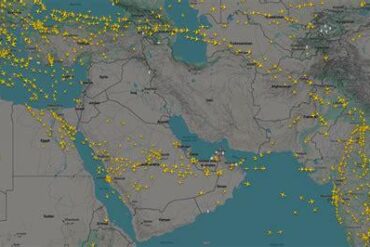
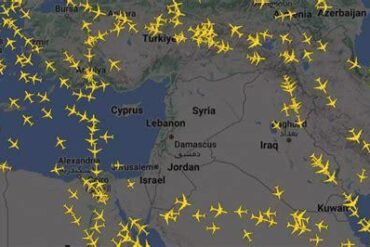
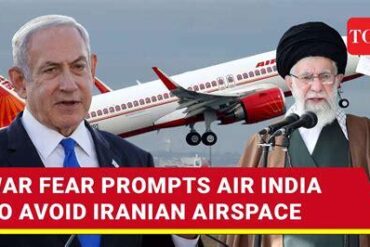
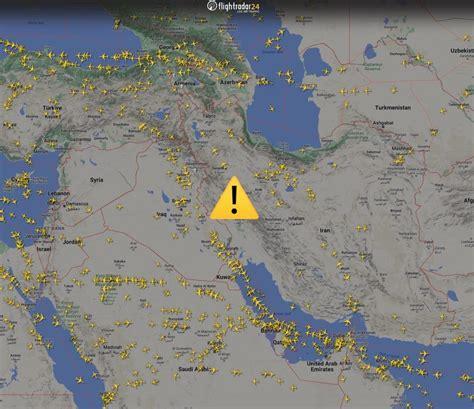
As military tensions rise, changes in air traffic patterns have become evident. Aircraft previously flying direct routes over countries such as Iran, Syria, Iraq, and Israel are now being diverted. Real-time flight tracking platforms reveal substantial gaps in traffic over these regions. Instead, aircraft are being funneled through alternative corridors, often longer and more congested. This rerouting creates additional stress on neighboring airspaces and demands more from air traffic control systems. Areas like the eastern Mediterranean, southern Arabian Peninsula, and Central Asia are seeing increased flight volumes. These shifts require heightened coordination between pilots and controllers and can strain infrastructure not originally intended to manage such dense traffic.
Operational Costs Climb as Routes Lengthen
The effects of extended flight paths go far beyond simple logistical adjustments. Detouring around conflict zones increases fuel consumption, flight time, and crew working hours. These factors raise overall operational costs for airlines already navigating a volatile economic environment. While tickets already purchased will remain unaffected, continued instability could lead to higher fares for future bookings. Airlines rely heavily on Jet-A1 fuel, a petroleum-based product. If regional conflict disrupts oil flow through the Strait of Hormuz — a narrow maritime passage through which nearly one-fifth of global oil supply passes — fuel prices could spike significantly. Even the mere possibility of a shutdown can trigger swift reactions across global markets. If fuel prices rise, airlines may be forced to pass these increases on to travelers in the form of fare hikes.
Impact on Regional Aviation Hubs
Urban centers such as Dubai, Doha, and Abu Dhabi have emerged as critical pillars of international air travel, acting as key transit points that connect continents. They enable seamless connections for millions of travelers crossing continents each year. Carriers based in the Gulf — such as Emirates, Qatar Airways, and Etihad Airways — depend on regional stability to maintain efficient operations and uphold their reputations for safety and reliability. Prolonged conflict could jeopardize these hubs’ ability to function as smoothly as before. Airlines operating out of the Middle East may encounter elevated insurance premiums due to heightened risk. These additional costs will likely trickle down to passengers, potentially reducing the region’s competitiveness as a preferred transit route.
Travel Advisories and Shifting Passenger Sentiment
Governments around the world are closely monitoring the situation, with some issuing travel advisories for parts of the Middle East. While such advisories are intended to protect travelers, they also influence consumer behavior. Fear, uncertainty, and confusion can erode traveler confidence, resulting in reduced bookings for flights to, from, or transiting through the region. This decline in demand could disrupt the recovery trajectory airlines have worked so hard to achieve in the post-pandemic era. Just as international air travel was beginning to exceed pre-2020 levels, escalating regional tensions now risk undermining that hard-won recovery. Should the situation persist, it may lead to stalled growth, reduced revenues, and the postponement of planned route expansions or fleet investments.
Balancing Security, Stability, and Service
Despite the challenges, commercial aviation continues to prioritize passenger safety above all else. The industry is well-versed in managing complex risks, and its safety protocols are among the most rigorous in the world. Airlines are constantly adapting — leveraging technology, enhancing route intelligence, and coordinating with international aviation authorities to maintain security. The resilience of the aviation sector lies in its ability to remain flexible, proactive, and transparent. As geopolitical tensions evolve, so too will airline strategies aimed at protecting travelers and upholding confidence in flying. The current conflict in the Middle East highlights the intricate relationship between geopolitics and aviation. For global airlines, the path forward involves careful planning, strategic rerouting, and close coordination with airspace authorities. While rerouted flights and higher fuel prices may pose financial and logistical burdens, the commitment to passenger safety remains unwavering. As the situation unfolds, travelers are advised to stay informed, monitor travel advisories, and plan accordingly. For now, the world watches with concern — and the skies remain under vigilant scrutiny.