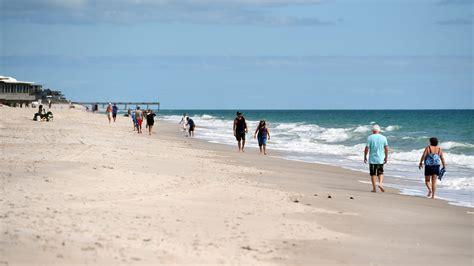
Indian River County has long been celebrated as a vibrant tourist destination, and 2025 is shaping up to be another banner year for the sector. With visitors pouring into the area, spending over $90 million on overnight accommodations alone, the county is witnessing a remarkable surge in bed tax revenue—an essential economic driver. This growth paints a promising picture for a region where tourism constitutes a significant portion of economic activity. However, the horizon may not be as clear as it seems, as recent legislative proposals threaten to reshape how the county funds its tourism initiatives and allocates bed tax revenues. In this article, we will explore the ongoing tourism boom in Indian River County, the innovative marketing strategies being employed to keep pace with evolving trends, and the potential ramifications of Florida’s proposed changes to the tourism funding model.
The Economic Impact of Tourism in Indian River County
Tourism is undeniably a cornerstone of Indian River County’s economy, and current statistics underscore its importance. In 2023, tourism expenditures in the county totaled more than $90 million just for accommodations, resulting in an impressive $4.67 million in bed tax revenue for the local government. This revenue is crucial for funding tourism infrastructure and services that keep the county competitive in attracting visitors. What’s even more encouraging is that early figures for 2025 indicate a substantial upward trend. From October 2024 to March 2025, bed tax revenue experienced a striking 17.2 percent increase, leaping from $2.8 million to approximately $3.3 million. March alone saw visitors spending $16.4 million on accommodations, generating $818,000 in bed tax revenue—a 22 percent increase compared to the same month the previous year.
This data highlights the sustained appeal of Indian River County, as it attracts a diverse array of visitors seeking experiences ranging from scenic nature excursions to relaxing beach getaways. The statistics are not merely numbers; they reflect the thriving tourism ecosystem that benefits local businesses, creates jobs, and supports community initiatives.

Increased Investment in Tourism Development
The impressive performance of the tourism sector has prompted local government officials to take notice. In response to rising revenues, the County Commission approved a 22 percent increase in the budget for the Tourist Development Council (TDC). On June 3, 2025, the commission allocated $1.95 million to the TDC’s budget—a significant boost that underscores the growing importance of tourism to the county’s economic landscape. This additional funding will be distributed to various local organizations dedicated to promoting and supporting tourism-related activities throughout the region.
One notable allocation includes a first-time payment of $10,000 to the Vero Beach Art Club for its Under the Oaks Art Show. This popular event draws thousands of visitors each year to the barrier island, which serves as a primary source of tourism revenue for the county. This strategic funding is expected to enhance the event’s visibility and outreach, further solidifying its status as a key feature of the county’s cultural and tourism offerings.
Adapting Marketing Strategies for a New Generation of Travelers
As the tourism landscape evolves, so too must the marketing strategies employed by the county. According to Ben Earman, Vice President of Tourism and Marketing at the Indian River Chamber of Commerce, today’s travelers are increasingly seeking personalized, experience-driven vacations. Popular activities such as air boating, river exploration, nature trails, birdwatching, and beachgoing have grown in popularity, necessitating a shift in how local organizations market these attractions.
To effectively engage this new audience, Visit Indian River County, the county’s tourism marketing department, is expanding its digital presence across multiple platforms. This includes leveraging streaming services, digital billboards, gas station TVs, and hotel networks to connect with travelers through the mediums they frequent. These marketing investments are a response to broader shifts in media consumption and demographic trends, highlighting the need for tourism promotion to adapt in real time.
Strategic Budget Allocations by the Tourist Development Council
The bulk of the TDC’s budget, totaling $1.2 million, will be directed toward the Indian River County Chamber of Commerce, which oversees Visit Indian River County. This funding supports various tourism and marketing initiatives across the region, ensuring that the county can continue to attract visitors while maintaining its reputation as a desirable destination. The Chamber plays a pivotal role in coordinating tourism efforts, and this financial boost is integral to expanding promotional activities.
Other significant allocations include:
- $28,730 for the Sebastian River Area Chamber of Commerce: A 14.5 percent increase from previous allocations, supporting tourism in the increasingly popular Sebastian area.
- $55,000 for the Cultural Council of Indian River County: A 47.5 percent increase that reflects the county’s commitment to enriching the local tourism experience through cultural events.
- $33,200 for Vero Heritage: An 8.5 percent increase aimed at funding historical preservation and heritage tourism initiatives.
- $20,000 for Coastal Connections: An eco-tourism organization receiving an 81.8 percent funding increase to support its mission of beach cleanups and sea turtle nesting monitoring, vital for environmental sustainability.
These allocations illustrate a comprehensive approach to enhancing tourism in Indian River County, reinforcing the idea that a well-funded tourism sector not only benefits visitors but also enriches the lives of residents.
The Role of Bed Tax Revenue in County Projects
Beyond supporting tourism promotion, bed tax revenue plays a crucial role in funding essential projects within the county. Notably, it contributes to beach renourishment projects, ensuring that Indian River County’s beautiful beaches remain pristine and attractive to visitors. Maintaining these natural attractions is paramount for sustaining the county’s allure as a premier beach destination. Additionally, the revenue helps fulfill lease obligations for the Jackie Robinson Training Complex, home to the county’s spring training facility. Although not directly tied to tourism, this infrastructure enhances the overall appeal of the area to visitors.
Challenges Ahead: Proposed Legislative Changes
While the tourism industry in Indian River County is flourishing, the future of its current funding system faces potential upheaval. On April 25, 2024, lawmakers in the Florida House of Representatives passed HB 7033, a bill that proposes abolishing all 62 county Tourist Development Councils (TDCs) and redirecting bed tax dollars toward property tax credits. This proposal has ignited considerable concern within the Florida tourism sector, as the argument posits that established tourist attractions do not require further advertising support.
If enacted, HB 7033 could significantly alter the allocation of bed tax revenue, shifting funds away from local tourism promotion efforts. This bill is currently under review by the Senate Appropriations Committee, and its implications could reshape the tourism landscape in Florida, which generated an astounding $127.7 billion in economic impact in 2023 according to Visit Florida.
Another bill, HB 1211, proposed that all tourist development taxes would expire every eight years. Although withdrawn from consideration on May 3, its introduction signals a willingness among lawmakers to reconsider the funding models for tourism promotion in the state.
Potential Consequences of Legislative Changes on Tourism
Should these legislative changes come to fruition, Indian River County may struggle to maintain its current level of funding for tourism marketing and infrastructure. The elimination of Tourist Development Councils would mean less financial support for advertising and promotional efforts, potentially stifling the growth that has characterized the county’s tourism sector. Nevertheless, despite this uncertainty, local organizations have demonstrated remarkable resilience, with tourism revenue continuing to rise.
Adaptation remains key. As demographic preferences shift and new marketing strategies are implemented, Indian River County’s tourism sector is positioning itself for sustained success, even amid potential challenges to the funding model. Local officials and tourism advocates are likely to continue lobbying for the retention of bed tax funding, emphasizing the critical role it plays in keeping local businesses thriving and attracting visitors to the region.
A Bright Future Despite Uncertainty
In conclusion, Indian River County’s tourism industry is experiencing a robust period of growth, marked by significant increases in both bed tax revenue and visitor spending. The County Commission’s decision to allocate additional funding to tourism organizations underscores its commitment to maintaining the county’s status as a top travel destination. As the county navigates changing marketing strategies and invests in critical infrastructure, the outlook for the tourism sector remains hopeful. However, the proposed legislative changes pose a potential challenge, threatening to redirect bed tax revenue away from vital tourism promotion efforts.
As this situation evolves, it will be crucial for the tourism sector in Indian River County to remain agile and proactive in securing the necessary funding to support its continued growth. The fate of the tourism industry may hinge on the outcomes of these legislative proposals, but with strong local leadership and an innovative approach to marketing, the county is poised to thrive as a sought-after destination for visitors.