As April 2025 unfolds, a disturbing trend has emerged across several key U.S. tourist destinations, with Collier County joining a growing list of regions experiencing a significant downturn in visitor numbers, hotel stays, and border crossings. This decline is not merely a localized phenomenon; it reflects broader economic challenges affecting popular vacation spots from Florida’s coastal havens to Colorado’s picturesque mountain retreats. The overall picture painted by recent tourism statistics reveals an unsettling reality for areas that typically thrive during the spring season.
In Collier County, which encompasses sought-after locales like Naples and Marco Island, the statistics are alarming. In April alone, the county recorded a visitor count of 227,200, marking a 5.3% year-over-year decrease. This drop represents the third consecutive month of declining visitor numbers, raising serious concerns among local hospitality leaders. The financial impact has been severe: visitor spending plummeted nearly 8%, falling to about $257.6 million, down from over $279 million in April of the previous year. With hotel occupancy dipping to 66.1% and the average daily rate sliding by over 4%, the repercussions of this downturn are rippling through the local economy. A particularly worrying statistic is the 10.3% drop in revenue per available room (RevPAR), indicating that hoteliers are struggling to maintain profitability amidst these declines. The loss of international arrivals, notably from Canada and the UK, further exacerbates the situation, contributing to a strained tourism-dependent economy.
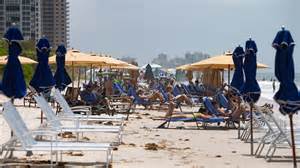
To the north, Okaloosa County, home to iconic beach towns like Destin and Fort Walton Beach, is feeling the pinch as well. Although specific visitor numbers weren’t disclosed, officials report an approximate 5% drop in overall tourism metrics, which includes hotel bookings and vacation rental occupancy. Local businesses across the Emerald Coast are beginning to feel the effects of this slowdown, prompting regional leaders to reassess tourism tax allocations and marketing strategies to lure back visitors.
Meanwhile, Sonoma County in California, renowned for its stunning wineries and rolling vineyards, is not immune to the slump. April’s hotel performance data indicates a subtle yet notable decline, with a 0.3% dip in occupancy rates, alongside a 1.7% fall in the average daily rate and a nearly 2% decrease in RevPAR. Although these figures may seem modest compared to other regions, they signal a concerning trend for an area that typically flourishes during the spring travel season. Local tourism boards attribute this softening demand to high airfare costs and the travel budget constraints felt by both domestic and international travelers.
In the heart of the Colorado Rockies, Pitkin County, known for its luxurious destinations like Aspen, has also reported declines. Hotel occupancy dropped by 1.3% in comparison to April 2024, while the booking pace has slowed, with forward-looking data indicating a 3.2% decrease. For a region that heavily relies on affluent travelers and outdoor enthusiasts, this cooling trend raises alarms ahead of the critical summer season. To combat the downturn, many resorts and high-end lodges are offering last-minute discounts to stabilize demand, yet early indicators suggest a challenging quarter ahead for the local tourism economy.
On the eastern front, Buncombe County in North Carolina, home to the vibrant city of Asheville and the stunning Blue Ridge Mountains, is witnessing a similar downturn. In April, vacation rentals saw a 6% drop, and overall room-night demand has decreased by 6% year-to-date. While Asheville remains a popular destination for road trippers and nature lovers, occupancy levels have plateaued, and spending has fallen short of projections. Local analysts are monitoring the situation closely, especially given Asheville’s reliance on seasonal festivals and culinary tourism, which are vital for driving revenue during spring and summer.
Further north, Washington County, Maine, located along the U.S.-Canada border, is grappling with a dramatic decrease in cross-border travel. In April, Canadian crossings into towns like Calais and Houlton plummeted by an astonishing 38%. This decline has severely impacted local bed-and-breakfasts, motels, and small businesses, many of which depend on a steady influx of Canadian tourists during shoulder seasons. The sharp drop in international traffic has prompted some local leaders to advocate for a federal reassessment of border procedures and enhanced tourism outreach efforts directed at potential visitors from Canada.
The collective experience of Collier County, Okaloosa, Sonoma, Pitkin, Buncombe, and Washington highlights a troubling national pattern. Rising travel costs, evolving consumer preferences, erratic weather patterns, and a sluggish recovery in international tourism are converging to create a perfect storm for destination markets across the United States. As various counties respond with increased marketing initiatives, others brace for what could be a challenging summer season ahead.
What’s evident is that April 2025 was not just a temporary setback; it represents a significant turning point in the tourism landscape. The initial downturn that began in certain parts of Florida has now sent shockwaves through mountain towns, wine valleys, beach destinations, and border regions alike. If these negative trends persist into May and beyond, local economies may face even steeper hurdles in the upcoming quarters. The reliance on tourism as a primary economic driver necessitates immediate attention and action from local leaders, stakeholders, and policymakers to navigate these uncertain waters and restore visitor confidence in these cherished destinations.