Across the dazzling skylines of New York City, San Francisco, Las Vegas, Los Angeles, Chicago, and Boston, summer 2025 has delivered an unexpected tourism downturn. Hotel lobbies that once buzzed with global chatter now stand unusually quiet, as Canadian travelers—long a pillar of U.S. inbound tourism—rethink their summer getaways. High costs, diplomatic tensions, and evolving traveler preferences have combined to reshape travel patterns, leaving city officials racing to understand the causes and craft compelling recovery strategies.
A National Tourism Contraction with Deep Economic Consequences
In 2024, international visitors injected approximately $181 billion into the U.S. economy. Projections now indicate a drop to under $169 billion in 2025, a decline exceeding $12 billion year‑over‑year. Arrivals fell 3.3% in Q1 2025 versus the same period in 2024, but the contraction is far more severe among key source markets: European travelers have decreased by 17% to 28%, South Koreans and Mexicans have scaled back visits substantially, and Canadians have curtailed trips by as much as 40%, depending on the region. For cities whose economic engines depend on foreign visitation, the stakes could not be higher: lost revenue, furloughed employees, and strained small businesses.
The drop in global travelers transcends empty airline seats—it threatens the very fabric of urban cultural life. Museums face attendance shortfalls, theaters report softer box‑office returns, and major attractions see less foot traffic. As one tourism analyst observes, this slump may represent a longer‑term recalibration in how and where the world chooses to travel, rather than a simple seasonal glitch.
San Francisco’s Paradox: Full Airports, Vacant Hotels
San Francisco International Airport roared back to life in early 2025, achieving 10% higher international passenger volumes compared to 2019. Yet, contrary to expectations, the city’s hotel occupancy rates tell a different story: leisure stays have declined by 5%, as many visitors bypass downtown for Silicon Valley, or relegate Golden Gate sightseeing to a fleeting stopover. Travelers cite soaring room rates, $250–$350 nightly averages, and concerns over urban cleanliness and safety as deterrents.
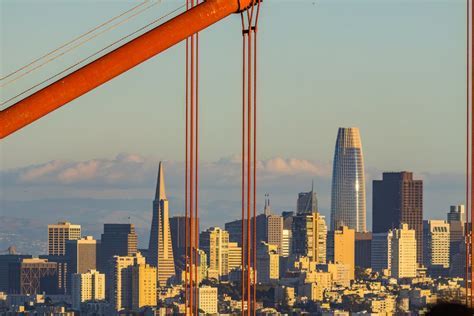
City tourism officials emphasize that iconic attractions remain world‑class—the Golden Gate Bridge, Alcatraz tours, and vibrant neighborhoods still draw keen interest. However, the cost equation has shifted, prompting would‑be leisure tourists to seek better value in nearby Marin County or alternative West Coast destinations.
Las Vegas: From Glittering Oasis to Price Shock
The Las Vegas Strip—long synonymous with indulgence—has seen leisure travel slip by 6.5%–7.8%, and international arrivals drop around 9%. Canadian visitors, historically among the most frequent guests, have reduced stays by 22% to 40%. Social media highlights the culprits: $33 bagels, $26 bottles of water, and resort fees exceeding $100 per night. As one resort general manager concedes, “People want to feel they’re getting value for their money, and right now, they don’t.”
Yet Vegas isn’t capitulating. Hoteliers are experimenting with tiered pricing, mid‑week package deals, and loyalty program enhancements. Entertainment producers are locking in headliner residencies that promise guaranteed attendance, while convention organizers tout post‑pandemic demand for trade shows as a path to offset leisure declines.
New York City’s Waning Global Spotlight
New York City, America’s perennial stage, is projecting a 17% drop—roughly 3.5 million fewer international visitors in 2025. Prestigious institutions bear the brunt: the Metropolitan Opera reports a fall in foreign ticket holders from 20% to 11%, and Broadway theaters note lighter European and Asian audiences. The city estimates nearly $4 billion in lost tourism spending this year.
Officials have unveiled aggressive marketing initiatives, partnering with flag carriers to offer joint flight‑plus‑hotel discounts, and launching “Rediscover NYC” campaigns in Canadian media. Cultural festivals, from jazz events in Harlem to pop‑up art exhibitions in Brooklyn, aim to recapture attention and reposition the city as an affordable, dynamic destination.
California’s Double‑Edged Sword: Natural Wonders and Natural Disasters
California’s statewide international tourism has slumped by 9.2%, with Los Angeles forecasts suggesting a 25%–30% decline in foreign visitors. The culprit: a potent mix of wildfire smoke, which tarnishes the allure of coastal vistas, and relentlessly rising lodging costs, where average nightly rates now exceed $280 in prime districts.
Local CVBs (Convention and Visitors Bureaus) are banking on the 2026 FIFA World Cup, major tech conferences, and the rebuilt LA waterfront to reinvigorate inbound demand. Meanwhile, smaller communities such as Santa Barbara and Napa Valley promote “slow tourism” packages, offering wineries and seaside retreats at more moderate price points.
Florida’s Struggle to Recapture Canadian ‘Snowbirds’
Florida, long the winter haven for Canadian retirees, reports a 9% drop in international arrivals through mid‑2025. Fort Lauderdale alone estimates $600 million in lost spending from fewer “snowbird” home rentals and reduced property investments. Airlines have truncated Canada‑U.S. routes in response to slack demand, further deterring potential visitors.
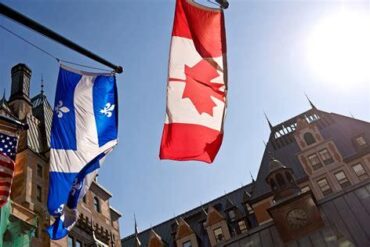
Political strains between Washington and Ottawa—ranging from tariff skirmishes to travel advisories—have dampened Canadian enthusiasm for non‑essential visits. In response, Florida tourism authorities have deployed bilingual ad campaigns emphasizing cross‑border cultural ties, and partnered with Canadian banks to offer favorable foreign‑exchange rates on travel cards.
Chicago & Boston: Mid‑Sized Cities Face Similar Headwinds
Chicago’s Loop and Magnificent Mile districts observe a perceptible drop in Canadian shoppers and leisure groups, attributing declines to visa processing delays, downtown hotel surcharges, and apprehensions about urban safety. Boston’s historic Freedom Trail and university‑town atmosphere haven’t been immune; international arrivals have softened even in peak spring months, with Canadian student‑tour groups shrinking by 15%.
Both cities are intensifying outreach to regional markets—New Englanders and Midwest U.S. travelers—to partially offset the Canadian shortfall. Special event weekends, including craft beer festivals in Chicago and heritage celebrations in Boston, seek to bolster domestic demand.
Core Drivers: Politics, Prices, and Perception
Three intertwined factors underpin this tourism downturn:
- Geopolitical Tensions: Heightened visa scrutiny, polarizing political discourse, and trade disputes have eroded Canada’s perception of the U.S. as a welcoming destination.
- Strong U.S. Dollar & Rising Costs: Hotel rates in top-tier markets now routinely exceed $230–$300 per night, while everyday expenses—from dining to transit—have surged, widening the affordability gap for Canadian visitors.
- Perception & Media Narratives: International coverage spotlighting border issues, urban homelessness, and safety concerns fosters anxiety, prompting travelers to favor destinations perceived as simpler and more predictable, such as Europe or Mexico.
These factors have coalesced into a “perfect storm”, compelling global travelers to rethink long‑held habits and explore alternative destinations that offer perceived better value and fewer logistical hurdles.
The Economic Ripple Effect Across Sectors
The U.S. Travel Association warns that a 10% drop in Canadian travel could translate into $2.1 billion in lost spending and the elimination of 14,000 jobs in hospitality, dining, and attractions. For New York City, the Canadian shortfall compounds a broader $4 billion revenue gap, threatening to stall budget projections for cultural institutions and public transit systems.
Small businesses—tour operators, specialty retailers, and independent restaurants—are particularly vulnerable. With reduced foot traffic, several have already paused expansion plans or slashed staffing levels, highlighting the acute local impact of an international phenomenon.
City Strategies: Marketing, Events, and Incentives
In response, municipal tourism boards and private-sector partners are deploying a range of tactics:
- Targeted Marketing: Joint promotions with airlines, travel influencers, and travel trade shows in Toronto, Vancouver, and Montreal emphasize urban experiences at more competitive price points.
- Cultural Festivals & Pop‑Ups: From outdoor concerts in Central Park to immersive art installations in San Francisco’s waterfront districts, events are designed to showcase fresh attractions and generate social media buzz.
- Loyalty & Pricing Incentives: Hotel chains and airlines are offering tiered discounts, bonus points, and value‑add packages (e.g., free breakfast, waived resort fees) exclusively for Canadian travelers.
- Major‑Event Leverage: Cities are spotlighting marquee happenings—such as the 2026 FIFA World Cup, international tech summits, and film festivals—as compelling reasons to book now.
While early results show modest upticks in targeted segments, industry leaders caution that rebuilding full confidence likely requires sustained coordination across government policy, private investment, and community engagement.
A Roadmap to Recovery: 2028–2029 and Beyond
Many analysts project a full restoration of pre‑pandemic international tourism levels by 2028 or 2029. Achieving that benchmark hinges on three pillars:
- Competitive Pricing: Aligning room rates and ancillary fees with perceived value, especially during off‑peak periods.
- Seamless Travel: Streamlining visa processes, border clearance, and digital documentation to minimize traveler friction.
- Authentic Welcome: Cultivating a genuine spirit of hospitality—through staff training, community outreach, and positive media narratives—that reassures visitors they are valued guests.
In the words of one Las Vegas hotel manager, “People want to feel good about where they spend their money. Right now, that’s not always the United States.” Ensuring that message changes will require more than clever slogans—it demands concerted action to restore trust, reduce complexity, and deliver exceptional experiences.
Conclusion: America’s Enduring Allure Remains—If Visitors Return
Despite the current slump, the fundamental appeal of America’s great cities endures: the Golden Gate Bridge still towers through the fog, Broadway lights still beckon with new productions, and the Florida coast still glistens under summer skies. Yet the question for tourism leaders is not whether the United States is worth visiting, but whether it feels accessible, affordable, and genuinely welcoming.
For New York City, San Francisco, Las Vegas, Los Angeles, Chicago, and Boston, the path ahead involves more than marketing budgets—it requires rethinking cost structures, refining traveler experiences, and rebuilding international goodwill. If they succeed, America’s urban tourism renaissance may well arrive sooner than expected. Until then, the once‑bustling hotel lobbies await the return of global guests to reclaim their seats.